Categories
HVAC System HVAC Maintenance and Repair

DIY HVAC Maintenance Tips for Ashland Homeowners | Keep Your System Running Smoothly

DIY HVAC Maintenance Tips for Homeowners

Introduction

Your HVAC system works hard year‑round to keep your home comfortable. A little preventive care goes a long way toward keeping it running efficiently and avoiding expensive breakdowns. While some maintenance tasks should always be performed by certified technicians, there are many simple things homeowners can do to care for their system between professional tune‑ups. This guide outlines safe, effective DIY maintenance tasks tailored to the Ashland, Kentucky climate.

Replace or Clean Air Filters

Air filters are the first line of defense against dust, pollen and debris. A dirty filter restricts airflow, causing your system to work harder and raising energy costs. Energy.gov notes that replacing or cleaning a clogged filter can lower your air conditioner’s energy consumption by 5%–15%.

How to change a filter:

  1. Turn off power to your HVAC system at the thermostat or breaker.

  2. Locate the filter compartment. It’s often inside the return air vent, at the air handler or in the furnace cabinet.

  3. Remove the old filter. Note the arrow indicating airflow direction.

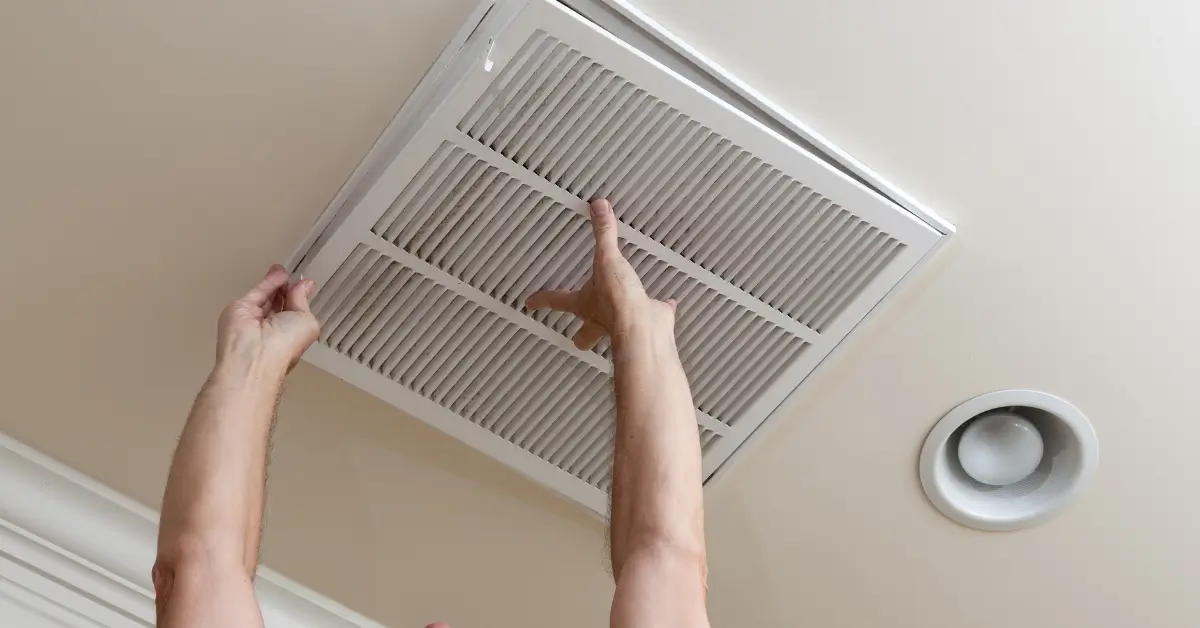
  4. Insert a new filter of the same size with the arrow pointing in the correct direction.

  5. Secure the cover and restore power.

Change filters every one to three months, or more often if you have pets, allergies or live in a dusty environment. Consider high‑efficiency pleated filters with a MERV rating appropriate for your system.

Clean and Inspect the Outdoor Unit

Your outdoor condensing unit (for air conditioners and heat pumps) needs proper airflow to expel heat. During spring and summer, check it monthly:

  • Remove debris – Clear leaves, grass clippings and twigs from around the unit. Maintain at least two feet of clearance on all sides.

  • Clean the fins – Turn off power at the disconnect switch. Using a garden hose with moderate pressure, gently rinse the fins from the inside out to remove dirt and dust. Avoid bending the delicate fins; a fin comb can be used to straighten them if necessary. Professional technicians can perform deeper coil cleaning.

  • Level the unit – Check that the concrete pad remains level. Uneven ground can cause stress on refrigerant lines and electrical connections.

Check the Condensate Drain

Air conditioners and high‑efficiency furnaces remove moisture from the air. This moisture drains through a condensate line. Over time, algae and debris can clog the line, causing water to back up and leak into your home.

To prevent clogs:

  1. Locate the condensate drain line—usually a PVC pipe near the indoor unit.

  2. Turn off the system.

  3. Attach a wet/dry vacuum to the drain line’s end and run it for a few minutes to clear clogs.

  4. Alternatively, pour a cup of distilled vinegar or a specialized condensate pan treatment into the drain line to inhibit algae growth.

If you notice standing water around your indoor unit or see the float switch shutting off your system repeatedly, call a professional to inspect the line and drain pan.

Inspect Registers and Vents

A person’s hand adjusts the lever on a beige floor air vent cover set into a light wood floor.

Walk through your home and check that supply registers and return vents are open and unobstructed. Move furniture, rugs or curtains blocking airflow. Remove vent covers and use a vacuum with a brush attachment to remove dust and debris. Cleaning registers improves airflow balance and indoor air quality.

Test the Thermostat

Ensure your thermostat is functioning properly:

  • Replace batteries once a year (if it’s battery powered).

  • Compare the thermostat reading with a separate indoor thermometer. If there’s a significant difference, your thermostat may need recalibration or replacement.

  • Test heating and cooling modes at the beginning of each season to verify that the system responds correctly.

  • If you have a programmable or smart thermostat, review schedules and update them as your routine changes. Proper programming can save about $180 per year.

A man wearing a mustard-colored shirt adjusts a modern smart thermostat mounted on a wall, with framed pictures hanging in the background.

Listen and Observe

Use your senses to catch problems early:

  • Listen for unusual noises like rattling, hissing or squealing. These sounds may indicate loose components, refrigerant leaks or motor issues.

  • Smell for musty odors, burning smells or gas odors. Musty smells could suggest mold in the system; burning odors may signal overheating components. Gas smells require immediate professional attention.

  • Look for water leaks around the indoor unit, ice on refrigerant lines or unusual amounts of condensation. These issues merit a professional inspection.

Keep a maintenance log to note any changes, and share it with your technician during service visits.

What Not to Do

Safety should be your top priority. Avoid these tasks unless you are trained and certified:

  • Handling refrigerant – Refrigerant lines are under high pressure. Only EPA‑certified technicians should test or recharge your system.

  • Opening electrical panels or replacing capacitors – HVAC systems contain high‑voltage components. Touching the wrong part can result in electric shock.

  • Adjusting gas components or burners – Improper adjustments can lead to carbon monoxide leaks or fires.

  • Taking apart sealed components – Many parts are sealed by the manufacturer. Breaking these seals can void warranties.

Attempting these tasks yourself can damage equipment, void warranties and jeopardize safety. When in doubt, call a professional.

When to Call a Professional

Regular professional maintenance complements your DIY efforts. Certified technicians perform tasks that require specialized tools and knowledge, such as:

  • Checking refrigerant levels and testing for leak.

  • Measuring electrical voltage and current, tightening connections and lubricating moving parts.

  • Calibrating thermostats, cleaning blower assemblies and verifying safe operation.

  • Inspecting heat exchangers, burners and flues for cracks and corrosion.

  • Performing Manual J load calculations for equipment sizing.

Schedule professional tune‑ups twice a year: once in spring for cooling and once in fall for heating. In between visits, practice the DIY tasks outlined here to keep your system in top shape. Always call a professional if you suspect a serious problem or are uncomfortable performing a task.

Conclusion

Taking care of your HVAC system doesn’t have to be complicated. Simple tasks like changing filters, cleaning outdoor units, clearing condensate drains and checking thermostats can improve efficiency and prevent breakdowns. By being attentive to how your system sounds and feels, you can catch small issues before they become big problems. However, some maintenance should always be left to the pros—especially anything involving refrigerant, gas lines or high‑voltage components.

In Ashland and the tri‑state area, Extreme HVAC offers affordable maintenance plans that pair your DIY efforts with professional expertise. Our technicians will perform comprehensive tune‑ups, ensuring your system operates safely and efficiently year‑round. Contact us today to schedule your next service or learn more about our membership plans that include priority scheduling and discounts on repairs.

Categories
Uncategorized

SEER and SEER2 Explained: Choosing Energy‑Efficient HVAC | Ashland, KY Guide

Understanding SEER Ratings and Energy Efficiency

Introduction

When you shop for a new air conditioner or heat pump, you’re likely to encounter the term “SEER” on product labels and marketing materials. SEER stands for Seasonal Energy Efficiency Ratio, and it’s a key indicator of how efficiently a cooling system operates. Understanding SEER ratings helps you compare equipment, estimate operating costs and make informed decisions about energy efficiency.

In January 2023, the U.S. Department of Energy introduced SEER2, a new standard that reflects more realistic testing conditions. With these changes, many homeowners are left wondering what SEER and SEER2 mean, how they differ and how to choose the right efficiency level. This article demystifies these terms, explains how efficiency impacts your energy bills and offers guidance tailored to Ashland, Kentucky’s climate.

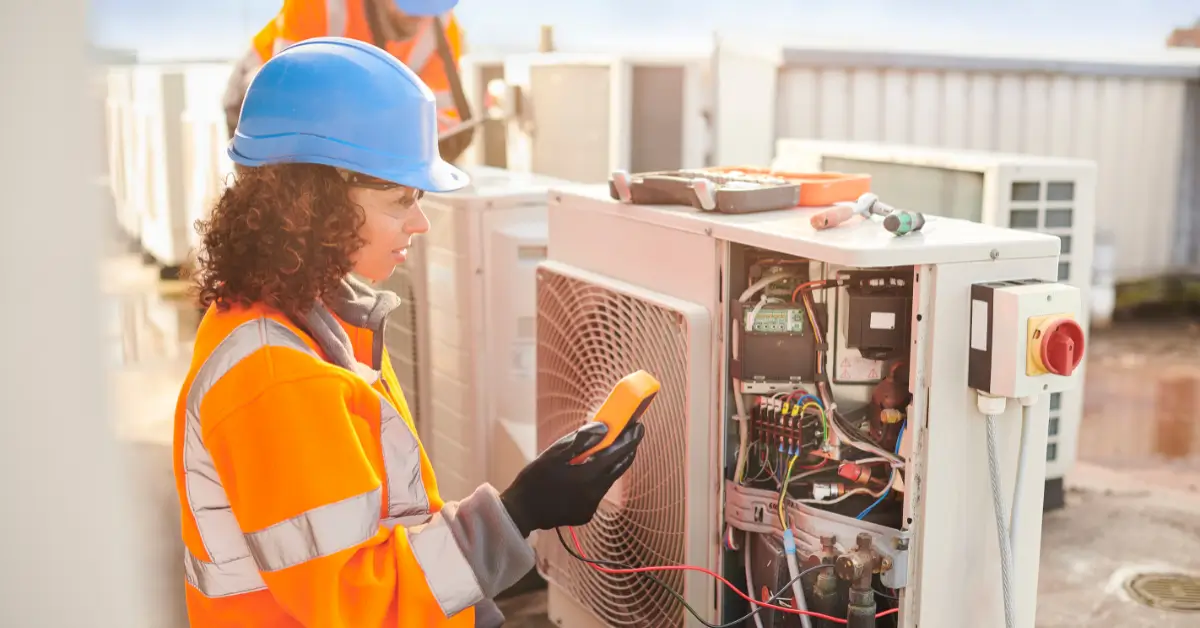
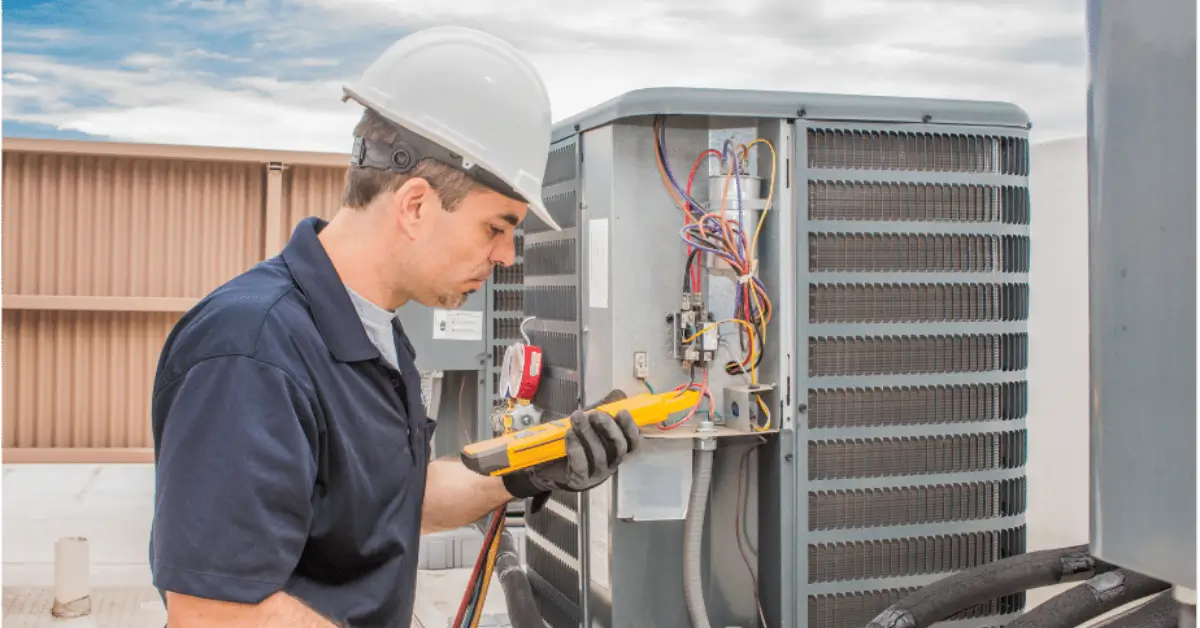
An HVAC technician wearing a hard hat, safety glasses, and gloves works on an outdoor air conditioning unit, using electrical testing tools and gauges to check the system’s performance. Several other similar units are visible in the background on a rooftop.

How SEER Is Calculated

SEER measures how efficiently an air conditioner or heat pump cools your home over an entire cooling season. It’s calculated by dividing the system’s total cooling output (in British thermal units or BTUs) by the total electrical energy it uses (in watt‑hours) during a standardized test. In simple terms, SEER represents the cooling “miles per gallon” of your HVAC system—the higher the SEER, the more cooling you get per unit of energy consumed.

For example, if two air conditioners both provide 48,000 BTUs of cooling over a season, but one uses 4,000 kilowatt‑hours (kWh) of electricity and the other uses 3,000 kWh, the latter has a higher SEER and will cost less to operate. SEER is an average; efficiency can vary with outdoor temperature and humidity, but it provides a useful baseline for comparing equipment.

SEER vs SEER2

Starting in 2023, HVAC manufacturers must use SEER2 ratings to comply with updated Department of Energy regulations. SEER2 uses the same basic formula but tests equipment under higher external static pressure to better simulate real‑world conditions. As a result, SEER2 ratings are roughly 4–5% lower than traditional SEER numbers. For instance, a unit rated at 16 SEER may be rated around 15.2 SEER2.

Why the change? The new standard accounts for the fact that ductwork and filters add resistance to airflow. By testing under higher pressure, SEER2 ratings reflect how systems perform in typical homes rather than ideal laboratory settings. When comparing units, be sure to note whether the rating is SEER or SEER2—otherwise, you may inadvertently compare apples to oranges.

Other Efficiency Metrics: HSPF and AFUE

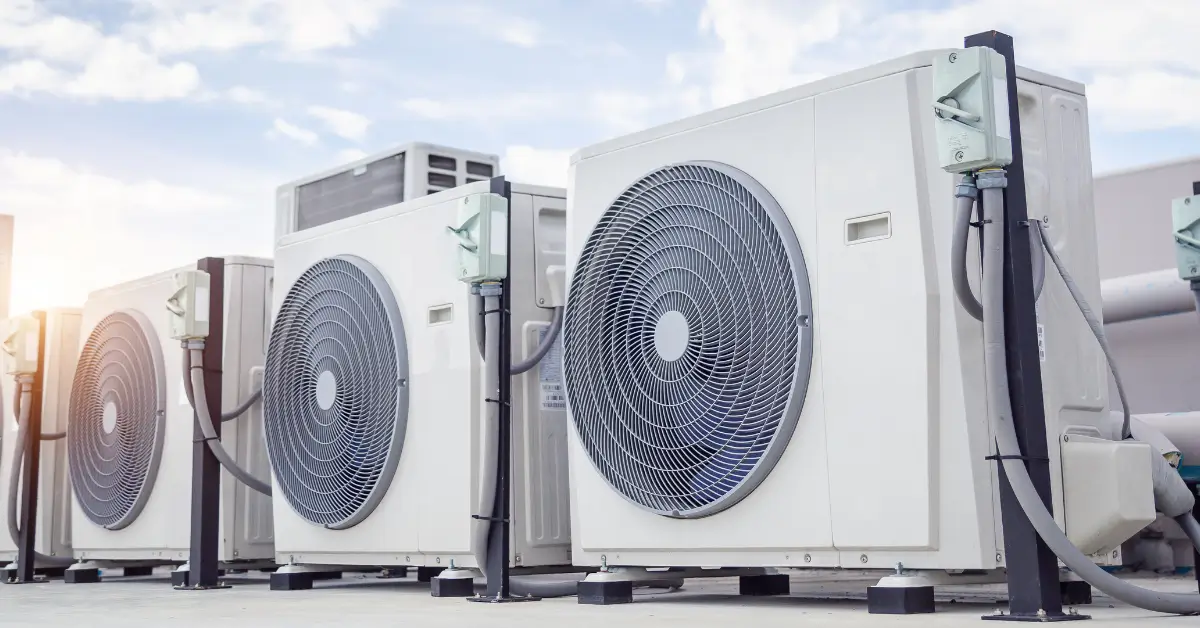
A row of large outdoor HVAC units with prominent circular fans is mounted on a rooftop, connected by electrical conduits and supported by metal stands, with a bright sky in the background.

SEER only measures cooling efficiency. For heat pumps, the Heating Seasonal Performance Factor (HSPF) evaluates heating efficiency. Like SEER, HSPF divides the heat output by the electricity consumed. Modern heat pumps achieve HSPF ratings of 9–12; higher numbers mean more efficient heating.

For gas or oil furnaces, efficiency is expressed as Annual Fuel Utilization Efficiency (AFUE). AFUE represents the percentage of fuel converted into usable heat over a season. A furnace with a 90% AFUE converts 90% of its fuel into heat, with the rest lost through exhaust gases or the venting system. Some modern condensing furnaces reach AFUE ratings of 97% or higher.

Understanding these metrics helps you compare different types of equipment. In Ashland’s climate, where both heating and cooling are important, you might compare an air conditioner’s SEER with a furnace’s AFUE or evaluate a heat pump’s combined SEER and HSPF.

Evaluating Cost vs Savings

Higher SEER equipment typically costs more upfront but pays off over time through lower energy bills. American Standard notes that moving from a 10‑SEER unit to a 20‑SEER unit can reduce cooling costs by 20–40%. To estimate your potential savings:

  1. Determine your current system’s SEER (check the manufacturer’s plate or model number).

  2. Find your annual cooling energy use from utility bills. For example, if you use 4,000 kWh each summer at $0.12 per kWh, your cooling costs are $480.

  3. Multiply your current energy use by the ratio of current SEER to new SEER. If your old unit is 10 SEER and the new one is 16 SEER, you’ll use about 10/16 as much energy—roughly 2,500 kWh instead of 4,000 kWh. At $0.12 per kWh, that’s $300, saving $180 annually. Over a 15‑year lifespan, those savings add up.

It’s important to factor in financing, maintenance and possible utility rate changes. Nonetheless, higher efficiency often pays for itself, especially if your existing equipment is old or undersized.

Choosing the Right SEER for Ashland’s Climate

Minimum efficiency standards vary by region. In Kentucky (DOE’s Southeast region), the minimum air conditioner efficiency for newly installed equipment is currently 14.3 SEER2 (equivalent to about 15 SEER). Heat pumps must meet 14.3 SEER2 and 7.5 HSPF2. While you can choose units with SEER ratings well above the minimum, you may reach diminishing returns at very high SEER levels, particularly if your home has older ductwork or insulation.

Consider the following when selecting a SEER rating:

  • Climate – In hotter climates with long cooling seasons, higher SEER provides more savings. Ashland’s summers are humid and hot for several months, making efficiency important.

  • Usage patterns – If you run your AC frequently or for long periods, a higher SEER can pay back quickly. For vacation homes used occasionally, the payback may be longer.

  • Upfront cost vs long‑term savings – Evaluate the difference in price between a 15‑SEER unit and an 18‑SEER unit against your estimated savings. Sometimes a mid‑range SEER offers a better return on investment.

  • Available incentives – Federal tax credits and utility rebates may require a minimum SEER or SEER2 rating. Taking advantage of rebates can make higher‑efficiency units more affordable.

Importance of Professional Installation

Efficiency ratings assume the system is properly installed and maintained. ENERGY STAR warns that improper installation can reduce system efficiency by up to 30%. Oversized units short cycle, while undersized units run constantly and wear out prematurely. Duct leaks, incorrect refrigerant charge and poor airflow can negate the benefits of a high‑SEER unit. Always work with a qualified contractor who performs Manual J calculations, seals ducts, verifies airflow and follows manufacturer guidelines.

Conclusion

Understanding SEER ratings empowers you to make smart choices when upgrading or replacing HVAC equipment. SEER measures cooling efficiency, while SEER2 provides a more realistic standard that accounts for airflow restrictions. Higher SEER units reduce energy use and costs—potentially saving 20–40% on cooling bills—but proper sizing and installation are essential to reap those benefits.

If you’re considering a new air conditioner or heat pump in Ashland, consult the experts at Extreme HVAC. We’ll explain SEER and SEER2 ratings, calculate your home’s cooling and heating loads and recommend equipment that balances efficiency and affordability. With professional installation and ongoing maintenance, you can enjoy comfortable temperatures and lower utility bills for years to come.

Categories
HVAC System HVAC Maintenance and Repair

Energy‑Efficient HVAC Upgrades in Ashland, KY | Save Money & Stay Comfortable

Upgrading to an Energy‑Efficient HVAC System

Introduction

Heating and cooling your home accounts for roughly half of your energy use. An outdated HVAC system not only struggles to keep up with temperature extremes but also wastes energy and money. If your furnace, heat pump or air conditioner is more than 10–15 years old, upgrading to a modern, energy‑efficient system can provide significant benefits: lower utility bills, improved comfort, quieter operation and a smaller carbon footprint.

In the Ashland, Kentucky area—where humid summers demand strong cooling and winters require reliable heating—choosing the right equipment is essential. This guide explores the options for energy‑efficient upgrades, explains why proper sizing and installation matter and outlines incentives available to help offset costs.

A man and two children sit on the floor smiling and laughing together while petting a relaxed golden retriever. The man is holding an open book, and they are sitting next to a cushioned window seat with floral pillows in a bright, cozy room.

Why Upgrade? Signs It’s Time

You might be due for an upgrade if:

  • Your system is over 10–15 years old. Older equipment typically has lower efficiency and may use obsolete refrigerants. Cooling units installed before 2010 may use R‑22, which is being phased out for environmental reasons.

  • Energy bills are rising despite regular maintenance. Efficiency declines over time as components wear and dust builds up. If your system is working harder to achieve the same comfort, replacing it can be more cost‑effective than continuing repairs.

  • Repairs are frequent and costly. Replacing major components like compressors or heat exchangers can approach the cost of a new system.

  • Home comfort is uneven. Inadequate cooling, heating or humidity control can indicate that the system is improperly sized or worn out. Newer systems offer better humidity control and variable speeds.

  • The system is noisy or runs constantly. Advances in technology have made modern equipment quieter and smarter, reducing unnecessary run time and improving comfort.

Types of Energy‑Efficient HVAC Systems

There are several ways to upgrade your home’s heating and cooling. The best choice depends on your fuel sources, budget and comfort preferences.

High‑SEER Air Conditioners and Heat Pumps

SEER (Seasonal Energy Efficiency Ratio) measures cooling efficiency. Older air conditioners may have SEER ratings as low as 10. Newer high‑SEER models can achieve ratings of 16–25 or more. American Standard estimates that upgrading from a 10‑SEER unit to a 20‑SEER unit can reduce cooling costs by 20–40%. Heat pumps with high SEER and HSPF ratings provide both heating and cooling with exceptional efficiency. Because heat pumps transfer heat rather than generate it, they can deliver up to three times more heat energy than the electricity they consume.

Variable‑Speed and Two‑Stage Furnaces

While furnaces are rated by AFUE (Annual Fuel Utilization Efficiency), modern models also feature variable‑speed blowers and two‑stage burners. Variable‑speed blowers adjust airflow gradually, improving comfort and energy efficiency. Two‑stage burners operate at low fire during mild weather and high fire when it’s cold, reducing energy use and extending equipment life.

Dual‑Fuel or Hybrid Systems

Dual‑fuel systems pair an electric heat pump with a gas furnace. The heat pump handles heating and cooling during moderate temperatures, while the gas furnace takes over during extreme cold. This combination maximizes efficiency and ensures comfort regardless of outdoor conditions.

Geothermal Heat Pumps

Geothermal systems use the stable temperature of the earth or groundwater to heat and cool your home. They have the highest efficiency ratings but require significant upfront investment for drilling or trenching. In the long run, they offer low operating costs and long lifespans.

Sizing, SEER/HSPF and Installation

No matter how efficient an HVAC unit is on paper, it will underperform if it’s not sized and installed correctly. ENERGY STAR emphasizes that contractors should perform Manual J calculations to determine the right size. Oversized systems short cycle, leading to humidity problems and premature wear. Undersized systems run constantly without meeting temperature setpoints.

Proper installation is just as critical. ENERGY STAR warns that improper installation can reduce system efficiency by up to 30%. Tasks like correctly charging refrigerant, sealing ductwork, verifying airflow and calibrating controls ensure your new system delivers the promised efficiency. Look for contractors who are NATE (North American Technician Excellence) certified and follow manufacturer guidelines.

Benefits of Energy‑Efficient Upgrades

Investing in modern HVAC equipment offers multiple benefits:

  1. Lower utility bills – High‑efficiency equipment consumes less energy. For example, high‑SEER air conditioners can cut cooling costs by 20–40%, and heat pumps reduce heating costs by delivering more heat energy than they consume.

  2. Improved comfort – Variable‑speed blowers and multi‑stage compressors provide even temperatures, better humidity control and quieter operation.

  3. Reduced environmental impact – Using less energy means lower greenhouse gas emissions. Some systems use refrigerants with low global warming potential (GWP).

  4. Enhanced indoor air quality – Newer systems often integrate advanced filtration and ventilation options.

  5. Longer lifespans and warranties – Modern equipment is built with durable components and often comes with extended warranties.

Costs and Incentives

High‑efficiency systems have higher upfront costs than their standard counterparts. However, long‑term energy savings and incentives can offset these costs. The Inflation Reduction Act and federal tax credits offer significant rebates for qualifying heat pumps, furnaces and air conditioners. State and local utilities in Kentucky, Ohio and West Virginia may also provide rebates or low‑interest financing for Energy Star equipment. Additionally, upgrading your system may increase your property value and provide peace of mind.

When budgeting, consider the life‑cycle cost: the purchase price plus operating and maintenance costs over 15–20 years. In many cases, the efficiency gains pay for the difference within a few years, especially if your current system is older or inefficient.

Local Climate Considerations

Ashland’s climate features humid summers, cold winters and quick temperature swings. Because humidity control is critical, consider systems with variable speed compressors and high dehumidification capacity. For heating, cold‑climate heat pumps or dual‑fuel systems offer efficient performance even when temperatures dip below freezing. Local electricity and gas rates also influence your choice; electricity costs in the tri‑state area can be lower than in some parts of the country, making heat pumps more attractive.

Choosing the Right Contractor

An HVAC technician wearing a hard hat, safety glasses, and gloves works on an outdoor air conditioning unit, using electrical testing tools and gauges to check the system’s performance. Several other similar units are visible in the background on a rooftop.

Upgrading your HVAC system isn’t a DIY project. Selecting the right contractor can make the difference between a trouble‑free installation and years of headaches. A qualified contractor will:

  1. Perform load calculations – Use Manual J to determine the correct size for your home.

  2. Provide detailed proposals – Include efficiency ratings, equipment options, warranty terms and installation procedures.

  3. Explain incentives and financing – Help you take advantage of available rebates and payment plans.

  4. Offer ongoing maintenance – Protect your investment with regular tune‑ups and priority service.

Extreme HVAC has been serving Ashland and the tri‑state area for years. Our team is trained on the latest high‑efficiency technologies, and we pride ourselves on meticulous installations that maximize performance. We’ll walk you through equipment options, calculate your home’s load and handle all permits and paperwork.

Conclusion

Upgrading to an energy‑efficient HVAC system is one of the smartest ways to lower your utility bills, reduce environmental impact and enhance comfort. Whether you choose a high‑SEER air conditioner, a variable‑speed furnace, a dual‑fuel system or a heat pump, proper sizing and professional installation are key. With modern technology, you can enjoy reliable heating and cooling while saving 20–40% on energy costs and contributing to a greener future.

If you’re ready to explore your options, contact Extreme HVAC. We’ll perform a free consultation, evaluate your current system and recommend upgrades tailored to your home, budget and comfort goals. With our expertise and commitment to customer satisfaction, you’ll get the most out of your investment and enjoy dependable comfort for years to come.

Categories
Electrical

HVAC Electrical Safety Tips | Protect Your Ashland Home from Electrical Hazards

Why Electrical Safety Matters for HVAC Systems

Introduction

Behind the comfortable temperatures your HVAC system delivers are complex electrical components. Furnaces, air conditioners, heat pumps and thermostats all rely on electricity to power motors, compressors, fans and control circuits. As such, electrical safety isn’t just about preventing shocks or protecting outlets—it’s also about ensuring your heating and cooling equipment operates reliably and safely.

Unfortunately, electrical hazards cause thousands of fires every year. Service Champions cites that approximately 51,000 home electrical fires occur annually, causing hundreds of deaths and millions of dollars in property damaget. Many of these incidents stem from overloaded circuits, damaged wiring or improper use of appliances. When HVAC equipment is involved, the stakes are even higher because these systems draw significant current and operate unattended for long periods.

Understanding Electrical Components in HVAC Systems

A female HVAC technician wearing a blue hard hat and orange high-visibility jacket using a handheld meter to test the wiring inside an open outdoor air conditioning unit on a rooftop.

To appreciate why electrical safety matters, it helps to understand the key electrical components inside your HVAC equipment:

  • Blower and condenser fan motors – These motors move air across the evaporator and condenser coils. They draw a lot of current, especially when starting up, and rely on capacitors to supply a voltage boost. A failing motor can overheat, trip breakers or create a fire risk.

  • Compressor – In air conditioners and heat pumps, the compressor circulates refrigerant under high pressure. It is one of the most electrically demanding components and typically uses a start capacitor and a contactor (a type of switch) to engage.

  • Control board and relays – Modern furnaces and air handlers use electronic control boards to manage blower speeds, ignition sequences and safety sensors. Short circuits or water intrusion can damage boards and create erratic behavior.

  • Thermostat wiring – Low‑voltage wires connect your thermostat to the HVAC control board, telling the system when to turn on or off. Damaged or frayed thermostat wires can cause short cycling or failure to start.

  • Electrical service disconnect – Every HVAC unit should have a nearby disconnect switch to cut power for servicing. Improper use or a faulty disconnect box can pose shock risks.

These components must be properly sized, installed and maintained to prevent overheating, arcing and fires.

Common Electrical Hazards

The National Fire Protection Association identifies several electrical hazards that can affect HVAC systems and other appliances. Recognizing them helps you take preventive action:

  1. Frayed or damaged cords – Over time, flexible cables can crack or split, exposing live wires. Children and pets may chew on cords, increasing the risk of shock or fire. Service Champions recommends inspecting cords regularly and replacing them immediately if damaged.

  2. Overloaded circuits – Plugging too many high‑draw devices into the same circuit can overheat wiring and cause breaker trips or fires. Air conditioners and heat pumps should have dedicated circuits sized for their current draw.

  3. Loose electrical connections – Vibration and thermal expansion can loosen connections over time. Loose terminals create resistance and heat buildup. Tightening connections is part of professional maintenance.

  4. Power surges – Lightning strikes and utility switching can send voltage spikes through your home. Sensitive control boards and compressors can be damaged by surges, leading to expensive repairs.

  5. Old or inadequate wiring – Homes built decades ago may have wiring that cannot handle modern electrical loads. Knob‑and‑tube or aluminum wiring poses particular risks and should be evaluated by an electrician.

Safety Tips for Homeowners

Protecting your home from electrical hazards involves adopting safe habits and installing appropriate devices. Here are key recommendations:

  1. Install and test smoke and carbon monoxide alarms – Alarms save lives by detecting fires and CO leaks early. Service Champions notes that around 65% of home fire deaths occur in homes without working smoke alarms. Test alarms monthly and replace batteries twice a year.

  2. Use ground‑fault circuit interrupter (GFCI) outlets – GFCIs shut off power if they detect a current leak, preventing shocks. They’re required in kitchens, bathrooms, basements and outdoor locations.

  3. Avoid extension cords for permanent connections – Extension cords are meant for temporary use. Running an air conditioner or space heater on an extension cord can overheat and cause a fire. Instead, install additional outlets or upgrade wiring.

  4. Don’t overload power strips – Plugging multiple high‑wattage devices into a single strip can exceed its rating. Spread appliances across different circuits.

  5. Childproof outlets and cords – Use outlet covers and cord shorteners to keep curious kids from inserting objects or pulling on cables.

  6. Schedule electrical inspections – Have a licensed electrician inspect your home every few years, especially if it’s more than 40 years old. They will identify outdated wiring, overloaded circuits and missing safety devices.

Space Heater and Appliance Safety

A white portable electric space heater with two glowing heating elements, placed on a tiled floor and turned on, emitting a warm orange light.

Portable space heaters are a convenient way to warm cold spots, but they can be dangerous if misused. Service Champions warns that space heaters cause over 1,700 fires each year. To use them safely:

  • Keep heaters at least three feet away from anything flammable—curtains, bedding, furniture and rugs.

  • Always plug heaters directly into a wall outlet. Extension cords and power strips are not designed for high current draw and can overheat.

  • Never leave a space heater unattended or running while you sleep.

  • Choose models with tip‑over protection and automatic shutoff features.

Apply similar caution to other plug‑in appliances like dehumidifiers, air purifiers and humidifiers. Regularly inspect cords, clean filters and follow manufacturer guidelines.

Surge Protection and Storm Preparedness

Power surges can destroy sensitive HVAC electronics. Installing point‑of‑use surge protectors or a whole‑house surge suppressor helps shield your equipment. Whole‑house suppressors are installed at the service panel and absorb large voltage spikes before they reach appliances. During severe storms, consider shutting off your HVAC system at the disconnect to prevent damage.

If your home loses power frequently, a standby generator can keep your HVAC system running. However, generators must be installed with proper transfer switches to prevent backfeeding electricity into utility lines. Consult a licensed electrician for safe installation.

Importance of Professional Electrical and HVAC Maintenance

Electrical safety isn’t a one‑time project; it’s an ongoing practice. Having your HVAC system professionally maintained ensures that electrical connections are tight, motors are lubricated, and components operate within safe parameters. Licensed electricians can identify wiring issues, install dedicated circuits for new HVAC equipment and upgrade your service panel if needed. They can also evaluate whether your home’s grounding and bonding systems meet current codes.

Attempting DIY electrical work on HVAC equipment can be dangerous and may void warranties. Refrigerant lines, high‑voltage capacitors and complex control circuits require specialized training and tools. Investing in professional maintenance protects your home, your family and your HVAC investment.

Conclusion

Electrical safety is a critical but often overlooked part of HVAC ownership. From the high‑powered compressors that cool your home to the thermostats that control your system, electricity is woven into every component. Understanding the risks—such as frayed cords, overloaded circuits and power surges—and adopting safe practices help prevent fires and equipment failures. With proper precautions and professional maintenance, you can enjoy the comfort of your HVAC system without worrying about electrical hazards.

If you’re in Ashland, Kentucky or the neighboring Ohio and West Virginia areas, Extreme HVAC offers comprehensive electrical and HVAC services. Our licensed electricians can inspect your wiring, install surge protection and ensure your HVAC system operates safely. Our technicians are available 24/7 for emergencies. Contact us today to schedule an inspection or learn more about our electrical safety solutions.

Categories
HVAC System HVAC Maintenance and Repair

Seasonal HVAC Tips: Prepare Your System for Summer & Winter | Ashland, KY

Seasonal HVAC Tips: Preparing for Summer and Winter

Introduction

In Ashland and the surrounding tri‑state area, spring showers quickly give way to summer heat waves, while crisp autumn days transition into freezing winter nights. These rapid changes mean your HVAC system must pivot quickly from cooling to heating and back again. Seasonal maintenance ensures your system is ready for whatever Mother Nature delivers. Investing a little time and attention now can prevent uncomfortable breakdowns and high energy bills later.

This guide offers comprehensive seasonal tips to keep your HVAC system running smoothly year‑round. While many tasks are simple enough for homeowners, others require professional expertise to maintain safety and efficiency. We’ll highlight where you can DIY and where it’s wise to call in the pros.

Preparing for Summer

Summer in Ashland is hot and humid. Air conditioners and heat pumps work overtime to remove heat and moisture, which puts stress on compressors, coils and electrical components. Here’s how to prepare your cooling system:

Replace or Clean Air Filters

A man reaching up to remove or replace a dirty air filter from a ceiling-mounted HVAC return vent.

Clogged filters reduce airflow, making your system work harder and increasing energy use. Energy.gov notes that cleaning or replacing a clogged filter can lower your air conditioner’s energy consumption by 5%–15%. Check filters monthly during peak cooling season and change them at least every three months. If you have pets or allergies, consider high‑MERV filters but ensure your system can handle the resistance.

Clear Debris and Clean Coils

Your outdoor condensing unit needs unobstructed airflow. Leaves, grass clippings and winter debris can clog the fins and reduce heat transfer. Turn off power to the unit, remove the outer cover and gently hose off dirt and debris. Be careful not to bend the fins. A technician can deep‑clean the coils during a tune‑up. Cleaning coils improves efficiency and reduces strain on the compressor.

Check Refrigerant Levels and Inspect Lines

Low refrigerant reduces cooling capacity and can damage the compressor. A professional should check refrigerant levels, test for leaks and ensure the correct charge. They’ll also inspect refrigerant lines for insulation damage and replace it to prevent energy losses.

Test the Thermostat

Run the system through its cooling cycle to ensure the thermostat accurately controls temperature. Program setbacks to raise the temperature when you’re away and lower it before you return. Consider upgrading to a programmable or smart thermostat if you haven’t already.

Inspect Ductwork and Insulation

Leaky ducts waste conditioned air and make some rooms harder to cool. Seal visible gaps with mastic or foil tape and schedule a professional duct inspection every few years. Ensure your attic has adequate insulation to keep heat from radiating into living spaces. Adding attic ventilation or a radiant barrier can also reduce cooling demand.

Shade the Unit and Manage Airflow

Providing shade for your outdoor unit helps it run more efficiently by reducing heat around the condenser. Plant shrubs or install a shade structure, leaving at least two feet of clearance for airflow. Inside, use ceiling fans to create a gentle breeze that makes the air feel cooler, allowing you to raise the thermostat by a couple degrees without sacrificing comfort.

Preparing for Winter

Winter in the Ohio River Valley can bring frigid temperatures and icy storms. Preparing your heating equipment ensures you’ll stay cozy and safe.

A person’s hand adjusting the temperature control knob on a white radiator heater mounted against a wall.

Schedule a Furnace or Heat Pump Tune‑Up

Just like an air conditioner, a furnace or heat pump needs an annual inspection. During a tune‑up, a technician checks thermostat settings, tightens electrical connections, lubricates moving parts and inspects the condensate drain. They also examine the heat exchanger and burners for cracks or corrosion, which could allow carbon monoxide to leak into your home. Preventive maintenance improves efficiency and safety.

Inspect and Clean Components

Replace or clean filters at the start of heating season and every one to three months thereafter. A dirty filter can cause the furnace to overheat and shut down. Vacuum around the blower compartment and intake vents to remove dust.

For gas furnaces, ensure the flame sensor and pilot light (if applicable) are clean. A professional may also adjust burner combustion to maximize efficiency and reduce emissions. If you use a heat pump, ensure the outdoor unit is clear of ice and debris and that the defrost cycle operates correctly.

Check Carbon Monoxide Detectors and Smoke Alarms

Install carbon monoxide (CO) detectors on every level of your home and near sleeping areas. Test them monthly and replace batteries twice a year. CO is odorless and deadly; a malfunctioning furnace or blocked flue can release CO into your home. Also test smoke alarms and replace any units older than 10 years. According to Service Champions, there are about 51,000 home electrical fires each year in the U.S., causing deaths and injuries. Having working alarms is critical.

Seal Gaps and Insulate Pipes

Prevent cold drafts by sealing gaps around windows, doors and utility penetrations with caulk or weatherstripping. Insulate exposed water pipes in crawlspaces and attics to prevent freezing. Check that attic insulation is at least R‑38 (about 12–15 inches of fiberglass or cellulose). Add insulation around the attic access door if needed.

Prepare Auxiliary Equipment

If you use a fireplace or wood stove, have the chimney cleaned and inspected annually. Make sure dampers and flue valves operate correctly. For oil furnaces, schedule a fuel delivery and check the tank for leaks. If you have a boiler, bleed the radiators and inspect circulator pumps.

Year‑Round Tips and Preventive Maintenance

Some HVAC tasks apply in every season:

  • Change filters regularly. Dirty filters cause up to a 15% increase in energy usage and strain your system.

  • Keep vents and registers unobstructed. Move furniture, rugs and curtains to allow proper airflow.

  • Monitor humidity. Use a hygrometer to keep humidity between 30% and 50%. Install humidifiers or dehumidifiers as needed.

  • Listen and look for changes. Notice unusual noises, smells or performance drops. Early detection can prevent major repairs.

  • Plan ahead. Schedule spring and fall tune‑ups with a trusted HVAC professional. Avoid the rush by booking early and enjoy priority service.

When to Call a Professional

While many seasonal tasks are DIY‑friendly, some require specialized tools and expertise. Cleaning coils, checking refrigerant levels, adjusting burners and testing electrical components should be handled by trained technicians. Attempting these tasks yourself could cause damage or void manufacturer warranties. Improper installation or maintenance can reduce efficiency by up to 30%.

Extreme HVAC offers comprehensive seasonal maintenance plans that include thorough inspections, cleaning and adjustments. Our technicians understand the unique challenges of the Ashland climate and can recommend solutions to improve efficiency, comfort and safety. We also provide 24/7 emergency repairs if unexpected issues arise.

Conclusion

Preparing your HVAC system for summer heat and winter cold isn’t just about comfort—it’s about protecting your investment and your family’s safety. By following the seasonal tips outlined above and partnering with a trusted professional, you’ll enjoy reliable performance, lower energy bills and peace of mind all year long.
If you live in Ashland or the surrounding tri‑state area, let Extreme HVAC help you create a customized maintenance schedule. Our team will perform seasonal tune‑ups, catch small issues before they become big problems and ensure your system operates safely and efficiently. Contact us today to schedule your next service and stay comfortable no matter what the weather brings.

Categories
HVAC System HVAC Maintenance and Repair

Benefits of Programmable and Smart Thermostats | Ashland, KY HVAC Tips

Benefits of a Programmable Thermostat

Introduction

If your home still relies on a manual thermostat or an outdated mercury dial, you’re likely missing out on one of the easiest ways to save money and improve comfort. Programmable thermostats allow you to automatically adjust temperature settings based on your daily schedule, ensuring you don’t heat or cool your home when no one is there. Over time, those small adjustments add up to big savings.

In Ashland, Kentucky and the broader tri‑state area, where summers are hot and humid and winters can be surprisingly chilly, a programmable thermostat can help you achieve year‑round comfort while keeping energy bills in check. This guide explains how these devices work, highlights their benefits and helps you decide whether a programmable or smart thermostat is right for you.

How Programmable Thermostats Save Energy

Heating and cooling account for roughly half of a typical home’s energy use. That makes any efficiency gain in this area especially valuable. Programmable thermostats save energy by automatically adjusting the temperature when you’re asleep or away, then returning to a comfortable setting before you wake up or return home.

ENERGY STAR reports that homeowners can save about $180 per year by properly setting and using a programmable thermostat. The savings come from allowing the temperature to drop during winter nights or rise during summer days when the house is empty. For example:

  • In winter, lower the temperature by 7–10°F for eight hours at night or when the house is empty. Letting the temperature drop from 72°F to 65°F overnight won’t sacrifice comfort if you’re snug under blankets.

  • In summer, raise the thermostat by 7–10°F when you’re at work or away. If you typically keep the house at 72°F, letting it rise to 79°F during the day can significantly reduce cooling costs.

Because HVAC systems don’t have to work as hard to maintain a steady temperature, they run less often and use less energy. Contrary to a common misconception, allowing the temperature to fluctuate actually uses less energy than keeping it constant all day.

A smiling family, with a father holding his young son and the mother standing beside them, adjusting settings on a wall-mounted smart thermostat in their home.

Programmable vs Smart Thermostats

Programmable thermostats allow you to pre‑set temperature schedules for different times of day and days of the week. They may have 7‑day programming (different schedule each day), 5‑1‑1 (weekday/weekend) or 5‑2 (one schedule for weekdays, another for weekends). These units are affordable and effective if you have a regular schedule and are disciplined about programming them.

Smart thermostats take programmability to the next level. They connect to your Wi‑Fi network and can be controlled from a smartphone or voice assistant. Many smart thermostats learn your patterns and adjust automatically, detect occupancy via motion sensors and provide energy usage reports. ENERGY STAR’s smart thermostat FAQs estimate that smart models can save about 8% on heating and cooling bills, or roughly $50 annually. They’re particularly helpful if your schedule varies or you sometimes forget to change settings manually.

Both types deliver savings when used correctly. If you prefer straightforward settings and have a predictable schedule, a programmable thermostat may suffice. If you want remote access, voice control and adaptive learning, a smart thermostat is a worthwhile upgrade.

Scheduling Tips for Ashland’s Climate

To maximize savings and comfort, set your thermostat to match the rhythm of your household. The Department of Energy recommends keeping the difference between your desired temperature and the setback temperature as small as possible while still being comfortable. Here are general guidelines tailored to our climate:

Summer Schedule Example

  • 6:00 a.m.–8:00 a.m.: Set to 72°F as you wake up and prepare for the day.

  • 8:00 a.m.–5:00 p.m.: Raise the temperature to 78–80°F while the house is empty. This reduces AC run time and humidity control needs.

  • 5:00 p.m.–10:00 p.m.: Lower to 73°F to maintain comfort while you cook dinner and relax.

  • 10:00 p.m.–6:00 a.m.: Raise back to 78°F or turn on ceiling fans to keep cool while you sleep.

Winter Schedule Example

  • 6:00 a.m.–8:00 a.m.: Set to 70°F so your home is cozy when you wake.

  • 8:00 a.m.–5:00 p.m.: Lower to 62–65°F while you’re at work or running errands. Use blankets or a space heater in occupied rooms if someone stays home.

  • 5:00 p.m.–10:00 p.m.: Raise to 70°F for evening activities.

  • 10:00 p.m.–6:00 a.m.: Lower to 62°F for sleeping. Cooler temperatures improve sleep quality and save on heating costs.

Remember that these are general guidelines. Adjust them based on your family’s schedule, health needs and comfort preferences. If your home has heat pumps, avoid large temperature swings that can trigger inefficient auxiliary heat strips. Instead, program smaller setbacks of 2–4°F.

Additional Benefits: Comfort and Convenience

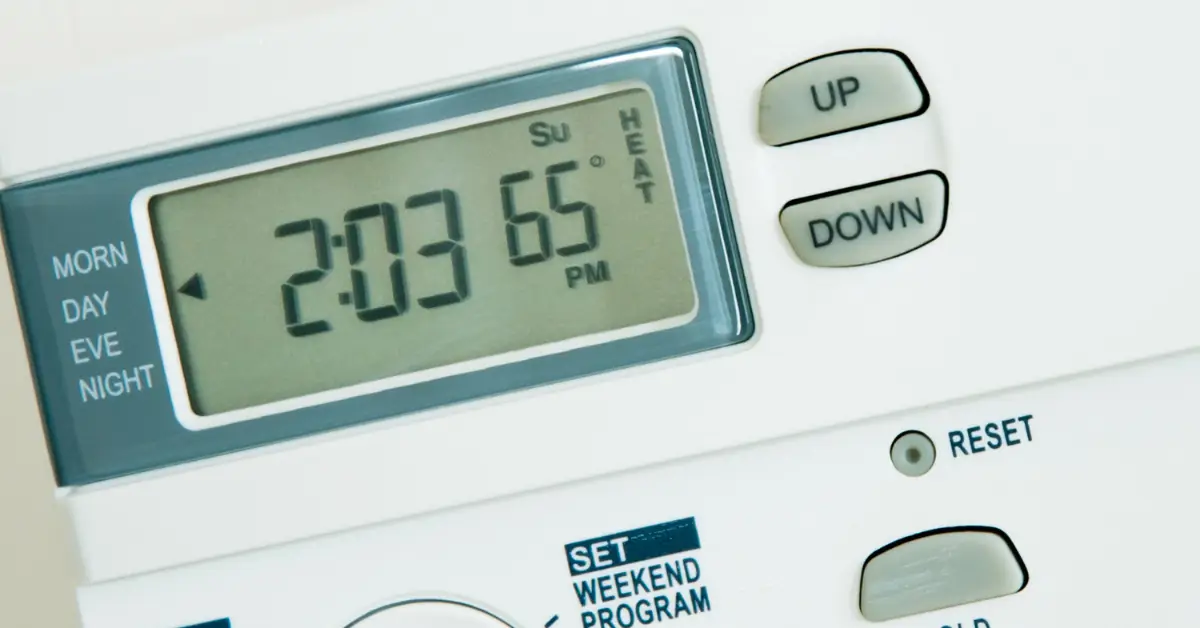
A close-up of a programmable digital thermostat displaying the time as 2:03 PM, the temperature set to 65°F, and the mode set to heat, with buttons for adjusting settings and programming.

Beyond energy savings, programmable and smart thermostats offer numerous comfort and convenience benefits:

  1. Precision temperature control – Set different temperatures for different times of the day, tailoring comfort to your routine.

  2. Vacation and away modes – Put your system on a minimal setting while you’re out of town and remotely bring it back to comfort before you return.

  3. Maintenance reminders – Many thermostats remind you when it’s time to change filters or schedule HVAC maintenance. Regular filter changes can reduce energy consumption by up to 15%.

  4. Integrations with smart home platforms – Smart thermostats can work with other devices like smart lights, blinds or security systems. Some can even respond to utility demand response programs or adjust based on local weather forecasts.

  5. Energy‑use tracking – Apps associated with smart thermostats provide detailed reports about your HVAC run times, helping you identify opportunities for further savings or detect issues like short cycling or mechanical problems.

Installation and Compatibility

Most programmable thermostats require a “C‑wire” (common wire) to supply continuous power, while battery‑powered models exist for simpler systems. Smart thermostats almost always need a C‑wire. Before purchasing, check your existing thermostat wiring or consult a professional.

Compatibility with your HVAC equipment is also crucial. Systems with multi‑stage heating or cooling, heat pumps, humidifiers or whole‑house dehumidifiers may require specific thermostat models. A professional installer can ensure the thermostat is wired correctly and configured for your system, preventing issues like improper fan operation or heating strip activation. Improper installation can reduce efficiency by up to 30%, so expert help is worth the investment.

Cost and ROI

Programmable thermostats range from about $25 for basic models to around $100 for advanced ones. Smart thermostats cost between $150 and $300 or more, depending on features. While the initial cost is higher for smart models, the additional convenience and adaptability can make them more cost‑effective in the long run. Considering ENERGY STAR’s estimated annual savings of around $180 for proper programming or 8% for smart models, most thermostats pay for themselves within a year or two.

Rebates and incentives may further reduce the cost. Some utility companies offer discounts for installing smart thermostats or participating in demand response programs that reduce peak energy consumption. Ask your energy provider or consult a local professional for current offers.

Conclusion

Installing a programmable or smart thermostat is a simple, affordable upgrade that delivers impressive returns. By automatically adjusting temperatures based on your schedule, you minimize wasted energy while maximizing comfort. Combined with regular HVAC maintenance and other energy‑saving measures, a thermostat upgrade can significantly reduce your utility bills and carbon footprint.

If you’re ready to enhance comfort and savings in your Ashland home, contact Extreme HVAC. Our experts will help you select a compatible thermostat, handle installation and teach you how to program it for optimal performance. We’ll also ensure your HVAC system is ready to take full advantage of this smart technology. Reach out today to start saving and living more comfortably.

Categories
HVAC System HVAC Maintenance and Repair

Common Signs Your HVAC System Needs Repair | Ashland, KY Expert Guide

Common Signs Your HVAC System Needs Repair

Introduction

Your HVAC system is the unsung hero of home comfort. It labors quietly through steamy Kentucky summers and chilly Ohio River winters, creating a sanctuary from the outdoor elements. But like any mechanical system, it will eventually show signs of wear or develop faults. Recognizing these warning signs early can save you from being stuck with a broken system during a heat wave or a cold snap—and it can save you money by addressing small issues before they turn into costly repairs.

Neglect is one of the primary causes of HVAC failure. Dirt buildup, worn components and uncorrected imbalances force your system to work harder and burn more energy. Understanding the symptoms of trouble empowers you to take action and protect your investment.

Uneven or Insufficient Cooling/Heating

When your air conditioner or furnace runs, you expect a consistent temperature throughout your home. If some rooms feel like a sauna while others are freezing, or if the airflow from your vents seems weaker than usual, something may be amiss.

Potential Causes:

  • Clogged filters restrict airflow, preventing conditioned air from reaching every room. Changing or cleaning filters regularly (at least every 1–3 months) restores proper flow.


  • Blocked or leaking ducts allow air to escape before reaching your living spaces. In older Ashland homes, ducts may have disconnected sections or poor insulation.


  • Failing blower motor or fan – The blower pushes air through the system. If it’s failing or dirty, airflow drops.


  • Low refrigerant levels in an air conditioner or heat pump reduce cooling capacity. This could indicate a leak that requires professional repair.


  • Improper system sizing – A unit that’s too small will struggle to keep up, while an oversized system may short cycle (see below).


If adjusting vents and replacing filters doesn’t fix the problem, it’s time to call a technician. Uneven heating or cooling may signal a failing component or ductwork issue that needs professional attention.

Unusual Noises

Your HVAC system isn’t silent, but you become accustomed to its usual hum. Sudden or unusual noises should prompt investigation:

  • Rattling or clanging could mean loose panels, a failing motor mount or debris in the blower fan.


  • Hissing often indicates a refrigerant leak. Low refrigerant not only reduces cooling efficiency but can also damage the compressor.


  • Squealing or whining may come from a worn or slipping belt, failing motor bearings or high pressure in the system.


  • Banging or thumping can signal an imbalanced blower wheel or a failing compressor.


These noises rarely improve on their own. Turn off the system and contact a professional to diagnose the source. Catching mechanical issues early often prevents bigger failures.

Strange Odors

A woman covering her nose with a disgusted expression, standing beneath a wall-mounted air conditioning unit, suggesting an unpleasant odor coming from the system.

Odors emanating from your vents or indoor units can be more than unpleasant; they can indicate serious problems:

  • Musty or moldy smells suggest microbial growth in the ductwork, evaporator coil or condensate pan. In our humid climate, moisture buildup is common, and mold spores can circulate through your home. Regular maintenance includes cleaning coils and ensuring proper drainage to combat mold.


  • Burning or electrical smells may indicate overheating components, melting insulation or electrical shorts. Turn off the system immediately and call a professional to avoid a fire hazard.


  • Rotten egg or sulfur smell in a home with a gas furnace could signal a gas leak. Natural gas is odorless, but utilities add a chemical that smells like rotten eggs for safety. Evacuate the home and call the gas company and emergency services right away.


Even less alarming odors, like stale tobacco smoke or cooking smells lingering in the ductwork, can be signs that ducts need cleaning or that filters aren’t capturing contaminants effectively.

Frequent Cycling and Short Runs

HVAC systems should run long enough to reach the desired temperature and dehumidify the air. If your unit turns on and off rapidly (short cycling) or runs nearly constantly, it’s struggling to maintain comfort.

Possible causes include:

  • Oversized equipment – A system that’s too large cools or heats the space quickly but doesn’t run long enough to remove humidity or distribute air evenly. Proper sizing using Manual J calculations prevents this common issue.


  • Thermostat problems – A malfunctioning thermostat may misread temperatures or send erratic signals.


  • Dirty filters or coils – Restricted airflow forces the system to cycle frequently as it fights to maintain temperature.


  • Low refrigerant or compressor issues – The system may struggle to reach set temperatures, causing frequent starts.


Short cycling wastes energy, puts extra strain on components and leads to premature failures. A professional diagnosis is necessary to pinpoint the cause and recommend a solution.

Moisture, Leaks and Humidity Problems

Seeing water puddles around your indoor unit or noticing that your home feels clammy can indicate:

  • Clogged condensate drain – Air conditioners and heat pumps remove moisture from the air. The water drains out through a condensate line. If this drain is blocked, water may back up and leak around the unit. Regular maintenance includes clearing the drain.


  • Frozen evaporator coil – Low refrigerant, dirty filters or restricted airflow can cause the evaporator coil to freeze. When the ice melts, it may drip onto the floor.


  • Leaking refrigerant – Besides causing hissing noises, refrigerant leaks can manifest as oily spots around the indoor or outdoor unit. Refrigerant is harmful to the environment and requires professional handling.


  • Indoor humidity imbalance – An undersized or poorly functioning air conditioner may not remove enough moisture, while oversized units shut off before properly dehumidifying. Whole‑house dehumidifiers or properly sized systems can correct this.


If you see moisture, turn off the system to prevent water damage and call a technician.

Higher Energy Bills

A woman sitting on a couch under a wall-mounted air conditioner, looking concerned while holding and examining a utility bill.

Unexplained spikes in your utility bills often point to declining HVAC efficiency. Dirt buildup, failing components and improper refrigerant levels make your system work harder and run longer. Energy.gov warns that neglecting maintenance leads to a steady decline in performance and increased energy use. Simply replacing a clogged filter can reduce energy consumption by 5%–15%.

If your energy costs have climbed without a corresponding increase in usage or rates, schedule a system checkup. A professional can test efficiency, clean components and identify failing parts.

Thermostat and Electrical Issues

HVAC problems aren’t always mechanical. Sometimes the brain of the system—the thermostat—malfunctions. Signs include:

  • Unresponsive controls or blank display – This could be due to dead batteries, a tripped breaker or a faulty thermostat.


  • Temperature doesn’t match settings – The system runs too long or too little, overshooting or undershooting the set temperature.


  • Frequent breaker trips – HVAC systems draw significant power. If a circuit breaker trips repeatedly, it may indicate an electrical short, overloaded circuit or failing compressor. Because electricity and HVAC systems can be dangerous, leave troubleshooting to professionals.


When to Call a Professional

Some minor issues, like changing filters or clearing debris around the outdoor unit, are safe for homeowners to tackle. However, diagnosing and repairing most HVAC problems requires specialized knowledge, tools and training. Refrigerant is hazardous to handle without certification, and electrical components can pose shock risks.

Call a professional if you notice:

  • Unusual noises, odors or leaks


  • Persistent uneven temperatures


  • Frequent cycling or breaker trips


  • Rising energy bills despite consistent usage


  • Frozen coils or water around the indoor unit


Extreme HVAC offers 24/7 emergency repair services in Ashland and the surrounding tri‑state area. Our technicians arrive promptly, diagnose the issue and provide transparent options for repair or replacement. We carry a wide inventory of parts, minimizing downtime and discomfort.

Conclusion

Ignoring small problems can lead to big headaches. By recognizing signs like inconsistent temperatures, unusual noises, musty odors and rising utility bills, you can intervene before your HVAC system fails completely. Keeping up with regular maintenance and scheduling timely repairs not only extends your equipment’s life but also ensures consistent comfort and energy efficiency.

If you’re experiencing any of the issues described above, don’t hesitate to call Extreme HVAC. We service all makes and models of furnaces, air conditioners, heat pumps and ductless systems. Our technicians are on call 24/7 to keep your home or business comfortable, safe and efficient. Contact us today for a professional diagnosis and prompt repair.

Categories
HVAC System HVAC Maintenance and Repair

How to Improve Indoor Air Quality in Ashland, KY | Tips & HVAC Solutions

How to Improve Indoor Air Quality

Introduction

Indoor air quality (IAQ) has a big impact on our health, comfort and overall well‑being. Many people spend 90% of their time indoors—especially during Ashland’s hot summers and chilly winters. If the air in your home contains high levels of dust, pollen, mold, volatile organic compounds (VOCs) or other pollutants, it can trigger allergies, asthma and other respiratory issues. Poor IAQ may cause headaches, fatigue and irritate eyes, nose and throat. It can even contribute to long‑term illnesses.

Thankfully, you can take steps to improve the air you breathe inside your home. Doing so not only supports your family’s health but also enhances comfort and reduces wear on your HVAC system. This guide explores the sources of indoor pollution, proven strategies for cleaner air and tips tailored to the climate of Ashland, Kentucky and the surrounding tri‑state area.

Sources of Indoor Air Pollution

The first step toward cleaner air is understanding what might be contaminating it. Common sources include:

  1. Dust and Allergens – Everyday activities like cooking, cleaning and walking across carpets stir up dust, pet dander and pollen. In spring and summer, Ashland’s high pollen counts make it easy for allergens to enter your home through open windows and on clothing.

  2. Mold and Mildew – Kentucky’s humidity creates a perfect breeding ground for mold. Bathrooms, basements and HVAC drain pans can harbor mold that releases spores into the air.

  3. Volatile Organic Compounds (VOCs) – Paints, cleaning products, furniture and carpets can off‑gas chemicals that irritate respiratory systems and contribute to poor air quality.

  4. Combustion Byproducts – Gas stoves, fireplaces and cigarettes produce carbon monoxide (CO), nitrogen dioxide (NO2) and particulate matter. CO is particularly dangerous because it’s odorless and can be lethal.

  5. Radon – This radioactive gas seeps from the soil and can accumulate in homes, increasing the risk of lung cancer. Kentucky has areas with elevated radon levels.

Three Keys to Healthy Indoor Air

According to the EPA, there are three primary approaches to improving indoor air quality: controlling the sources of pollution, providing adequate ventilation and using air cleaners when needed. Here’s how each strategy works in practice.

Source Control

Eliminate or reduce pollutants at the source whenever possible. For example:

  • Choose low‑VOC paints, adhesives and cleaning products.

  • Fix plumbing leaks quickly to prevent mold growth.

  • Store chemicals and solvents in sealed containers in the garage or shed.

  • Avoid smoking indoors, and use exhaust fans when cooking on gas stoves.

  • Test for radon and install mitigation systems if levels are high.

Source control is often the most effective and cost‑efficient way to improve indoor air quality because it removes pollutants before they spread.

Ventilation

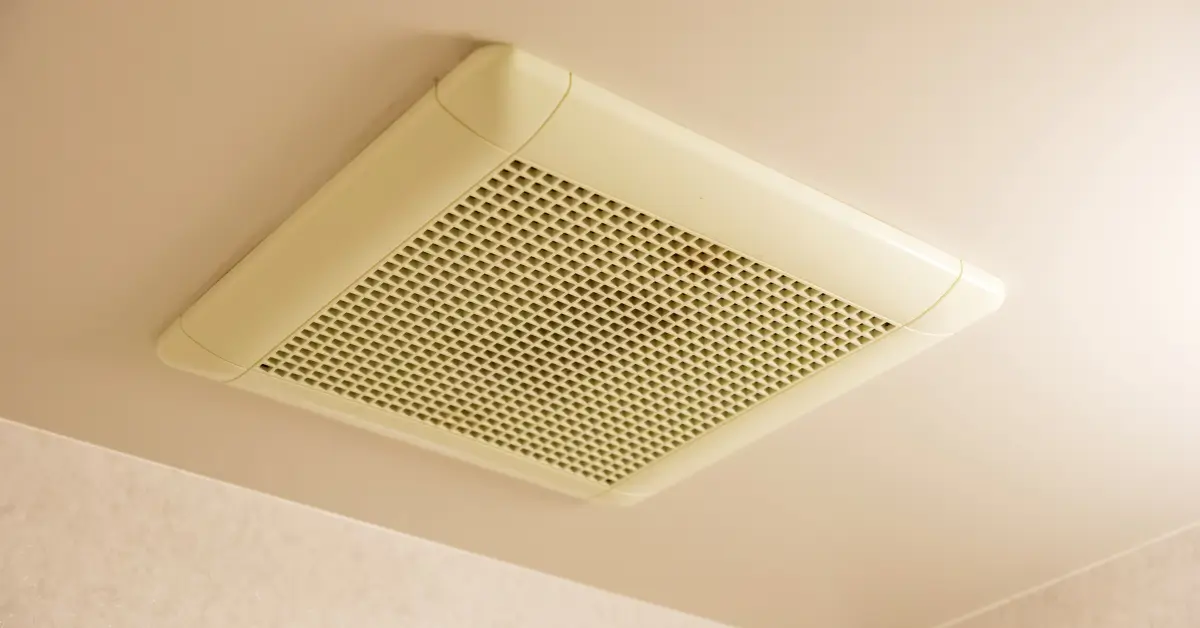
A close-up view of a beige ceiling air vent or exhaust fan with a square grid design, mounted in an indoor space.

Bring in fresh outdoor air and exhaust stale air. Opening windows on mild days is one approach, but that isn’t always feasible in Ashland’s humid summers or cold winters. Mechanical ventilation systems can help. Options include:

  • Exhaust fans in kitchens and bathrooms that vent directly outdoors.

  • Whole‑house ventilation systems like energy recovery ventilators (ERVs) and heat recovery ventilators (HRVs), which exchange stale indoor air with fresh outdoor air while recovering heat or cooling energy.

  • Balanced ventilation that uses separate fans to supply and exhaust air, maintaining a neutral pressure inside your home.

Proper ventilation reduces concentrations of indoor pollutants and helps control humidity. However, it should be balanced with energy efficiency and comfort. A qualified technician can recommend the right system for your home.

Filtration and Air Cleaning

Capture and remove particles and microorganisms from the air. HVAC filters play a central role here. Look for filters with a Minimum Efficiency Reporting Value (MERV) rating appropriate for your system—typically between MERV 8 and 13 for residential equipment. Higher MERV ratings capture smaller particles but may restrict airflow if your system isn’t designed for them. Changing filters regularly is essential.

Additional air cleaning options include:

  • HEPA (High Efficiency Particulate Air) purifiers – Portable HEPA units can capture very fine particles and allergens. Whole‑house HEPA filtration can be integrated into your HVAC system.

  • UV germicidal lights – These lights installed in ductwork or near coils kill bacteria, viruses and mold spores.

  • Electronic air cleaners – Electrostatic precipitators and ionizers remove particulates using electrical charges.

Remember that air cleaners should supplement—not replace—source control and ventilation.

HVAC Maintenance and IAQ

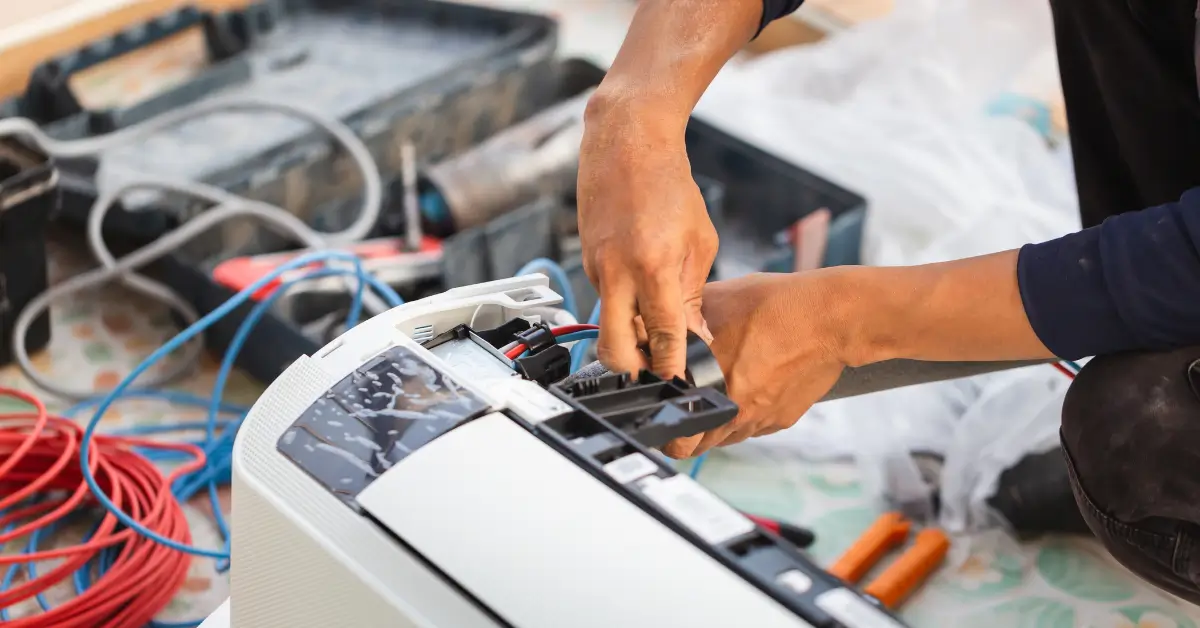
A technician’s hands working on the wiring of an indoor air conditioning unit, with tools, cables, and equipment scattered in the background.

Your HVAC system is a gateway between the air inside and outside your home. A well‑maintained system not only operates efficiently but also contributes to good indoor air quality. According to the EPA, preventive HVAC maintenance can improve indoor air quality and save 5%–15% of total building energy costs. Here’s why:

  • Clean coils and drain pans prevent mold and bacteria from breeding in a moist environment and spreading through your ducts.

  • Tight electrical connections and lubricated parts reduce the risk of overheating and burning smells.

  • Correct refrigerant levels and airflow ensure the system dehumidifies properly, which is crucial in Ashland’s humid climate.

  • Duct inspections and sealing prevent dust, insulation fibers and pests from entering your ventilation system.

Scheduling regular maintenance and replacing filters on time are simple yet powerful steps toward cleaner indoor air.

Humidity Control in Ashland’s Climate

Humidity is a double‑edged sword. Too much moisture fosters mold and dust mites; too little dries out skin and irritates mucous membranes. In our region, outdoor humidity often exceeds 70% in summer, while winter air can be dry, especially when heaters run constantly. Aim to keep indoor relative humidity between 30% and 50% for comfort and health.

To control humidity:

  • Use your air conditioner or heat pump to remove moisture during summer. Ensure it’s properly sized and maintained to dehumidify effectively.

  • Install a whole‑house dehumidifier if your home remains damp. These units tie into your HVAC system and pull moisture from the air before it circulates.

  • Run bathroom and kitchen exhaust fans during and after bathing or cooking.

  • Add a humidifier if the air becomes uncomfortably dry in winter. Whole‑home humidifiers can be installed on your furnace to add moisture to the heated air.

Maintaining balanced humidity not only keeps your family comfortable but also protects wood floors, furniture and musical instruments from warping or cracking.

Ventilation Strategies

Proper ventilation goes beyond cracking a window. In new, tightly sealed homes, mechanical systems are essential for bringing in fresh air. In older houses around Ashland with more natural leakage, controlled ventilation helps manage humidity and pollutants. Consider:

  • Energy recovery ventilators (ERVs) – These exchange heat and humidity between outgoing and incoming air, making them ideal for humid summers. They help retain cooling energy while removing excess moisture.

  • Heat recovery ventilators (HRVs) – HRVs recover heat from outgoing air in the winter and are best suited to colder, drier climates.

  • Balanced ventilation systems – These maintain neutral pressure and can be tied to existing ductwork. A professional can determine the right system based on your home’s age, insulation and occupant needs.

Air Cleaning Technologies

Choosing the right air cleaner depends on your goals and existing HVAC system. Here’s a quick overview:

  1. High‑Efficiency Filters – Upgrade to a pleated filter with a MERV rating of at least 8. Change filters every one to three months depending on usage, pets and allergies.

  2. HEPA Purifiers – Consider a portable HEPA purifier for bedrooms or a whole‑home HEPA filtration system for comprehensive particle removal.

  3. UV Germicidal Lights – UV lights installed inside ducts or near coils kill bacteria, viruses and mold spores. They’re particularly useful in humid climates where microbial growth is a concern.

  4. Activated Carbon Filters – These remove odors and VOCs by absorbing gases. They’re often used alongside HEPA filters.

No single technology solves every IAQ problem. Combining filtration with source control and ventilation yields the best results.

Healthy Habits and Household Practices

Improving IAQ isn’t just about equipment—it’s also about habits. Here are simple actions you can take:

  • Vacuum regularly using a machine with a HEPA filter to capture fine particles.

  • Dust with damp cloths to avoid spreading dust into the air.

  • Wash bedding and curtains frequently to reduce dust mites.

  • Avoid synthetic air fresheners and scented candles that release VOCs; choose natural alternatives instead.

  • Keep pets groomed to minimize dander and hair.

  • Use exhaust fans when cooking or showering, and let them run for at least 15 minutes afterward.

  • Do not smoke indoors and ensure fireplaces and stoves are properly vented.

These small changes complement mechanical solutions and add up to a healthier indoor environment.

When to Call a Professional

Sometimes improving indoor air quality requires professional intervention. Consider contacting an expert when:

  • You notice persistent musty odors or visible mold growth.

  • Family members experience chronic respiratory symptoms that improve when away from home.

  • Your home has high radon levels—testing kits are inexpensive and available at hardware stores.

  • Ducts are heavily contaminated with debris or mold.

  • You are planning major renovations and want to ensure proper ventilation and IAQ.

Extreme HVAC offers indoor air quality assessments, duct cleaning, humidity control solutions and advanced air purification systems. Our professionals can test your home, identify sources of pollution and recommend tailored solutions to keep your air clean and healthy.

Conclusion

Breathing clean air isn’t a luxury; it’s essential for health, comfort and energy efficiency. By controlling pollution sources, ensuring proper ventilation and using appropriate filtration, you can dramatically improve indoor air quality. Regular HVAC maintenance plays a pivotal role in this process, preventing mold growth, balancing humidity and ensuring your system filters and circulates air effectively.

If you live in Ashland, Kentucky or nearby communities in Ohio and West Virginia, let Extreme HVAC help you create a cleaner, healthier home. We offer comprehensive IAQ services—from duct inspections and filter upgrades to whole‑house dehumidifiers and energy recovery ventilators. Contact us today to schedule an indoor air quality assessment and breathe easier tomorrow.

Categories
HVAC System

How to Choose the Right HVAC System for Your Ashland Home | Extreme HVAC

Choosing the Right HVAC System for Your Home

Introduction

Choosing the right HVAC system is one of the biggest home improvement decisions you’ll make. Heating and cooling equipment affects comfort, energy consumption and even property value. In a region like Ashland, Kentucky—where summer humidity can feel oppressive and winter nights dip below freezing—your HVAC system must heat, cool and dehumidify reliably. With so many options on the market, from traditional furnaces and air conditioners to high‑tech heat pumps and ductless systems, how do you choose?

This guide will walk you through the key factors that go into selecting the perfect system for your home. We’ll cover climate considerations, system types, sizing methods, efficiency ratings, advanced features and cost comparisons. Whether you’re building a new home in Ashland or replacing an aging unit in Huntington or Ironton, you’ll gain the knowledge needed to make a confident, informed decision.

Understanding Local Climate and Comfort Goals

Before diving into equipment types, consider how the local climate impacts your heating and cooling needs. Ashland’s position along the Ohio River means humid summers with highs in the 80s and 90s and winters that can drop into the 20s. The area experiences all four seasons, along with high humidity, frequent storms and significant temperature swings. Your comfort goals will likely include:

  • Effective cooling and dehumidification during July and August, when humidity can exceed 70%.
  • Reliable heating from November through March, with enough capacity to handle occasional cold snaps.
  • Energy efficiency to keep utility bills manageable as energy prices fluctuate.
  • Good indoor air quality and ventilation to mitigate pollen and humidity.

The right system will balance these needs while fitting your budget and long‑term plans.

Types of HVAC Systems

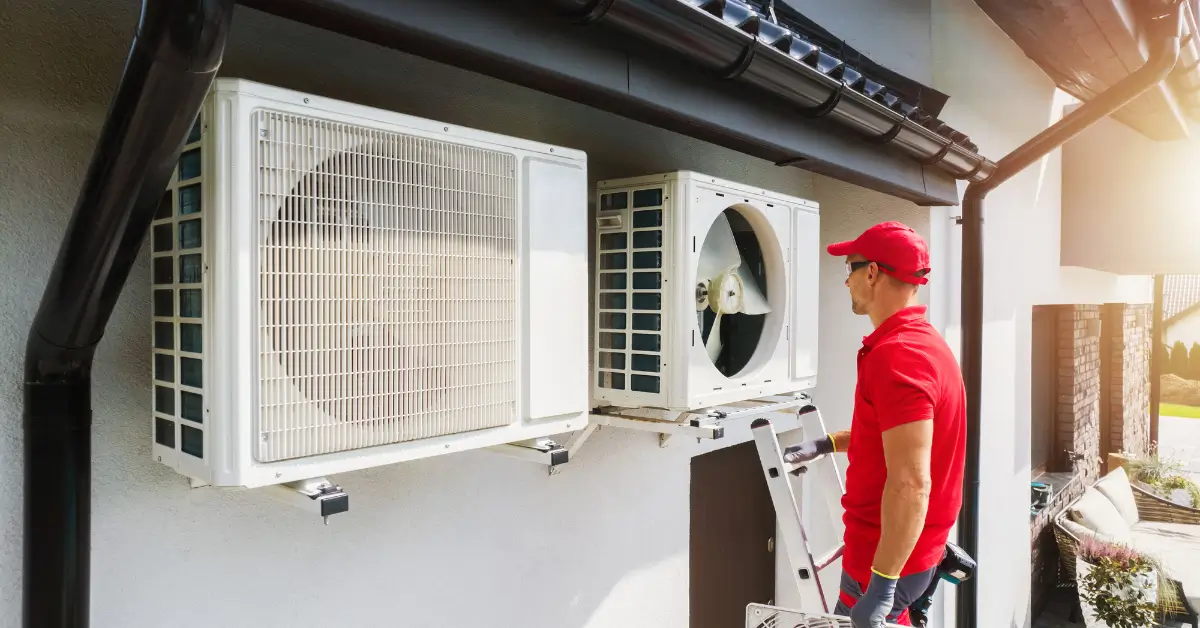
A close-up view of a white outdoor mini-split air conditioning unit mounted on a wall, featuring a large circular fan with protective grille against a background split between peach and light blue colors.

Central Split Systems (Air Conditioner + Furnace)

The most common setup in existing homes pairs a gas or oil furnace with a split central air‑conditioning unit. The furnace provides heat through forced air, while the AC unit cools and dehumidifies. These systems work well for homes with existing ductwork and can handle the wide temperature swings of our region. Modern furnaces achieve efficiencies up to 98% AFUE (annual fuel utilization efficiency), and high‑efficiency air conditioners offer SEER ratings up to 20 or more. A potential drawback is that you have two separate appliances to maintain.

Heat Pumps

A heat pump uses electricity to move heat instead of generating it. In summer it functions like an air conditioner, removing heat from your home. In winter it reverses direction, extracting heat from outside air (or ground, in geothermal systems) and delivering it indoors. Energy Star notes that an air‑source heat pump can deliver up to three times more heat energy than the electricity it consumes. That makes heat pumps highly efficient and environmentally friendly.

Heat pumps come in several varieties:

  • Air‑source heat pumps (ASHP) – These are common in moderate climates. Cold‑climate ASHPs can now operate efficiently at temperatures as low as −15°F, thanks to variable‑speed compressors and advanced refrigerants.
  • Geothermal heat pumps (ground‑source) – These draw heat from the relatively constant temperature of the ground or groundwater. They are extremely efficient but involve higher upfront costs due to excavation.
  • Hybrid systems – Combining a heat pump with a gas furnace for auxiliary heat offers the best of both worlds. The heat pump handles moderate heating and cooling, while the furnace kicks in during extreme cold.

Heat pumps are worth considering in Ashland because they provide both heating and cooling with one system. However, you’ll want to confirm that the model you choose is rated for cold climates and sized properly for your home.

Ductless Mini‑Split Systems

Ductless systems consist of an outdoor compressor and one or more indoor air‑handling units mounted on the wall or ceiling. Each indoor unit can be controlled independently, making them ideal for additions, older homes without ducts, or houses with varying comfort needs. Ductless mini‑splits can be air conditioners or heat pumps (providing both heating and cooling). They eliminate duct losses and allow precise zoning. The main downsides are higher per‑ton equipment costs and visible wall units.

Packaged Units and Rooftop Systems

In some commercial settings or smaller homes with limited indoor space, all components are housed in a single outdoor cabinet. Packaged units deliver heating and cooling through ducts and can be gas/electric hybrids or all‑electric. They’re common on flat roofs or slabs but may be less efficient than split systems.

Proper Sizing: Manual J Calculations

One of the most critical steps in selecting an HVAC system is determining the correct size. “Size” refers to heating or cooling capacity, usually measured in British thermal units (BTUs) per hour or tons (12,000 BTU/hr equals one ton). Oversizing may seem safe, but it leads to short run times that prevent proper dehumidification, uneven temperatures and premature wear. Undersizing causes the system to run constantly, struggling to keep up on extreme days.

ENERGY STAR stresses that your contractor should calculate heating and cooling loads using Manual J or a similar industry‑recognized method. This detailed calculation considers factors like square footage, insulation levels, window orientation, air leakage and occupancy. The process ensures the system is neither too big nor too small. A professional should also assess your existing ductwork (Manual D) to ensure it can deliver the required airflow.

Energy Efficiency Ratings: SEER, SEER2 and HSPF

Understanding efficiency ratings is crucial for comparing systems and estimating operating costs. The Seasonal Energy Efficiency Ratio (SEER) measures the cooling efficiency of air conditioners and heat pumps; a higher SEER means more cooling output per watt of electricity. Modern air conditioners range from 13 SEER (the minimum for the southeastern U.S.) to more than 20 SEER. According to American Standard, choosing a high‑SEER system can reduce energy costs by 20–40% compared with older, less efficient units.

Starting in 2023, the Department of Energy introduced SEER2, a new testing standard that better reflects real‑world conditions with higher external static pressure. SEER2 ratings are roughly 4–5% lower than SEER numbers but provide a more accurate comparison. When shopping, look for the EnergyGuide label and note both SEER and SEER2 ratings.

Heat pumps also have a Heating Seasonal Performance Factor (HSPF) rating that measures heating efficiency. New cold‑climate heat pumps may achieve HSPF ratings of 9–12, meaning they deliver 9–12 BTUs of heat for every watt‑hour of electricity used. As with SEER, higher HSPF means greater efficiency and lower operating costs.

Features and Options

Beyond basic capacity and efficiency, several features can enhance comfort and save energy:

  1. Variable‑speed compressors and blowers – Instead of turning on and off at full capacity, variable‑speed systems modulate to match the exact load. This improves dehumidification, reduces temperature swings and saves energy, particularly in climates like ours where humidity control is essential.
  2. Zoning – With motorized dampers and multiple thermostats, zoning allows you to condition different areas independently. This is especially useful in multi‑story homes, additions or rooms with large windows.
  3. Smart thermostats – Programmable and smart thermostats learn your schedule, adjust temperatures automatically and can save about 8% on heating and cooling bills, according to ENERGY STAR’s smart thermostat FAQs. Remote access via smartphone app adds convenience.
  4. Indoor air quality accessories – High‑efficiency filters, UV germicidal lights, humidifiers and dehumidifiers integrate with your HVAC system to improve health and comfort. Our area’s humidity swings make whole‑house dehumidification a valuable addition.
  5. Sound levels and aesthetics – Newer systems operate quietly and offer low‑profile designs. If outdoor space is limited, consider side‑discharge units or packaged systems.

Cost Considerations and Long‑Term Savings

Three outdoor air conditioning condenser units installed on a rooftop platform, with a cityscape and high-rise buildings visible in the background.

The right HVAC system balances up‑front cost with ongoing energy savings. High‑efficiency units cost more initially but pay back through reduced utility bills. For example, American Standard notes that moving from a 13‑SEER system to a 20‑SEER system can save 20–40% on cooling costs. Heat pumps’ ability to deliver more heat energy than the electricity they consume means lower heating costs compared with electric resistance heaters.

When evaluating cost, consider:

  • Equipment price – Furnaces are often less expensive than heat pumps, but adding a high‑efficiency air conditioner increases the total cost. Geothermal systems require a higher initial investment but offer some of the lowest operating costs.
  • Installation complexity – Ductless systems avoid ductwork but require a line set run to each indoor unit. Geothermal installations involve excavation. Proper installation is crucial; ENERGY STAR notes that improper installation can reduce system efficiency by up to 30%.
  • Fuel type and utility rates – Gas prices, electricity costs and renewable energy options vary. In some parts of Kentucky and West Virginia, electricity rates are low enough to make heat pumps very appealing.
  • Maintenance and lifespan – High‑efficiency equipment may require specialized maintenance. Ask about warranty coverage and service plans.

Calculating the life‑cycle cost (purchase price plus operating costs over 15–20 years) helps you compare options. In many cases, paying more upfront for a high‑efficiency, properly sized system yields significant long‑term savings.

Local Incentives and Rebates

To encourage energy efficiency, federal and state programs offer tax credits and rebates. As of 2025, homeowners installing qualifying high‑efficiency heat pumps, air conditioners or furnaces may receive tax credits under the Inflation Reduction Act. Local utilities in Kentucky, Ohio and West Virginia sometimes provide rebates or discounted rates for Energy Star‑rated equipment. Consult your utility or speak with an Extreme HVAC representative to learn about current incentives.

Why Consult a Professional?

Selecting the right HVAC system is not a DIY exercise. Manual J calculations, duct assessments and product selection require training and experience. An incorrect size or improper installation can negate efficiency gains, shorten equipment life and void warranties. Working with a local professional offers several benefits:

  1. Customized sizing and design – A trained technician performs detailed load calculations and designs a system tailored to your home’s unique characteristics.
  2. Quality installation – Properly installed systems operate at peak efficiency and last longer.
  3. Local code compliance – Permits and inspections ensure safety and protect your investment.
  4. Expert guidance on features and incentives – Professionals stay current on technology, rebates and utility programs.

Extreme HVAC in Ashland has decades of experience designing and installing systems throughout the tri‑state area. Our team will evaluate your home, discuss your comfort goals and recommend options that fit your budget. We handle everything from equipment selection and permitting to installation and follow‑up service.

Conclusion

Choosing the right HVAC system can feel overwhelming, but the payoff is long‑term comfort, energy savings and peace of mind. By considering local climate, properly sizing your equipment, comparing efficiency ratings and exploring advanced features, you can make an informed decision. Whether you opt for a high‑efficiency furnace and air conditioner, a versatile heat pump or a ductless mini‑split system, professional guidance is key.

If you’re in Ashland, Kentucky or the surrounding tri‑state area, let the experts at Extreme HVAC help you navigate your options. We’ll perform a thorough home assessment, calculate your heating and cooling loads and present solutions tailored to your needs. Contact us today to schedule a free consultation and start enjoying year‑round comfort with the perfect HVAC system.

Categories
HVAC Maintenance and Repair

Benefits of Regular HVAC Maintenance in Ashland, KY | Extreme HVAC

Benefits of Regular HVAC Maintenance in Ashland, KY

Introduction

The Ohio River Valley isn’t known for mild, predictable weather. Summers in Ashland, Kentucky are hot and humid, with heat indices often surpassing 90°F. Winters bring freezing rain, snow and cold air that finds its way into every drafty corner. In between, spring and autumn deliver massive temperature swings, pollen, and storms that can knock out power for days. It’s no wonder that heating, ventilation and air‑conditioning (HVAC) equipment here has to work overtime to keep families comfortable.

Many people only think about their furnace or air conditioner when something goes wrong. Yet waiting until there’s an emergency can be expensive and stressful. Regular HVAC maintenance is a proactive approach that not only keeps your system running at its best but also saves money, improves indoor air quality and extends equipment life. In this comprehensive guide we’ll explore why routine maintenance is essential, what tasks are involved and how homeowners and businesses in Ashland, Kentucky and the surrounding tri‑state area can benefit from partnering with a trusted local professional.

What’s Included in Regular HVAC Maintenance?

A professional tune‑up is more than just a quick glance at your system. According to the Energy Star maintenance checklist, technicians perform a series of inspections and adjustments to ensure the system operates safely and efficiently. These tasks typically include:

  1. Thermostat calibration and control check – The technician verifies that your thermostat correctly senses temperature and that the HVAC system responds appropriately. Correct calibration prevents short cycling and ensures your house reaches the set temperature.

  2. Electrical inspection and tightening – Electrical connections are tightened, and voltage and current on motors are checked. Loose connections can cause unsafe operation and reduce the life of major components.

    A technician’s hands working on the internal components of an air conditioning unit, with tools and cables scattered around the workspace.
  3. Lubrication of moving parts – Motors and bearings need proper lubrication to reduce friction, which in turn lowers energy use and prevents wear.

  4. Condensate drain inspection – A plugged drain can cause water damage and affect humidity levels. Clearing the drain ensures proper moisture removal.

  5. System controls testing – The technician checks the starting cycle, operation and shut‑off sequence to make sure the system operates safely and efficiently.

  6. Air filter replacement – The simplest but most critical task. Dirty filters reduce airflow and can cause the system to overheat or freeze. Replacing or cleaning a clogged filter can lower your air conditioner’s energy consumption by 5%–15%.

    A person wearing white work gloves removes a dirty air filter from an HVAC unit, with dust buildup and a small butterfly resting on the filter.
  7. Cleaning the evaporator and condenser coils – Dirt on coils reduces the system’s ability to absorb and release heat, forcing it to run longer and increasing energy use.

  8. Refrigerant level check and leak test – Improper refrigerant levels decrease efficiency and can damage the compressor. The technician tests for leaks and charges the system if necessary.

  9. Duct inspection and airflow measurement – In older homes around Ashland, ducts may be poorly sealed or partially blocked by dust and debris. Inspecting the ductwork and measuring airflow help ensure conditioned air reaches every room.

Most homeowners should schedule professional maintenance twice a year: once in spring before the cooling season and once in fall before heating season. However, systems that run year‑round or are exposed to heavy use, such as units serving apartment buildings or commercial properties, may benefit from quarterly inspections.

Energy Efficiency and Cost Savings

One of the biggest advantages of regular HVAC maintenance is improved energy efficiency. Dust, debris and neglected components make a system work harder to achieve the same level of comfort. Energy.gov notes that “neglecting necessary maintenance ensures a steady decline in air conditioning performance while energy use steadily increases”. In other words, a dirty system costs more to run.

Replacing or cleaning a clogged filter alone can reduce energy consumption by 5%–15%. Beyond filters, dirty coils, low refrigerant levels and loose electrical connections also drive up utility bills. Over time these issues strain the compressor and motors, leading to early failure. By having a technician clean and adjust the system, homeowners in Ashland can maintain peak efficiency and avoid spikes in their electricity costs during the hottest and coldest months.

Proper maintenance also prevents energy wastage by ensuring the system operates as designed. The Environmental Protection Agency (EPA) notes that preventive HVAC maintenance not only improves indoor air quality but can also save 5%–15% of total building energy costs. When you consider that heating and cooling typically account for nearly half of a home’s energy expenses, those savings quickly add up.

Improved Comfort and Indoor Air Quality

A woman sitting on a sofa wrapped in a blanket points a remote control at a wall-mounted air conditioner in a bright, modern living room.

A well‑maintained system delivers consistent comfort. Dirty filters and coils restrict airflow, causing some rooms to feel stuffy while others remain too cold or warm. Worn belts and failing motors lead to noisy operation and uneven temperature distribution. During a maintenance visit, technicians balance airflow, replace worn components and calibrate the thermostat. The result is a more stable indoor environment where every room feels just right.

Maintenance also enhances indoor air quality, which is especially important for families with allergies or respiratory conditions. The EPA highlights three key strategies for improving indoor air: controlling pollution sources, ventilating adequately and using air cleaners. Regular HVAC service addresses each of these factors:

  • Source control – Cleaning coils, pans and ducts removes mold, bacteria and dust that can circulate through your home. Technicians also check for leaks that could introduce moisture and foster biological growth.

  • Ventilation – Properly maintained fans, blowers and ductwork ensure fresh air is brought in and stale air is exhausted. In spring and fall, when Ashland’s outdoor air quality is often good, adjusting ventilation can help flush indoor pollutants.

  • Filtration and cleaning – High‑efficiency filters and optional accessories like UV germicidal lights capture particles and kill microorganisms. Replacing filters regularly is one of the easiest ways homeowners can improve IAQ.

By keeping your system clean and tuned, you reduce the amount of dust, pollen and pet dander that collects in your living spaces. In a region where spring pollen counts and summer humidity can exacerbate allergy symptoms, a clean HVAC system contributes to healthier living.

Extended Equipment Life and Fewer Breakdowns

HVAC systems are major investments. A modern central air conditioner or furnace can cost thousands of dollars to replace. Regular maintenance protects that investment by addressing small problems before they become big ones. For example, lubricating moving parts reduces friction and wear, while tightening electrical connections prevents arcing that can damage motors and control boards. Checking and adjusting refrigerant levels prevents your compressor from working overtime and failing prematurely.

The EPA points out that preventive maintenance can save 5%–15% of total building energy costs, which implies that systems run more efficiently and last longer. In our experience serving Ashland and the tri‑state area, well‑maintained systems often last several years longer than neglected ones. Conversely, skipping maintenance can lead to emergency breakdowns on the hottest day of summer or the coldest night of winter. Those calls are never fun, and repairs can be expensive. Scheduling a tune‑up ahead of time costs far less than replacing a fried compressor or a cracked heat exchanger.

Seasonal Considerations for Ashland and the Tri‑State Area

Ashland and its neighboring communities in Kentucky, Ohio and West Virginia have unique climate challenges. Summers bring high humidity that encourages mold growth and makes air conditioners run longer to remove moisture. Winter storms can be harsh, with freezing rain, heavy snow and occasional power outages. Spring and fall bring pollen, fluctuating temperatures and severe thunderstorms.

Because of these conditions, our area often requires more frequent filter changes and coil cleanings than drier regions. It’s wise to change filters at least every 2–3 months, or monthly if you have pets or allergies. During spring tune‑ups, technicians may focus on cleaning drain lines to prevent clogs when humidity rises. In fall, they will check furnaces and heat pumps for safe combustion and proper defrost cycles. They may also recommend installing surge protectors or backup generators to protect your HVAC equipment from storm‑related power surges. A local professional understands these seasonal nuances and can tailor maintenance to your home’s needs.

Why Work with a Local Professional?

DIY filter replacement is straightforward, but comprehensive HVAC maintenance requires specialized tools and training. Modern systems incorporate sensitive electronics, refrigerants and safety controls that should only be handled by licensed technicians. Here are some reasons to choose a local professional like Extreme HVAC:

  1. Experience with local climate and codes – A technician who lives and works in Ashland knows how humidity, hard water and regional construction styles affect HVAC performance. They are also familiar with local building codes and permitting requirements.

  2. Fast response and flexible scheduling – Extreme HVAC offers 24/7 emergency service and flexible maintenance plans, ensuring that your system gets attention when you need it most.

  3. Comprehensive service – In addition to heating and cooling, Extreme HVAC can address indoor air quality and electrical concerns. Our technicians are trained in the latest techniques and can recommend energy‑efficient upgrades tailored to your home or business.

  4. Safety and peace of mind – Working with refrigerants, high‑voltage circuits and gas lines carries risk. Hiring a professional protects you and your property from harm.

Conclusion

Regular HVAC maintenance isn’t just a good idea—it’s a wise investment in comfort, health and financial well‑being. A clean, tuned system uses less energy, delivers consistent comfort and lasts longer. It also contributes to better indoor air quality, which is essential in a region with high humidity and seasonal pollen.

If you’re in Ashland, Kentucky or the surrounding tri‑state area, the team at Extreme HVAC is here to help. Our highly trained technicians offer comprehensive tune‑ups that address every component of your heating and cooling system. We tailor our service plans to meet your needs, whether you’re a homeowner, business owner or property manager. Don’t wait for a breakdown—schedule your maintenance visit today and enjoy peace of mind all year long.