Introduction
In Ashland and the surrounding tri‑state area, spring showers quickly give way to summer heat waves, while crisp autumn days transition into freezing winter nights. These rapid changes mean your HVAC system must pivot quickly from cooling to heating and back again. Seasonal maintenance ensures your system is ready for whatever Mother Nature delivers. Investing a little time and attention now can prevent uncomfortable breakdowns and high energy bills later.
This guide offers comprehensive seasonal tips to keep your HVAC system running smoothly year‑round. While many tasks are simple enough for homeowners, others require professional expertise to maintain safety and efficiency. We’ll highlight where you can DIY and where it’s wise to call in the pros.
Preparing for Summer
Summer in Ashland is hot and humid. Air conditioners and heat pumps work overtime to remove heat and moisture, which puts stress on compressors, coils and electrical components. Here’s how to prepare your cooling system:
Replace or Clean Air Filters

Clogged filters reduce airflow, making your system work harder and increasing energy use. Energy.gov notes that cleaning or replacing a clogged filter can lower your air conditioner’s energy consumption by 5%–15%. Check filters monthly during peak cooling season and change them at least every three months. If you have pets or allergies, consider high‑MERV filters but ensure your system can handle the resistance.
Clear Debris and Clean Coils
Your outdoor condensing unit needs unobstructed airflow. Leaves, grass clippings and winter debris can clog the fins and reduce heat transfer. Turn off power to the unit, remove the outer cover and gently hose off dirt and debris. Be careful not to bend the fins. A technician can deep‑clean the coils during a tune‑up. Cleaning coils improves efficiency and reduces strain on the compressor.
Check Refrigerant Levels and Inspect Lines
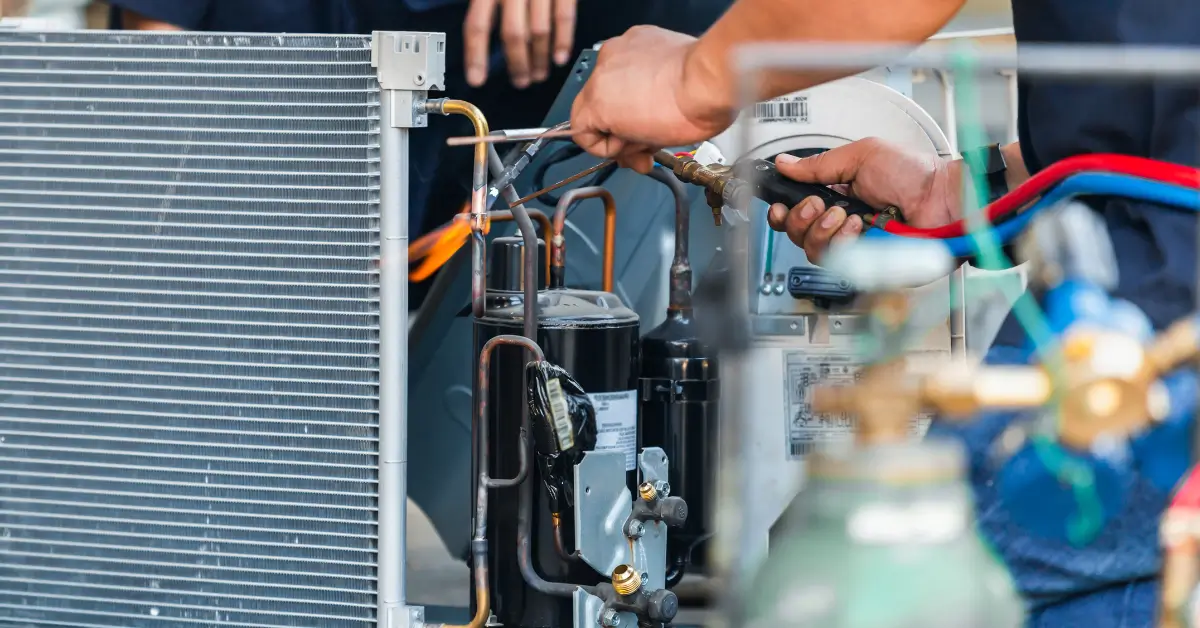
Low refrigerant reduces cooling capacity and can damage the compressor. A professional should check refrigerant levels, test for leaks and ensure the correct charge. They’ll also inspect refrigerant lines for insulation damage and replace it to prevent energy losses.
Test the Thermostat
Run the system through its cooling cycle to ensure the thermostat accurately controls temperature. Program setbacks to raise the temperature when you’re away and lower it before you return. Consider upgrading to a programmable or smart thermostat if you haven’t already.
Inspect Ductwork and Insulation
Leaky ducts waste conditioned air and make some rooms harder to cool. Seal visible gaps with mastic or foil tape and schedule a professional duct inspection every few years. Ensure your attic has adequate insulation to keep heat from radiating into living spaces. Adding attic ventilation or a radiant barrier can also reduce cooling demand.
Shade the Unit and Manage Airflow
Providing shade for your outdoor unit helps it run more efficiently by reducing heat around the condenser. Plant shrubs or install a shade structure, leaving at least two feet of clearance for airflow. Inside, use ceiling fans to create a gentle breeze that makes the air feel cooler, allowing you to raise the thermostat by a couple degrees without sacrificing comfort.
Preparing for Winter
Winter in the Ohio River Valley can bring frigid temperatures and icy storms. Preparing your heating equipment ensures you’ll stay cozy and safe.

Schedule a Furnace or Heat Pump Tune‑Up
Just like an air conditioner, a furnace or heat pump needs an annual inspection. During a tune‑up, a technician checks thermostat settings, tightens electrical connections, lubricates moving parts and inspects the condensate drain. They also examine the heat exchanger and burners for cracks or corrosion, which could allow carbon monoxide to leak into your home. Preventive maintenance improves efficiency and safety.
Inspect and Clean Components
Replace or clean filters at the start of heating season and every one to three months thereafter. A dirty filter can cause the furnace to overheat and shut down. Vacuum around the blower compartment and intake vents to remove dust.
For gas furnaces, ensure the flame sensor and pilot light (if applicable) are clean. A professional may also adjust burner combustion to maximize efficiency and reduce emissions. If you use a heat pump, ensure the outdoor unit is clear of ice and debris and that the defrost cycle operates correctly.
Check Carbon Monoxide Detectors and Smoke Alarms
Install carbon monoxide (CO) detectors on every level of your home and near sleeping areas. Test them monthly and replace batteries twice a year. CO is odorless and deadly; a malfunctioning furnace or blocked flue can release CO into your home. Also test smoke alarms and replace any units older than 10 years. According to Service Champions, there are about 51,000 home electrical fires each year in the U.S., causing deaths and injuries. Having working alarms is critical.
Seal Gaps and Insulate Pipes
Prevent cold drafts by sealing gaps around windows, doors and utility penetrations with caulk or weatherstripping. Insulate exposed water pipes in crawlspaces and attics to prevent freezing. Check that attic insulation is at least R‑38 (about 12–15 inches of fiberglass or cellulose). Add insulation around the attic access door if needed.
Prepare Auxiliary Equipment
If you use a fireplace or wood stove, have the chimney cleaned and inspected annually. Make sure dampers and flue valves operate correctly. For oil furnaces, schedule a fuel delivery and check the tank for leaks. If you have a boiler, bleed the radiators and inspect circulator pumps.
Year‑Round Tips and Preventive Maintenance
Some HVAC tasks apply in every season:
- Change filters regularly. Dirty filters cause up to a 15% increase in energy usage and strain your system.
- Keep vents and registers unobstructed. Move furniture, rugs and curtains to allow proper airflow.
- Monitor humidity. Use a hygrometer to keep humidity between 30% and 50%. Install humidifiers or dehumidifiers as needed.
- Listen and look for changes. Notice unusual noises, smells or performance drops. Early detection can prevent major repairs.
- Plan ahead. Schedule spring and fall tune‑ups with a trusted HVAC professional. Avoid the rush by booking early and enjoy priority service.
When to Call a Professional
While many seasonal tasks are DIY‑friendly, some require specialized tools and expertise. Cleaning coils, checking refrigerant levels, adjusting burners and testing electrical components should be handled by trained technicians. Attempting these tasks yourself could cause damage or void manufacturer warranties. Improper installation or maintenance can reduce efficiency by up to 30%.
Extreme Heating & Air Conditioning and Electrical Services offers comprehensive seasonal maintenance plans that include thorough inspections, cleaning and adjustments. Our technicians understand the unique challenges of the Ashland climate and can recommend solutions to improve efficiency, comfort and safety. We also provide 24/7 emergency repairs if unexpected issues arise.
Conclusion
Preparing your HVAC system for summer heat and winter cold isn’t just about comfort—it’s about protecting your investment and your family’s safety. By following the seasonal tips outlined above and partnering with a trusted professional, you’ll enjoy reliable performance, lower energy bills and peace of mind all year long.
If you live in Ashland or the surrounding tri‑state area, let Extreme Heating & Air Conditioning and Electrical Services help you create a customized maintenance schedule. Our team will perform seasonal tune‑ups, catch small issues before they become big problems and ensure your system operates safely and efficiently. Contact us today to schedule your next service and stay comfortable no matter what the weather brings.