Introduction
The Ohio River Valley isn’t known for mild, predictable weather. Summers in Ashland, Kentucky are hot and humid, with heat indices often surpassing 90°F. Winters bring freezing rain, snow and cold air that finds its way into every drafty corner. In between, spring and autumn deliver massive temperature swings, pollen, and storms that can knock out power for days. It’s no wonder that heating, ventilation and air‑conditioning (HVAC) equipment here has to work overtime to keep families comfortable.
Many people only think about their furnace or air conditioner when something goes wrong. Yet waiting until there’s an emergency can be expensive and stressful. Regular HVAC maintenance is a proactive approach that not only keeps your system running at its best but also saves money, improves indoor air quality and extends equipment life. In this comprehensive guide we’ll explore why routine maintenance is essential, what tasks are involved and how homeowners and businesses in Ashland, Kentucky and the surrounding tri‑state area can benefit from partnering with a trusted local professional.
What’s Included in Regular HVAC Maintenance?
A professional tune‑up is more than just a quick glance at your system. According to the Energy Star maintenance checklist, technicians perform a series of inspections and adjustments to ensure the system operates safely and efficiently. These tasks typically include:
- Thermostat calibration and control check – The technician verifies that your thermostat correctly senses temperature and that the HVAC system responds appropriately. Correct calibration prevents short cycling and ensures your house reaches the set temperature.
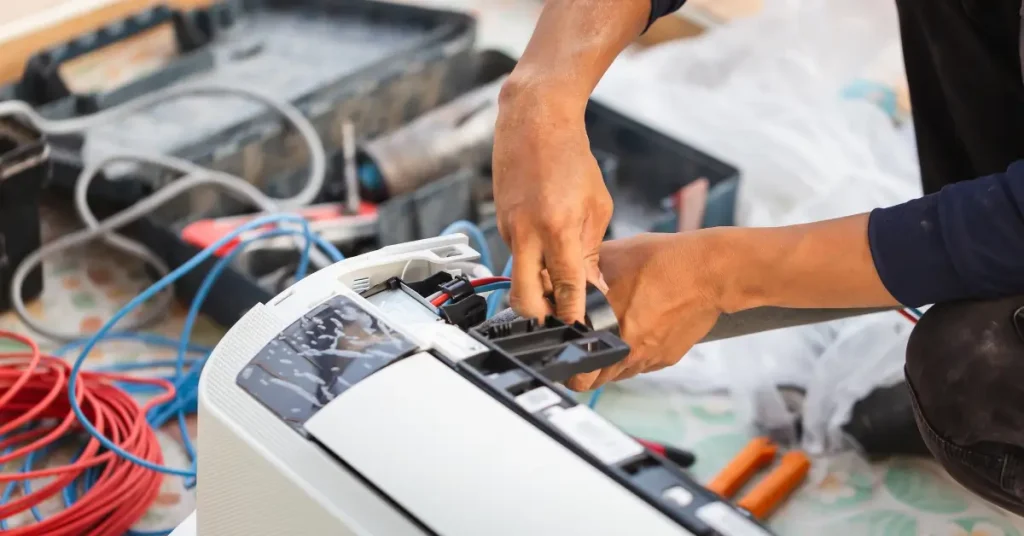
- Electrical inspection and tightening – Electrical connections are tightened, and voltage and current on motors are checked. Loose connections can cause unsafe operation and reduce the life of major components.
- Lubrication of moving parts – Motors and bearings need proper lubrication to reduce friction, which in turn lowers energy use and prevents wear.
- Condensate drain inspection – A plugged drain can cause water damage and affect humidity levels. Clearing the drain ensures proper moisture removal.
- System controls testing – The technician checks the starting cycle, operation and shut‑off sequence to make sure the system operates safely and efficiently.
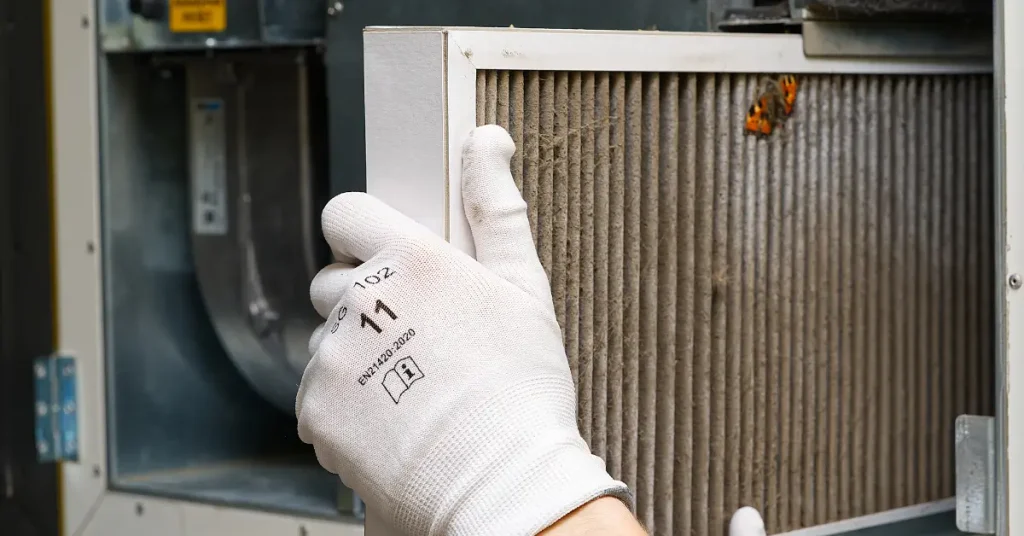
- Air filter replacement – The simplest but most critical task. Dirty filters reduce airflow and can cause the system to overheat or freeze. Replacing or cleaning a clogged filter can lower your air conditioner’s energy consumption by 5%–15%.
- Cleaning the evaporator and condenser coils – Dirt on coils reduces the system’s ability to absorb and release heat, forcing it to run longer and increasing energy use.
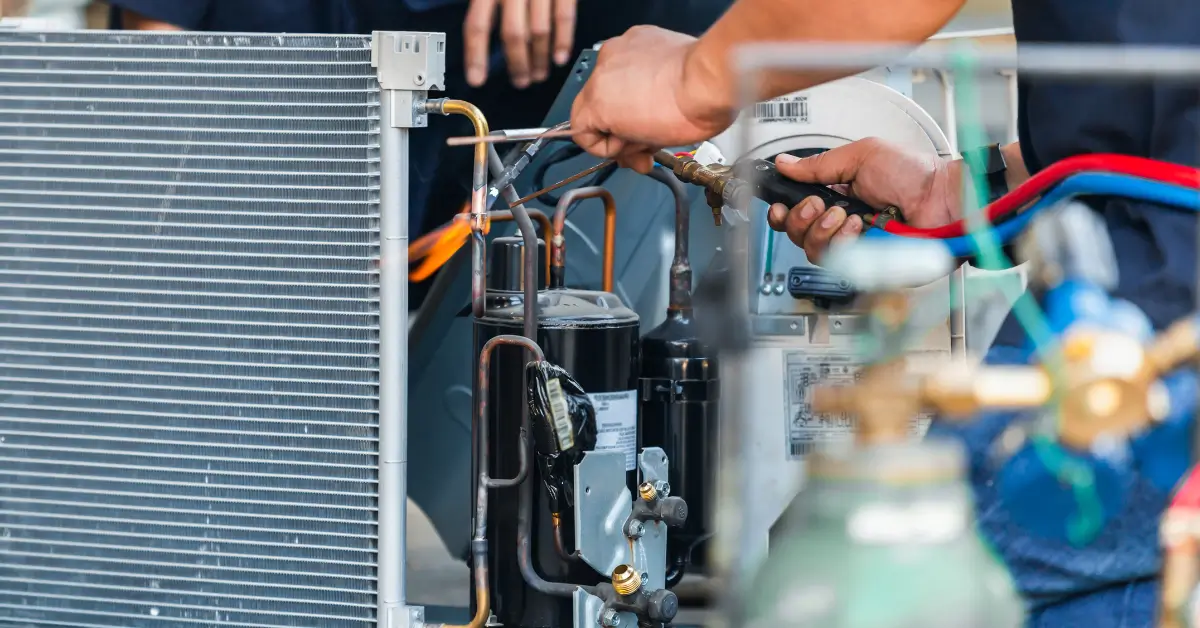
- Refrigerant level check and leak test – Improper refrigerant levels decrease efficiency and can damage the compressor. The technician tests for leaks and charges the system if necessary.
- Duct inspection and airflow measurement – In older homes around Ashland, ducts may be poorly sealed or partially blocked by dust and debris. Inspecting the ductwork and measuring airflow help ensure conditioned air reaches every room.
Most homeowners should schedule professional maintenance twice a year: once in spring before the cooling season and once in fall before heating season. However, systems that run year‑round or are exposed to heavy use, such as units serving apartment buildings or commercial properties, may benefit from quarterly inspections.
Energy Efficiency and Cost Savings
One of the biggest advantages of regular HVAC maintenance is improved energy efficiency. Dust, debris and neglected components make a system work harder to achieve the same level of comfort. Energy.gov notes that “neglecting necessary maintenance ensures a steady decline in air conditioning performance while energy use steadily increases”. In other words, a dirty system costs more to run.
Replacing or cleaning a clogged filter alone can reduce energy consumption by 5%–15%. Beyond filters, dirty coils, low refrigerant levels and loose electrical connections also drive up utility bills. Over time these issues strain the compressor and motors, leading to early failure. By having a technician clean and adjust the system, homeowners in Ashland can maintain peak efficiency and avoid spikes in their electricity costs during the hottest and coldest months.
Proper maintenance also prevents energy wastage by ensuring the system operates as designed. The Environmental Protection Agency (EPA) notes that preventive HVAC maintenance not only improves indoor air quality but can also save 5%–15% of total building energy costs. When you consider that heating and cooling typically account for nearly half of a home’s energy expenses, those savings quickly add up.
Improved Comfort and Indoor Air Quality
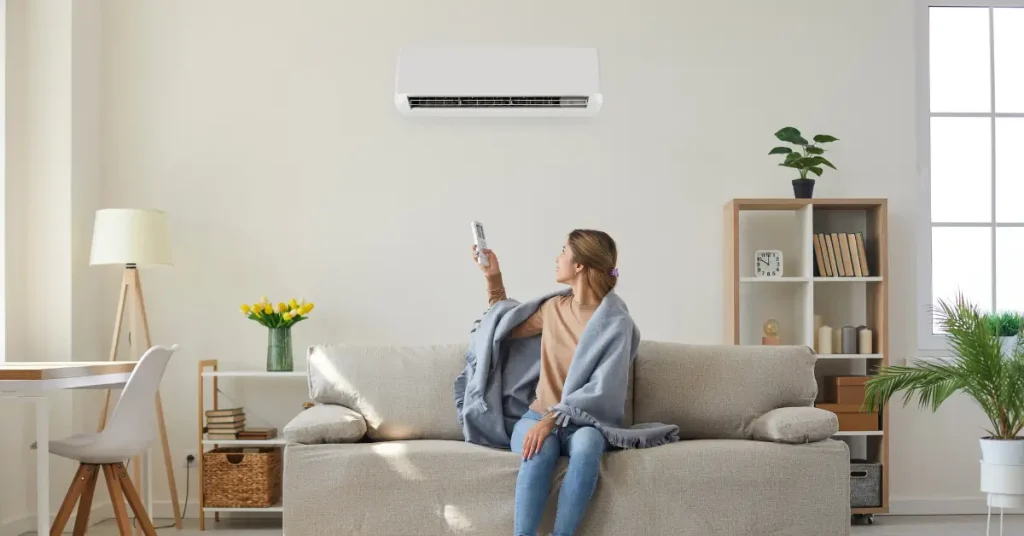
A well‑maintained system delivers consistent comfort. Dirty filters and coils restrict airflow, causing some rooms to feel stuffy while others remain too cold or warm. Worn belts and failing motors lead to noisy operation and uneven temperature distribution. During a maintenance visit, technicians balance airflow, replace worn components and calibrate the thermostat. The result is a more stable indoor environment where every room feels just right.
Maintenance also enhances indoor air quality, which is especially important for families with allergies or respiratory conditions. The EPA highlights three key strategies for improving indoor air: controlling pollution sources, ventilating adequately and using air cleaners. Regular HVAC service addresses each of these factors:
- Source control – Cleaning coils, pans and ducts removes mold, bacteria and dust that can circulate through your home. Technicians also check for leaks that could introduce moisture and foster biological growth.
- Ventilation – Properly maintained fans, blowers and ductwork ensure fresh air is brought in and stale air is exhausted. In spring and fall, when Ashland’s outdoor air quality is often good, adjusting ventilation can help flush indoor pollutants.
- Filtration and cleaning – High‑efficiency filters and optional accessories like UV germicidal lights capture particles and kill microorganisms. Replacing filters regularly is one of the easiest ways homeowners can improve IAQ.
By keeping your system clean and tuned, you reduce the amount of dust, pollen and pet dander that collects in your living spaces. In a region where spring pollen counts and summer humidity can exacerbate allergy symptoms, a clean HVAC system contributes to healthier living.
Extended Equipment Life and Fewer Breakdowns
HVAC systems are major investments. A modern central air conditioner or furnace can cost thousands of dollars to replace. Regular maintenance protects that investment by addressing small problems before they become big ones. For example, lubricating moving parts reduces friction and wear, while tightening electrical connections prevents arcing that can damage motors and control boards. Checking and adjusting refrigerant levels prevents your compressor from working overtime and failing prematurely.
The EPA points out that preventive maintenance can save 5%–15% of total building energy costs, which implies that systems run more efficiently and last longer. In our experience serving Ashland and the tri‑state area, well‑maintained systems often last several years longer than neglected ones. Conversely, skipping maintenance can lead to emergency breakdowns on the hottest day of summer or the coldest night of winter. Those calls are never fun, and repairs can be expensive. Scheduling a tune‑up ahead of time costs far less than replacing a fried compressor or a cracked heat exchanger.
Seasonal Considerations for Ashland and the Tri‑State Area
Ashland and its neighboring communities in Kentucky, Ohio and West Virginia have unique climate challenges. Summers bring high humidity that encourages mold growth and makes air conditioners run longer to remove moisture. Winter storms can be harsh, with freezing rain, heavy snow and occasional power outages. Spring and fall bring pollen, fluctuating temperatures and severe thunderstorms.
Because of these conditions, our area often requires more frequent filter changes and coil cleanings than drier regions. It’s wise to change filters at least every 2–3 months, or monthly if you have pets or allergies. During spring tune‑ups, technicians may focus on cleaning drain lines to prevent clogs when humidity rises. In fall, they will check furnaces and heat pumps for safe combustion and proper defrost cycles. They may also recommend installing surge protectors or backup generators to protect your HVAC equipment from storm‑related power surges. A local professional understands these seasonal nuances and can tailor maintenance to your home’s needs.
Why Work with a Local Professional?
DIY filter replacement is straightforward, but comprehensive HVAC maintenance requires specialized tools and training. Modern systems incorporate sensitive electronics, refrigerants and safety controls that should only be handled by licensed technicians. Here are some reasons to choose a local professional like Extreme Heating & Air Conditioning and Electrical Services:
- Experience with local climate and codes – A technician who lives and works in Ashland knows how humidity, hard water and regional construction styles affect HVAC performance. They are also familiar with local building codes and permitting requirements.
- Fast response and flexible scheduling – Extreme Heating & Air Conditioning and Electrical Services offers 24/7 emergency service and flexible maintenance plans, ensuring that your system gets attention when you need it most.
- Comprehensive service – In addition to heating and cooling, Extreme Heating & Air Conditioning and Electrical Services can address indoor air quality and electrical concerns. Our technicians are trained in the latest techniques and can recommend energy‑efficient upgrades tailored to your home or business.
- Safety and peace of mind – Working with refrigerants, high‑voltage circuits and gas lines carries risk. Hiring a professional protects you and your property from harm.
Conclusion
Regular HVAC maintenance isn’t just a good idea—it’s a wise investment in comfort, health and financial well‑being. A clean, tuned system uses less energy, delivers consistent comfort and lasts longer. It also contributes to better indoor air quality, which is essential in a region with high humidity and seasonal pollen.
If you’re in Ashland, Kentucky or the surrounding tri‑state area, the team at Extreme Heating & Air Conditioning and Electrical Services is here to help. Our highly trained technicians offer comprehensive tune‑ups that address every component of your heating and cooling system. We tailor our service plans to meet your needs, whether you’re a homeowner, business owner or property manager. Don’t wait for a breakdown—schedule your maintenance visit today and enjoy peace of mind all year long.