Introduction
Indoor air quality (IAQ) has a big impact on our health, comfort and overall well‑being. Many people spend 90% of their time indoors—especially during Ashland’s hot summers and chilly winters. If the air in your home contains high levels of dust, pollen, mold, volatile organic compounds (VOCs) or other pollutants, it can trigger allergies, asthma and other respiratory issues. Poor IAQ may cause headaches, fatigue and irritate eyes, nose and throat. It can even contribute to long‑term illnesses.
Thankfully, you can take steps to improve the air you breathe inside your home. Doing so not only supports your family’s health but also enhances comfort and reduces wear on your HVAC system. This guide explores the sources of indoor pollution, proven strategies for cleaner air and tips tailored to the climate of Ashland, Kentucky and the surrounding tri‑state area.
Sources of Indoor Air Pollution
The first step toward cleaner air is understanding what might be contaminating it. Common sources include:
- Dust and Allergens – Everyday activities like cooking, cleaning and walking across carpets stir up dust, pet dander and pollen. In spring and summer, Ashland’s high pollen counts make it easy for allergens to enter your home through open windows and on clothing.
- Mold and Mildew – Kentucky’s humidity creates a perfect breeding ground for mold. Bathrooms, basements and HVAC drain pans can harbor mold that releases spores into the air.
- Volatile Organic Compounds (VOCs) – Paints, cleaning products, furniture and carpets can off‑gas chemicals that irritate respiratory systems and contribute to poor air quality.
- Combustion Byproducts – Gas stoves, fireplaces and cigarettes produce carbon monoxide (CO), nitrogen dioxide (NO2) and particulate matter. CO is particularly dangerous because it’s odorless and can be lethal.
- Radon – This radioactive gas seeps from the soil and can accumulate in homes, increasing the risk of lung cancer. Kentucky has areas with elevated radon levels.
Three Keys to Healthy Indoor Air
According to the EPA, there are three primary approaches to improving indoor air quality: controlling the sources of pollution, providing adequate ventilation and using air cleaners when needed. Here’s how each strategy works in practice.
Source Control
Eliminate or reduce pollutants at the source whenever possible. For example:
- Choose low‑VOC paints, adhesives and cleaning products.
- Fix plumbing leaks quickly to prevent mold growth.
- Store chemicals and solvents in sealed containers in the garage or shed.
- Avoid smoking indoors, and use exhaust fans when cooking on gas stoves.
- Test for radon and install mitigation systems if levels are high.
Source control is often the most effective and cost‑efficient way to improve indoor air quality because it removes pollutants before they spread.
Ventilation
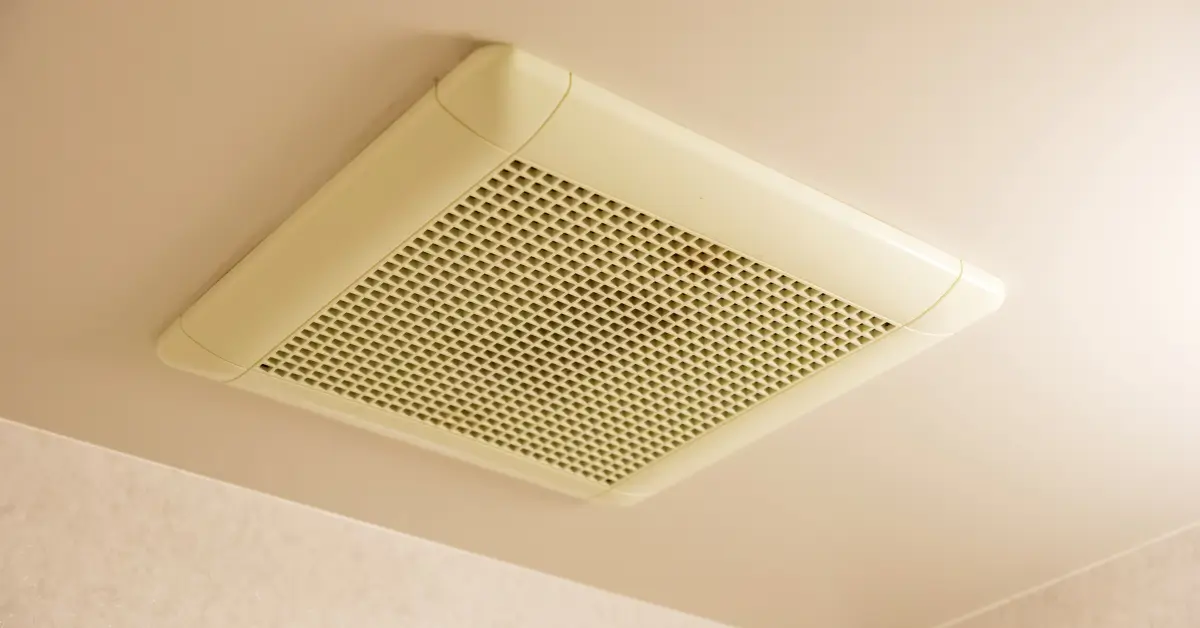
Bring in fresh outdoor air and exhaust stale air. Opening windows on mild days is one approach, but that isn’t always feasible in Ashland’s humid summers or cold winters. Mechanical ventilation systems can help. Options include:
- Exhaust fans in kitchens and bathrooms that vent directly outdoors.
- Whole‑house ventilation systems like energy recovery ventilators (ERVs) and heat recovery ventilators (HRVs), which exchange stale indoor air with fresh outdoor air while recovering heat or cooling energy.
- Balanced ventilation that uses separate fans to supply and exhaust air, maintaining a neutral pressure inside your home.
Proper ventilation reduces concentrations of indoor pollutants and helps control humidity. However, it should be balanced with energy efficiency and comfort. A qualified technician can recommend the right system for your home.
Filtration and Air Cleaning
Capture and remove particles and microorganisms from the air. HVAC filters play a central role here. Look for filters with a Minimum Efficiency Reporting Value (MERV) rating appropriate for your system—typically between MERV 8 and 13 for residential equipment. Higher MERV ratings capture smaller particles but may restrict airflow if your system isn’t designed for them. Changing filters regularly is essential.
Additional air cleaning options include:
- HEPA (High Efficiency Particulate Air) purifiers – Portable HEPA units can capture very fine particles and allergens. Whole‑house HEPA filtration can be integrated into your HVAC system.
- UV germicidal lights – These lights installed in ductwork or near coils kill bacteria, viruses and mold spores.
- Electronic air cleaners – Electrostatic precipitators and ionizers remove particulates using electrical charges.
Remember that air cleaners should supplement—not replace—source control and ventilation.
HVAC Maintenance and IAQ
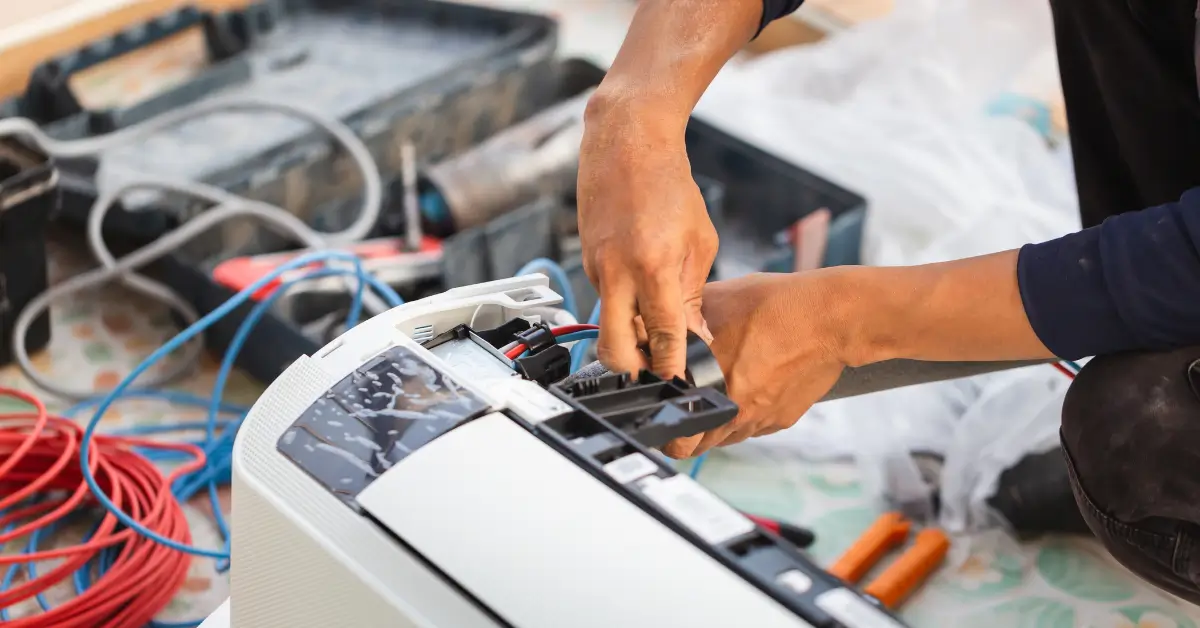
Your HVAC system is a gateway between the air inside and outside your home. A well‑maintained system not only operates efficiently but also contributes to good indoor air quality. According to the EPA, preventive HVAC maintenance can improve indoor air quality and save 5%–15% of total building energy costs. Here’s why:
- Clean coils and drain pans prevent mold and bacteria from breeding in a moist environment and spreading through your ducts.
- Tight electrical connections and lubricated parts reduce the risk of overheating and burning smells.
- Correct refrigerant levels and airflow ensure the system dehumidifies properly, which is crucial in Ashland’s humid climate.
- Duct inspections and sealing prevent dust, insulation fibers and pests from entering your ventilation system.
Scheduling regular maintenance and replacing filters on time are simple yet powerful steps toward cleaner indoor air.
Humidity Control in Ashland’s Climate
Humidity is a double‑edged sword. Too much moisture fosters mold and dust mites; too little dries out skin and irritates mucous membranes. In our region, outdoor humidity often exceeds 70% in summer, while winter air can be dry, especially when heaters run constantly. Aim to keep indoor relative humidity between 30% and 50% for comfort and health.
To control humidity:
- Use your air conditioner or heat pump to remove moisture during summer. Ensure it’s properly sized and maintained to dehumidify effectively.
- Install a whole‑house dehumidifier if your home remains damp. These units tie into your HVAC system and pull moisture from the air before it circulates.
- Run bathroom and kitchen exhaust fans during and after bathing or cooking.
- Add a humidifier if the air becomes uncomfortably dry in winter. Whole‑home humidifiers can be installed on your furnace to add moisture to the heated air.
Maintaining balanced humidity not only keeps your family comfortable but also protects wood floors, furniture and musical instruments from warping or cracking.
Ventilation Strategies
Proper ventilation goes beyond cracking a window. In new, tightly sealed homes, mechanical systems are essential for bringing in fresh air. In older houses around Ashland with more natural leakage, controlled ventilation helps manage humidity and pollutants. Consider:
- Energy recovery ventilators (ERVs) – These exchange heat and humidity between outgoing and incoming air, making them ideal for humid summers. They help retain cooling energy while removing excess moisture.
- Heat recovery ventilators (HRVs) – HRVs recover heat from outgoing air in the winter and are best suited to colder, drier climates.
- Balanced ventilation systems – These maintain neutral pressure and can be tied to existing ductwork. A professional can determine the right system based on your home’s age, insulation and occupant needs.
Air Cleaning Technologies
Choosing the right air cleaner depends on your goals and existing HVAC system. Here’s a quick overview:
- High‑Efficiency Filters – Upgrade to a pleated filter with a MERV rating of at least 8. Change filters every one to three months depending on usage, pets and allergies.
- HEPA Purifiers – Consider a portable HEPA purifier for bedrooms or a whole‑home HEPA filtration system for comprehensive particle removal.
- UV Germicidal Lights – UV lights installed inside ducts or near coils kill bacteria, viruses and mold spores. They’re particularly useful in humid climates where microbial growth is a concern.
- Activated Carbon Filters – These remove odors and VOCs by absorbing gases. They’re often used alongside HEPA filters.
No single technology solves every IAQ problem. Combining filtration with source control and ventilation yields the best results.
Healthy Habits and Household Practices
Improving IAQ isn’t just about equipment—it’s also about habits. Here are simple actions you can take:
- Vacuum regularly using a machine with a HEPA filter to capture fine particles.
- Dust with damp cloths to avoid spreading dust into the air.
- Wash bedding and curtains frequently to reduce dust mites.
- Avoid synthetic air fresheners and scented candles that release VOCs; choose natural alternatives instead.
- Keep pets groomed to minimize dander and hair.
- Use exhaust fans when cooking or showering, and let them run for at least 15 minutes afterward.
- Do not smoke indoors and ensure fireplaces and stoves are properly vented.
These small changes complement mechanical solutions and add up to a healthier indoor environment.
When to Call a Professional
Sometimes improving indoor air quality requires professional intervention. Consider contacting an expert when:
- You notice persistent musty odors or visible mold growth.
- Family members experience chronic respiratory symptoms that improve when away from home.
- Your home has high radon levels—testing kits are inexpensive and available at hardware stores.
- Ducts are heavily contaminated with debris or mold.
- You are planning major renovations and want to ensure proper ventilation and IAQ.
Extreme Heating & Air Conditioning and Electrical Services offers indoor air quality assessments, duct cleaning, humidity control solutions and advanced air purification systems. Our professionals can test your home, identify sources of pollution and recommend tailored solutions to keep your air clean and healthy.
Conclusion
Breathing clean air isn’t a luxury; it’s essential for health, comfort and energy efficiency. By controlling pollution sources, ensuring proper ventilation and using appropriate filtration, you can dramatically improve indoor air quality. Regular HVAC maintenance plays a pivotal role in this process, preventing mold growth, balancing humidity and ensuring your system filters and circulates air effectively.
If you live in Ashland, Kentucky or nearby communities in Ohio and West Virginia, let Extreme Heating & Air Conditioning and Electrical Services help you create a cleaner, healthier home. We offer comprehensive IAQ services—from duct inspections and filter upgrades to whole‑house dehumidifiers and energy recovery ventilators. Contact us today to schedule an indoor air quality assessment and breathe easier tomorrow.