Introduction
Heating and cooling your home accounts for roughly half of your energy use. An outdated HVAC system not only struggles to keep up with temperature extremes but also wastes energy and money. If your furnace, heat pump or air conditioner is more than 10–15 years old, upgrading to a modern, energy‑efficient system can provide significant benefits: lower utility bills, improved comfort, quieter operation and a smaller carbon footprint.
In the Ashland, Kentucky area—where humid summers demand strong cooling and winters require reliable heating—choosing the right equipment is essential. This guide explores the options for energy‑efficient upgrades, explains why proper sizing and installation matter and outlines incentives available to help offset costs.

Why Upgrade? Signs It’s Time
You might be due for an upgrade if:
- Your system is over 10–15 years old. Older equipment typically has lower efficiency and may use obsolete refrigerants. Cooling units installed before 2010 may use R‑22, which is being phased out for environmental reasons.
- Energy bills are rising despite regular maintenance. Efficiency declines over time as components wear and dust builds up. If your system is working harder to achieve the same comfort, replacing it can be more cost‑effective than continuing repairs.
- Repairs are frequent and costly. Replacing major components like compressors or heat exchangers can approach the cost of a new system.
- Home comfort is uneven. Inadequate cooling, heating or humidity control can indicate that the system is improperly sized or worn out. Newer systems offer better humidity control and variable speeds.
- The system is noisy or runs constantly. Advances in technology have made modern equipment quieter and smarter, reducing unnecessary run time and improving comfort.
Types of Energy‑Efficient HVAC Systems
There are several ways to upgrade your home’s heating and cooling. The best choice depends on your fuel sources, budget and comfort preferences.
High‑SEER Air Conditioners and Heat Pumps
SEER (Seasonal Energy Efficiency Ratio) measures cooling efficiency. Older air conditioners may have SEER ratings as low as 10. Newer high‑SEER models can achieve ratings of 16–25 or more. American Standard estimates that upgrading from a 10‑SEER unit to a 20‑SEER unit can reduce cooling costs by 20–40%. Heat pumps with high SEER and HSPF ratings provide both heating and cooling with exceptional efficiency. Because heat pumps transfer heat rather than generate it, they can deliver up to three times more heat energy than the electricity they consume.
Variable‑Speed and Two‑Stage Furnaces
While furnaces are rated by AFUE (Annual Fuel Utilization Efficiency), modern models also feature variable‑speed blowers and two‑stage burners. Variable‑speed blowers adjust airflow gradually, improving comfort and energy efficiency. Two‑stage burners operate at low fire during mild weather and high fire when it’s cold, reducing energy use and extending equipment life.
Dual‑Fuel or Hybrid Systems
Dual‑fuel systems pair an electric heat pump with a gas furnace. The heat pump handles heating and cooling during moderate temperatures, while the gas furnace takes over during extreme cold. This combination maximizes efficiency and ensures comfort regardless of outdoor conditions.
Geothermal Heat Pumps
Geothermal systems use the stable temperature of the earth or groundwater to heat and cool your home. They have the highest efficiency ratings but require significant upfront investment for drilling or trenching. In the long run, they offer low operating costs and long lifespans.
Sizing, SEER/HSPF and Installation
No matter how efficient an HVAC unit is on paper, it will underperform if it’s not sized and installed correctly. ENERGY STAR emphasizes that contractors should perform Manual J calculations to determine the right size. Oversized systems short cycle, leading to humidity problems and premature wear. Undersized systems run constantly without meeting temperature setpoints.
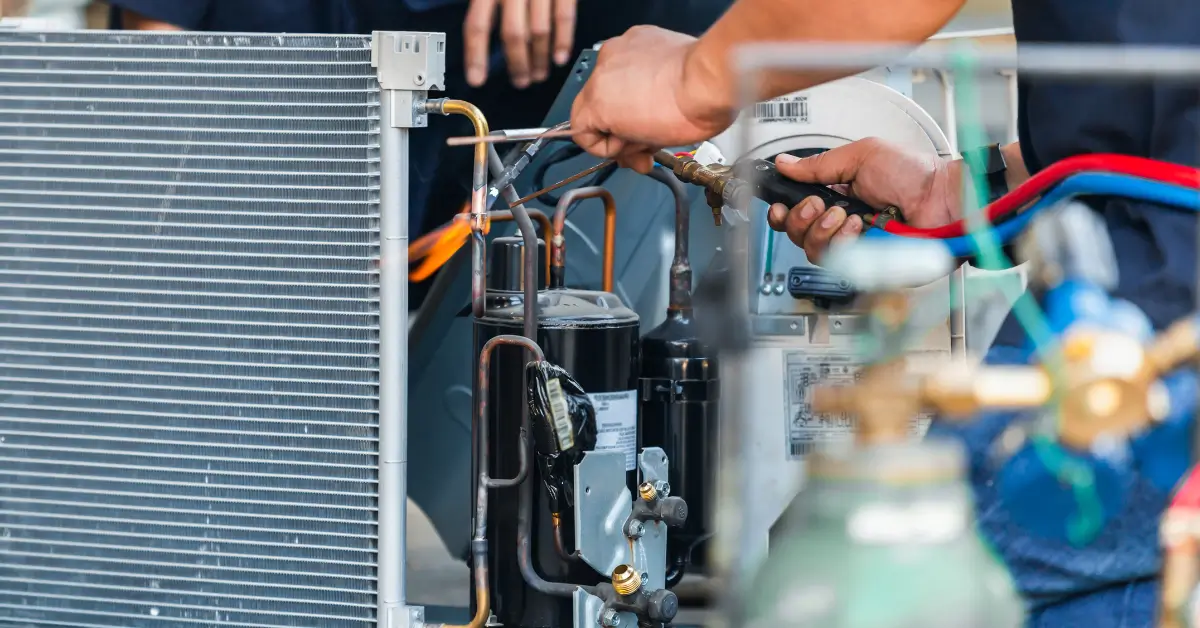
Proper installation is just as critical. ENERGY STAR warns that improper installation can reduce system efficiency by up to 30%. Tasks like correctly charging refrigerant, sealing ductwork, verifying airflow and calibrating controls ensure your new system delivers the promised efficiency. Look for contractors who are NATE (North American Technician Excellence) certified and follow manufacturer guidelines.
Benefits of Energy‑Efficient Upgrades
Investing in modern HVAC equipment offers multiple benefits:
- Lower utility bills – High‑efficiency equipment consumes less energy. For example, high‑SEER air conditioners can cut cooling costs by 20–40%, and heat pumps reduce heating costs by delivering more heat energy than they consume.
- Improved comfort – Variable‑speed blowers and multi‑stage compressors provide even temperatures, better humidity control and quieter operation.
- Reduced environmental impact – Using less energy means lower greenhouse gas emissions. Some systems use refrigerants with low global warming potential (GWP).
- Enhanced indoor air quality – Newer systems often integrate advanced filtration and ventilation options.
- Longer lifespans and warranties – Modern equipment is built with durable components and often comes with extended warranties.
Costs and Incentives
High‑efficiency systems have higher upfront costs than their standard counterparts. However, long‑term energy savings and incentives can offset these costs. The Inflation Reduction Act and federal tax credits offer significant rebates for qualifying heat pumps, furnaces and air conditioners. State and local utilities in Kentucky, Ohio and West Virginia may also provide rebates or low‑interest financing for Energy Star equipment. Additionally, upgrading your system may increase your property value and provide peace of mind.
When budgeting, consider the life‑cycle cost: the purchase price plus operating and maintenance costs over 15–20 years. In many cases, the efficiency gains pay for the difference within a few years, especially if your current system is older or inefficient.
Local Climate Considerations
Ashland’s climate features humid summers, cold winters and quick temperature swings. Because humidity control is critical, consider systems with variable speed compressors and high dehumidification capacity. For heating, cold‑climate heat pumps or dual‑fuel systems offer efficient performance even when temperatures dip below freezing. Local electricity and gas rates also influence your choice; electricity costs in the tri‑state area can be lower than in some parts of the country, making heat pumps more attractive.
Choosing the Right Contractor
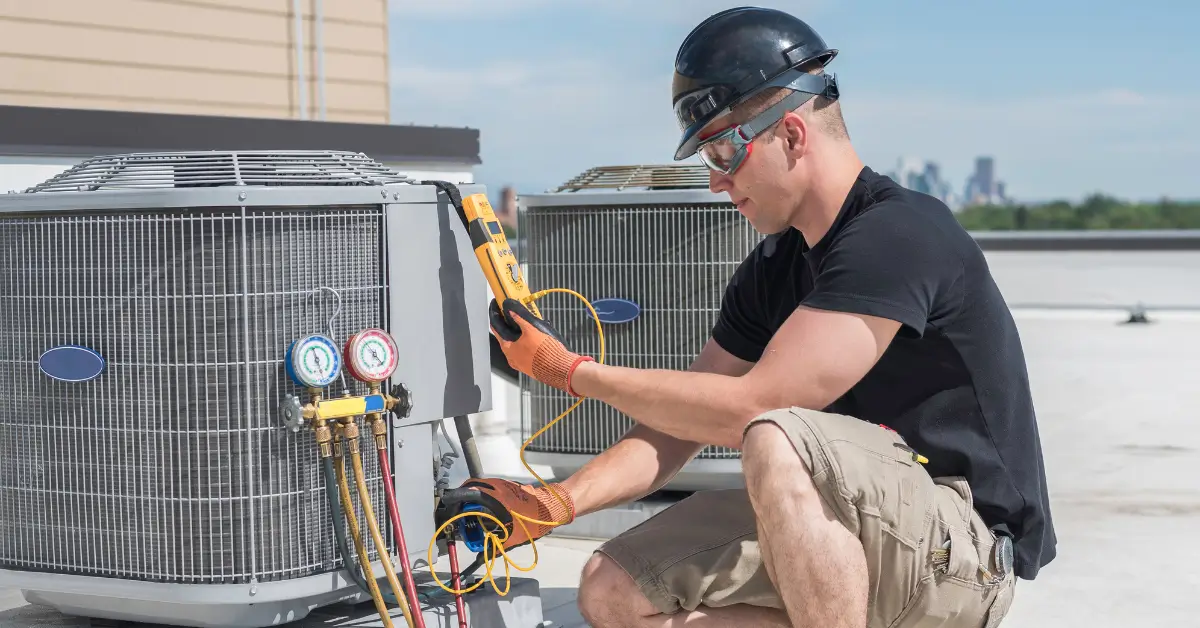
Upgrading your HVAC system isn’t a DIY project. Selecting the right contractor can make the difference between a trouble‑free installation and years of headaches. A qualified contractor will:
- Perform load calculations – Use Manual J to determine the correct size for your home.
- Provide detailed proposals – Include efficiency ratings, equipment options, warranty terms and installation procedures.
- Explain incentives and financing – Help you take advantage of available rebates and payment plans.
- Offer ongoing maintenance – Protect your investment with regular tune‑ups and priority service.
Extreme Heating & Air Conditioning and Electrical Services has been serving Ashland and the tri‑state area for years. Our team is trained on the latest high‑efficiency technologies, and we pride ourselves on meticulous installations that maximize performance. We’ll walk you through equipment options, calculate your home’s load and handle all permits and paperwork.
Conclusion
Upgrading to an energy‑efficient HVAC system is one of the smartest ways to lower your utility bills, reduce environmental impact and enhance comfort. Whether you choose a high‑SEER air conditioner, a variable‑speed furnace, a dual‑fuel system or a heat pump, proper sizing and professional installation are key. With modern technology, you can enjoy reliable heating and cooling while saving 20–40% on energy costs and contributing to a greener future.
If you’re ready to explore your options, contact Extreme Heating & Air Conditioning and Electrical Services. We’ll perform a free consultation, evaluate your current system and recommend upgrades tailored to your home, budget and comfort goals. With our expertise and commitment to customer satisfaction, you’ll get the most out of your investment and enjoy dependable comfort for years to come.