Introduction
Your HVAC system works hard year‑round to keep your home comfortable. A little preventive care goes a long way toward keeping it running efficiently and avoiding expensive breakdowns. While some maintenance tasks should always be performed by certified technicians, there are many simple things homeowners can do to care for their system between professional tune‑ups. This guide outlines safe, effective DIY maintenance tasks tailored to the Ashland, Kentucky climate.
Replace or Clean Air Filters
Air filters are the first line of defense against dust, pollen and debris. A dirty filter restricts airflow, causing your system to work harder and raising energy costs. Energy.gov notes that replacing or cleaning a clogged filter can lower your air conditioner’s energy consumption by 5%–15%.
How to change a filter:
- Turn off power to your HVAC system at the thermostat or breaker.
- Locate the filter compartment. It’s often inside the return air vent, at the air handler or in the furnace cabinet.
- Remove the old filter. Note the arrow indicating airflow direction.
- Insert a new filter of the same size with the arrow pointing in the correct direction.
- Secure the cover and restore power.
Change filters every one to three months, or more often if you have pets, allergies or live in a dusty environment. Consider high‑efficiency pleated filters with a MERV rating appropriate for your system.
Clean and Inspect the Outdoor Unit
Your outdoor condensing unit (for air conditioners and heat pumps) needs proper airflow to expel heat. During spring and summer, check it monthly:
- Remove debris – Clear leaves, grass clippings and twigs from around the unit. Maintain at least two feet of clearance on all sides.
- Clean the fins – Turn off power at the disconnect switch. Using a garden hose with moderate pressure, gently rinse the fins from the inside out to remove dirt and dust. Avoid bending the delicate fins; a fin comb can be used to straighten them if necessary. Professional technicians can perform deeper coil cleaning.
- Level the unit – Check that the concrete pad remains level. Uneven ground can cause stress on refrigerant lines and electrical connections.
Check the Condensate Drain
Air conditioners and high‑efficiency furnaces remove moisture from the air. This moisture drains through a condensate line. Over time, algae and debris can clog the line, causing water to back up and leak into your home.
To prevent clogs:
- Locate the condensate drain line—usually a PVC pipe near the indoor unit.
- Turn off the system.
- Attach a wet/dry vacuum to the drain line’s end and run it for a few minutes to clear clogs.
- Alternatively, pour a cup of distilled vinegar or a specialized condensate pan treatment into the drain line to inhibit algae growth.
If you notice standing water around your indoor unit or see the float switch shutting off your system repeatedly, call a professional to inspect the line and drain pan.
Inspect Registers and Vents

Walk through your home and check that supply registers and return vents are open and unobstructed. Move furniture, rugs or curtains blocking airflow. Remove vent covers and use a vacuum with a brush attachment to remove dust and debris. Cleaning registers improves airflow balance and indoor air quality.
Test the Thermostat
Ensure your thermostat is functioning properly:
- Replace batteries once a year (if it’s battery powered).
- Compare the thermostat reading with a separate indoor thermometer. If there’s a significant difference, your thermostat may need recalibration or replacement.
- Test heating and cooling modes at the beginning of each season to verify that the system responds correctly.
- If you have a programmable or smart thermostat, review schedules and update them as your routine changes. Proper programming can save about $180 per year.

Listen and Observe
Use your senses to catch problems early:
- Listen for unusual noises like rattling, hissing or squealing. These sounds may indicate loose components, refrigerant leaks or motor issues.
- Smell for musty odors, burning smells or gas odors. Musty smells could suggest mold in the system; burning odors may signal overheating components. Gas smells require immediate professional attention.
- Look for water leaks around the indoor unit, ice on refrigerant lines or unusual amounts of condensation. These issues merit a professional inspection.
Keep a maintenance log to note any changes, and share it with your technician during service visits.
What Not to Do
Safety should be your top priority. Avoid these tasks unless you are trained and certified:
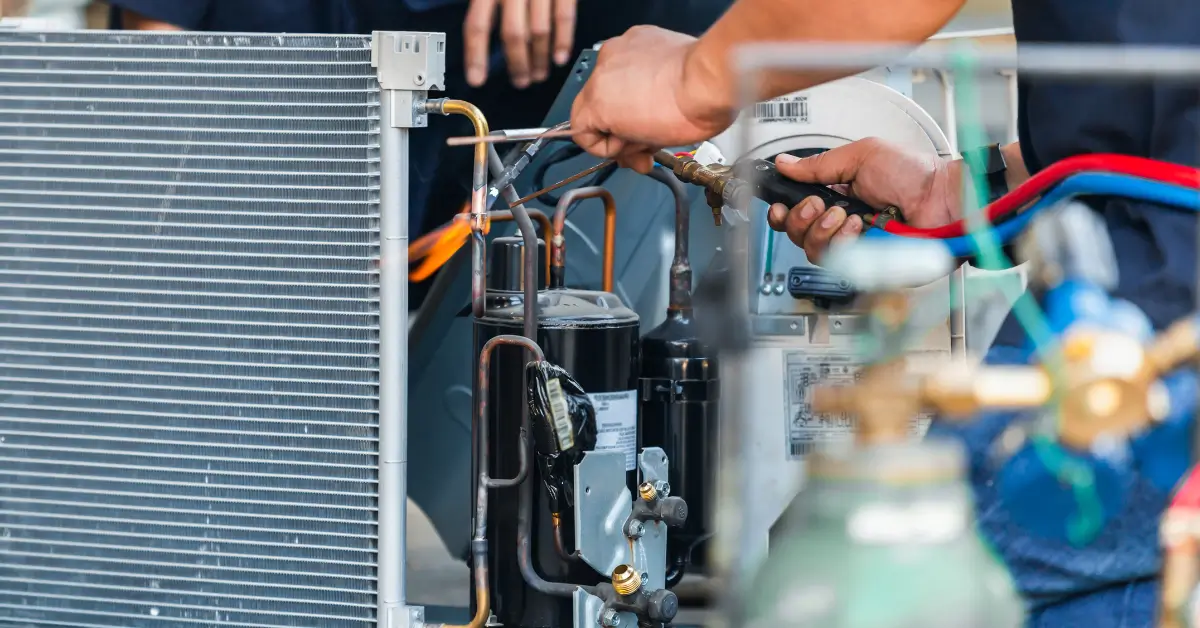
- Handling refrigerant – Refrigerant lines are under high pressure. Only EPA‑certified technicians should test or recharge your system.
- Opening electrical panels or replacing capacitors – HVAC systems contain high‑voltage components. Touching the wrong part can result in electric shock.
- Adjusting gas components or burners – Improper adjustments can lead to carbon monoxide leaks or fires.
- Taking apart sealed components – Many parts are sealed by the manufacturer. Breaking these seals can void warranties.
Attempting these tasks yourself can damage equipment, void warranties and jeopardize safety. When in doubt, call a professional.
When to Call a Professional
Regular professional maintenance complements your DIY efforts. Certified technicians perform tasks that require specialized tools and knowledge, such as:
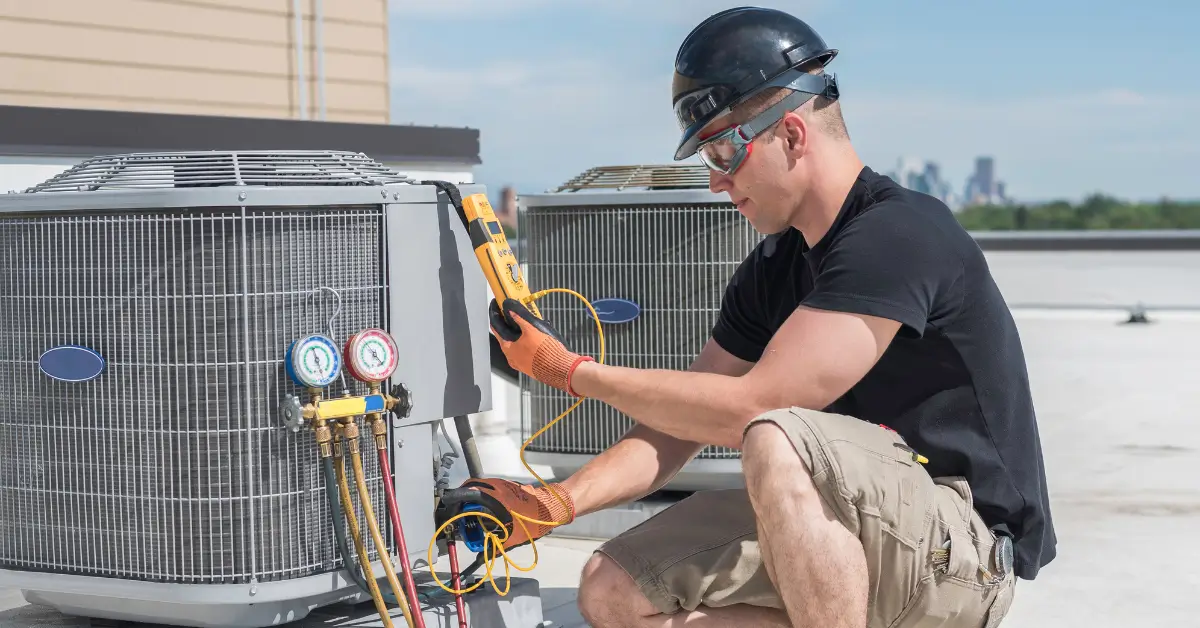
- Checking refrigerant levels and testing for leak.
- Measuring electrical voltage and current, tightening connections and lubricating moving parts.
- Calibrating thermostats, cleaning blower assemblies and verifying safe operation.
- Inspecting heat exchangers, burners and flues for cracks and corrosion.
- Performing Manual J load calculations for equipment sizing.
Schedule professional tune‑ups twice a year: once in spring for cooling and once in fall for heating. In between visits, practice the DIY tasks outlined here to keep your system in top shape. Always call a professional if you suspect a serious problem or are uncomfortable performing a task.
Conclusion
Taking care of your HVAC system doesn’t have to be complicated. Simple tasks like changing filters, cleaning outdoor units, clearing condensate drains and checking thermostats can improve efficiency and prevent breakdowns. By being attentive to how your system sounds and feels, you can catch small issues before they become big problems. However, some maintenance should always be left to the pros—especially anything involving refrigerant, gas lines or high‑voltage components.
In Ashland and the tri‑state area, Extreme Heating & Air Conditioning and Electrical Services offers affordable maintenance plans that pair your DIY efforts with professional expertise. Our technicians will perform comprehensive tune‑ups, ensuring your system operates safely and efficiently year‑round. Contact us today to schedule your next service or learn more about our membership plans that include priority scheduling and discounts on repairs.