Why Electrical Safety Matters for HVAC Systems
Introduction
Behind the comfortable temperatures your HVAC system delivers are complex electrical components. Furnaces, air conditioners, heat pumps and thermostats all rely on electricity to power motors, compressors, fans and control circuits. As such, electrical safety isn’t just about preventing shocks or protecting outlets—it’s also about ensuring your heating and cooling equipment operates reliably and safely.
Unfortunately, electrical hazards cause thousands of fires every year. Service Champions cites that approximately 51,000 home electrical fires occur annually, causing hundreds of deaths and millions of dollars in property damaget. Many of these incidents stem from overloaded circuits, damaged wiring or improper use of appliances. When HVAC equipment is involved, the stakes are even higher because these systems draw significant current and operate unattended for long periods.
Understanding Electrical Components in HVAC Systems
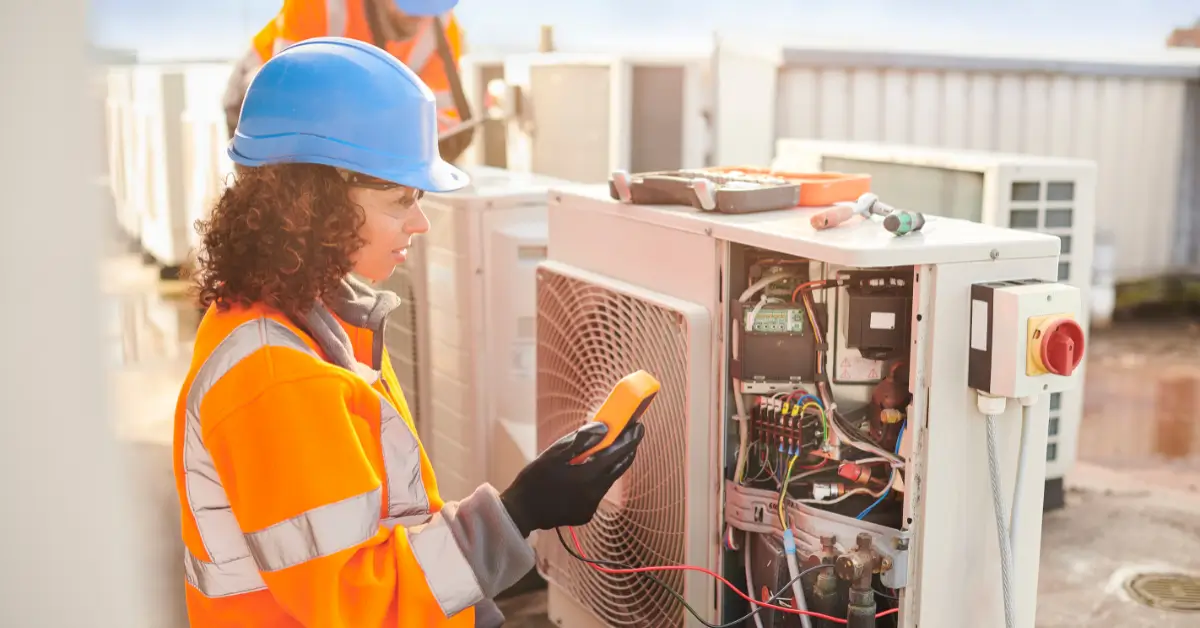
To appreciate why electrical safety matters, it helps to understand the key electrical components inside your HVAC equipment:
- Blower and condenser fan motors – These motors move air across the evaporator and condenser coils. They draw a lot of current, especially when starting up, and rely on capacitors to supply a voltage boost. A failing motor can overheat, trip breakers or create a fire risk.
- Compressor – In air conditioners and heat pumps, the compressor circulates refrigerant under high pressure. It is one of the most electrically demanding components and typically uses a start capacitor and a contactor (a type of switch) to engage.
- Control board and relays – Modern furnaces and air handlers use electronic control boards to manage blower speeds, ignition sequences and safety sensors. Short circuits or water intrusion can damage boards and create erratic behavior.
- Thermostat wiring – Low‑voltage wires connect your thermostat to the HVAC control board, telling the system when to turn on or off. Damaged or frayed thermostat wires can cause short cycling or failure to start.
- Electrical service disconnect – Every HVAC unit should have a nearby disconnect switch to cut power for servicing. Improper use or a faulty disconnect box can pose shock risks.
These components must be properly sized, installed and maintained to prevent overheating, arcing and fires.
Common Electrical Hazards
The National Fire Protection Association identifies several electrical hazards that can affect HVAC systems and other appliances. Recognizing them helps you take preventive action:
- Frayed or damaged cords – Over time, flexible cables can crack or split, exposing live wires. Children and pets may chew on cords, increasing the risk of shock or fire. Service Champions recommends inspecting cords regularly and replacing them immediately if damaged.
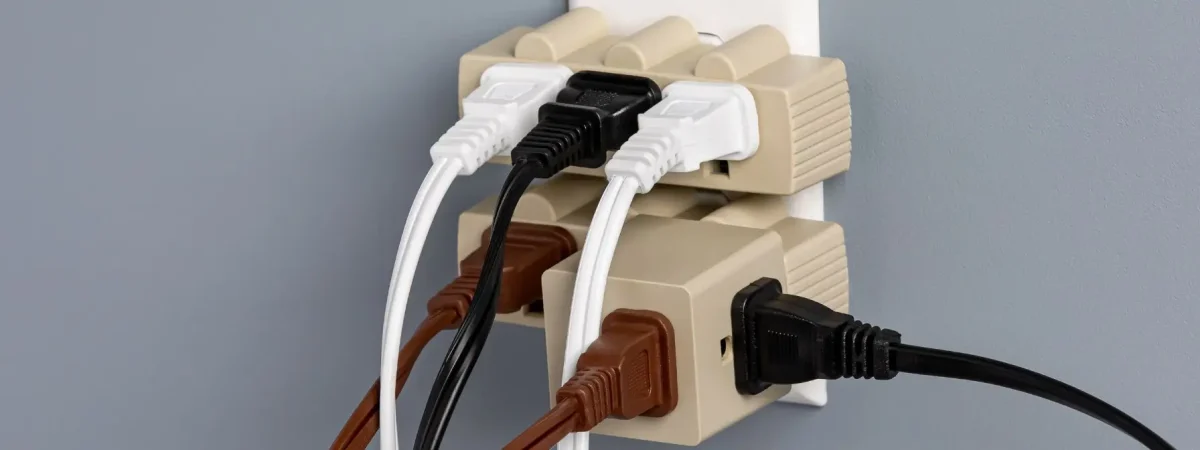
- Overloaded circuits – Plugging too many high‑draw devices into the same circuit can overheat wiring and cause breaker trips or fires. Air conditioners and heat pumps should have dedicated circuits sized for their current draw.
- Loose electrical connections – Vibration and thermal expansion can loosen connections over time. Loose terminals create resistance and heat buildup. Tightening connections is part of professional maintenance.
- Power surges – Lightning strikes and utility switching can send voltage spikes through your home. Sensitive control boards and compressors can be damaged by surges, leading to expensive repairs.
- Old or inadequate wiring – Homes built decades ago may have wiring that cannot handle modern electrical loads. Knob‑and‑tube or aluminum wiring poses particular risks and should be evaluated by an electrician.
Safety Tips for Homeowners
Protecting your home from electrical hazards involves adopting safe habits and installing appropriate devices. Here are key recommendations:
- Install and test smoke and carbon monoxide alarms – Alarms save lives by detecting fires and CO leaks early. Service Champions notes that around 65% of home fire deaths occur in homes without working smoke alarms. Test alarms monthly and replace batteries twice a year.
- Use ground‑fault circuit interrupter (GFCI) outlets – GFCIs shut off power if they detect a current leak, preventing shocks. They’re required in kitchens, bathrooms, basements and outdoor locations.
- Avoid extension cords for permanent connections – Extension cords are meant for temporary use. Running an air conditioner or space heater on an extension cord can overheat and cause a fire. Instead, install additional outlets or upgrade wiring.
- Don’t overload power strips – Plugging multiple high‑wattage devices into a single strip can exceed its rating. Spread appliances across different circuits.
- Childproof outlets and cords – Use outlet covers and cord shorteners to keep curious kids from inserting objects or pulling on cables.
- Schedule electrical inspections – Have a licensed electrician inspect your home every few years, especially if it’s more than 40 years old. They will identify outdated wiring, overloaded circuits and missing safety devices.
Space Heater and Appliance Safety
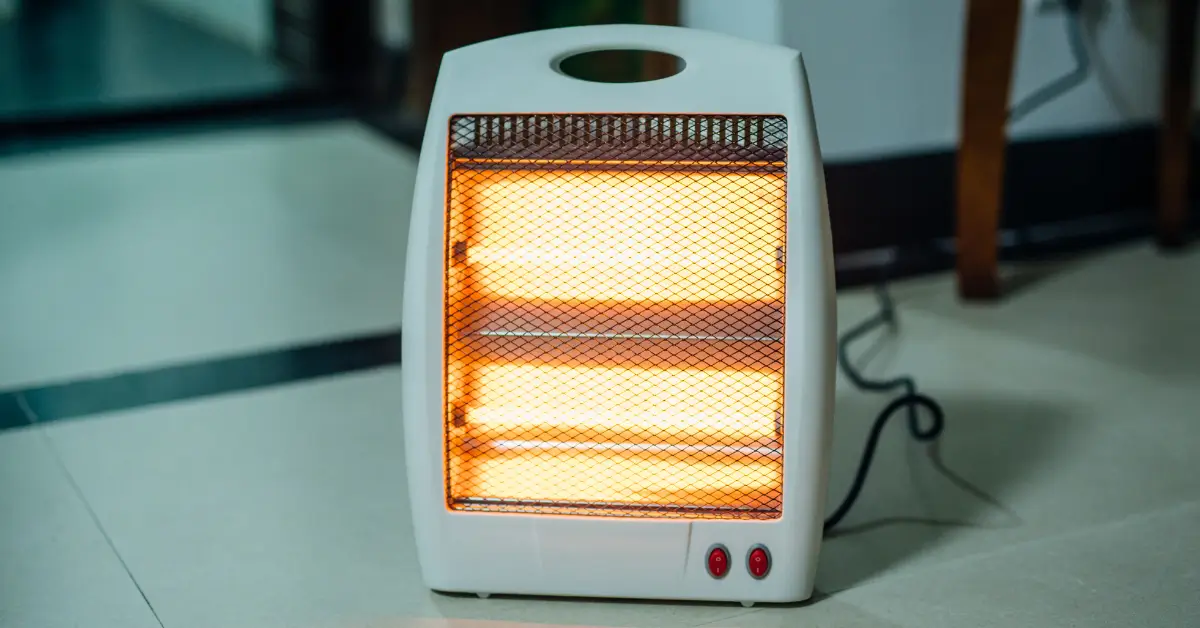
Portable space heaters are a convenient way to warm cold spots, but they can be dangerous if misused. Service Champions warns that space heaters cause over 1,700 fires each year. To use them safely:
- Keep heaters at least three feet away from anything flammable—curtains, bedding, furniture and rugs.
- Always plug heaters directly into a wall outlet. Extension cords and power strips are not designed for high current draw and can overheat.
- Never leave a space heater unattended or running while you sleep.
- Choose models with tip‑over protection and automatic shutoff features.
Apply similar caution to other plug‑in appliances like dehumidifiers, air purifiers and humidifiers. Regularly inspect cords, clean filters and follow manufacturer guidelines.
Surge Protection and Storm Preparedness
Power surges can destroy sensitive HVAC electronics. Installing point‑of‑use surge protectors or a whole‑house surge suppressor helps shield your equipment. Whole‑house suppressors are installed at the service panel and absorb large voltage spikes before they reach appliances. During severe storms, consider shutting off your HVAC system at the disconnect to prevent damage.
If your home loses power frequently, a standby generator can keep your HVAC system running. However, generators must be installed with proper transfer switches to prevent backfeeding electricity into utility lines. Consult a licensed electrician for safe installation.
Importance of Professional Electrical and HVAC Maintenance
Electrical safety isn’t a one‑time project; it’s an ongoing practice. Having your HVAC system professionally maintained ensures that electrical connections are tight, motors are lubricated, and components operate within safe parameters. Licensed electricians can identify wiring issues, install dedicated circuits for new HVAC equipment and upgrade your service panel if needed. They can also evaluate whether your home’s grounding and bonding systems meet current codes.
Attempting DIY electrical work on HVAC equipment can be dangerous and may void warranties. Refrigerant lines, high‑voltage capacitors and complex control circuits require specialized training and tools. Investing in professional maintenance protects your home, your family and your HVAC investment.
Conclusion
Electrical safety is a critical but often overlooked part of HVAC ownership. From the high‑powered compressors that cool your home to the thermostats that control your system, electricity is woven into every component. Understanding the risks—such as frayed cords, overloaded circuits and power surges—and adopting safe practices help prevent fires and equipment failures. With proper precautions and professional maintenance, you can enjoy the comfort of your HVAC system without worrying about electrical hazards.
If you’re in Ashland, Kentucky or the neighboring Ohio and West Virginia areas, Extreme HVAC offers comprehensive electrical and HVAC services. Our licensed electricians can inspect your wiring, install surge protection and ensure your HVAC system operates safely. Our technicians are available 24/7 for emergencies. Contact us today to schedule an inspection or learn more about our electrical safety solutions.