Categories
HVAC Maintenance and Repair

Choosing Between Electric and Gas Heating Systems

Choosing Between Electric and Gas Heating Systems

When it comes to heating your home, the choice between electric and gas systems can be challenging. Many homeowners are unsure of which option will provide the best comfort and efficiency while also considering costs and environmental impact. In this article, you will learn about the differences between electric and gas heating systems, compare their ongoing costs, and identify key factors that should influence your decision. By understanding these aspects, you’ll be equipped to make an informed choice that enhances your home’s atmosphere while potentially qualifying for tax credits. If you have further questions, don’t hesitate to contact us for expert heating services.

Understanding Electric Heating Systems

Close-up of a modern white radiator heater with a thermostat valve, positioned near a large window with a view outside.

Electric heating systems, including electric furnaces and heat pumps, rely on specific components to provide warmth. In this section, you will analyze how these systems operate, evaluating the advantages such as efficiency and lower installation costs. You will also identify disadvantages, including limitations in performance and potential for pollutants compared to gas systems. Discovering whether heat pumps are cheaper than gas systems will help you make an informed decision for your home. For more information, contact us for heating services.

Defining Electric Heating and Its Components

Electric heating systems include components like electric heat pumps, which utilize electricity to transfer heat rather than generate it directly, making them efficient and environmentally friendly. These systems can also work in tandem with an electric generator, especially in areas where power outages are frequent. In contrast to gas boilers that burn fuel to produce heat, electric heating relies on the electrification of energy sources, such as wind, to power your home effectively while reducing potential emissions associated with gas heating.

Analyzing How Electric Heating Operates

Understanding how electric heating operates is essential when comparing it to gas systems. Electric heating systems use watts to measure their energy consumption and deliver warmth efficiently, often resulting in lower operational costs. Moreover, focusing on safety and sustainability, electric furnaces, unlike their gas counterparts, do not emit harmful pollutants, making them a cleaner option for your home. As you weigh the differences between an electric furnace vs gas furnace, consider the long-term benefits of sustainability and the assurance of safety in your heating choices.

Evaluating the Advantages of Electric Heating

When evaluating the advantages of electric heating, you will find that electric furnaces typically offer lower installation costs compared to traditional gas systems. With important factors like emission intensity, these systems prove to be more environmentally friendly, as they do not emit harmful pollutants. Moreover, electric heat pumps can enhance efficiency by utilizing energy from renewable sources, making them a practical choice for your HVAC needs while lowering your overall energy expenses.

Identifying the Disadvantages of Electric Heating

Identifying the disadvantages of electric heating systems, such as electric heat pumps and baseboard heaters, is important for making an informed decision. While these systems often have higher energy efficiency, they can lead to increased consumption costs, especially during peak usage times. Furthermore, electric systems generally struggle in performance during extremely cold weather compared to gas heating systems, which can provide reliable heat through gas boilers and other means.

Exploring Gas Heating Systems

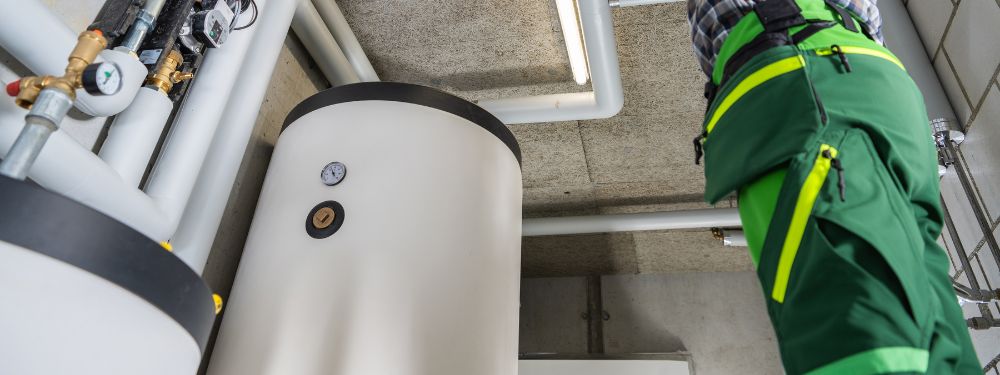
Technician in green work pants inspecting a modern boiler system with pipes and a large cylindrical water tank in a utility room.

Gas heating systems, including liquefied petroleum gas and ground source heat pumps, play a significant role in providing warmth. You will learn about the components that define gas heating and how these systems operate. Evaluating the advantages, such as efficient ventilation and heat generation, alongside the disadvantages, including greenhouse gas emissions, will help you understand the debate between a heat pump vs propane furnace for your heating needs.

Defining Gas Heating and Its Components

Gas heating systems utilize components such as gas turbines and boilers to convert gas into heat for residential and commercial spaces. This type of heating often provides consistent and reliable warmth, particularly in colder climates where electric heat may struggle. As you consider your options, remember that while gas systems can be effective, they also contribute to climate change through greenhouse gas emissions, making the choice between electric furnaces and gas heating a critical one for sustainability and environmental impact.

Analyzing How Gas Heating Operates

Gas heating systems operate by burning natural gas or heating oil to produce warmth, which is then distributed throughout your space. This process often involves gas-fired boilers or furnaces that generate heat efficiently, utilizing a flue to vent exhaust gases safely outside. When comparing performance, you might wonder about the effectiveness of an electric heat pump vs gas furnace, as gas systems generally provide reliable heat even in colder climates, offering consistent comfort amidst fluctuating temperatures.

Evaluating the Advantages of Gas Heating

Gas heating systems offer significant advantages, particularly in their efficiency and effective heat distribution. Utilizing a heat exchanger, these systems can deliver warmth quickly and consistently through pipes and radiators, ensuring that your space remains comfortable even in colder conditions. According to the Energy Information Administration, gas systems often provide superior performance compared to electric options, making them a practical choice for homeowners looking to balance comfort and energy efficiency.

Identifying the Disadvantages of Gas Heating

Identifying the disadvantages of gas heating can help you make an informed decision regarding your home heating options. One significant concern is the reliance on fossil fuels, which contribute to greenhouse gas emissions and climate change. Additionally,gGas heating systems, while generally safe, carry risks such as gas leaks or carbon monoxide emissions. Modern systems mitigate these risks with safety features like carbon monoxide detectors, regular maintenance, and proper venting. While gas heating can be effective, understanding these drawbacks encourages you to weigh the benefits of alternatives, such as electric heat pumps, that may offer safer and more sustainable solutions for your heating needs.

Comparing the Costs of Electric and Gas Heating

When choosing between electric and gas heating systems, it’s important to analyze the initial installation costs and examine the long-term operating expenses. You should also evaluate energy efficiency ratings, especially concerning gas vs electric hot water systems. These factors will help you understand how both options measure up in terms of a thermostat’s performance during a power outage or the risks associated with a gas leak.

Analyzing the Initial Installation Costs

When evaluating the initial installation costs of electric versus gas furnaces, it’s vital to consider your specific needs, such as heating a bathroom or a larger space. Typically, electric systems tend to have lower upfront costs, making them an appealing option for many homeowners. However, if you opt for propane heating, be mindful of potential long-term expenses, including fuel prices and the warranty on your system, as these can influence overall satisfaction with your heating choice.

Examining Long-Term Operating Costs

Examining long-term operating costs is crucial when deciding between electric and gas heating systems. Electric systems, which often utilize a compressor for heating, typically have lower maintenance needs compared to gas options. On the other hand, systems like condensing boilers require regular upkeep on components such as the pilot light and gas burner, which can add to your overall expenses. Engaging with resources like the Energy Saving Trust can help you calculate potential savings and make an informed choice that balances efficiency and cost effectiveness in your home heating solution.

Evaluating Energy Efficiency Ratings

When evaluating energy efficiency ratings between electric and gas heating systems, consider the performance of heat pumps and their effectiveness in reducing energy consumption. Heat pumps excel in efficiency, particularly in mild climates, as they transfer heat rather than generate it, leading to lower operational costs. On the other hand, gas systems, while effective, raise concerns over carbon monoxide and potential emissions, especially if maintenance lapses occur, making the assessment of these factors crucial in your decision-making process.

Environmental Impact of Electric and Gas Heating

Assessing the environmental impact of electric and gas heating systems is vital when deciding which option suits your needs. You will evaluate the carbon footprint of electric heating, focusing on the heating element’s efficiency and the potential of air source heat pumps. You will also explore the carbon footprint of gas heating and review renewable energy options to inform your choice between methods, such as the cost of a heat pump vs gas furnace.

Assessing the Carbon Footprint of Electric Heating

Assessing the carbon footprint of electric heating is crucial for understanding its role in promoting sustainable energy practices. Electric systems can reduce greenhouse gas emissions, especially when powered by renewable energy sources like wind and solar. By opting for electric heating, you may contribute to a healthier climate, while also considering how fluctuating natural gas prices can impact your long-term expenses and environmental impact.

Assessing the Carbon Footprint of Gas Heating

When assessing the carbon footprint of gas heating, it’s important to recognize how the reliance on natural resources can contribute to greenhouse gas emissions. Gas heating systems often produce waste gases, including carbon dioxide, during combustion, which impacts air quality and climate change. This consideration raises the question of whether electric heating is cheaper than gas not only in terms of cost but also in environmental impact, especially as skewed comparisons can overlook the full picture of sustainability regarding heating options like infrared systems.

Understanding Renewable Energy Options

Understanding renewable energy options is crucial when considering the environmental impact of your heating systems. By integrating sources like wind and solar power into your home, you can significantly reduce your reliance on natural gas, leading to a more environmentally friendly heating solution. Utilizing renewable energy not only minimizes carbon emissions but can also enhance the efficiency of your ignition system, making it a viable choice for those looking to balance comfort with sustainability.

Identifying Key Factors for Your Decision

Man relaxing on a sofa, gently petting an orange tabby cat in a cozy, warmly lit living room.

When choosing between electric and gas heating systems, it’s essential to consider several key factors. Assessing energy availability in your area can influence your options, while evaluating your home’s insulation and size will help determine the most effective heating solution. Additionally, you should consider personal and family needs, including how indoor air quality may be affected by air filters and air pollution concerns.

These factors will guide you in making an informed decision, ensuring that your heating choice aligns with your home’s requirements and promotes a comfortable environment.

Assessing Energy Availability in Your Area

When choosing between an electric heating system and gas heating options, it’s vital to assess the energy availability in your area. If natural gas is easily accessible and reliable, gas heating might be a practical choice for consistent warmth. On the other hand, if your area lacks a natural gas supply, converting to an electric heating system could prevent potential issues such as gas leaks and ensure you maintain a safe and efficient home heating solution.

Evaluating Your Home’s Insulation and Size

Evaluating your home’s insulation and size is essential when deciding between electric and gas heating systems. Proper insulation minimizes heat loss, significantly reducing your reliance on electric power or petroleum-based systems for water heating. A well-insulated home can maintain a comfortable climate with less energy consumption, which in turn helps to lower your carbon footprint and enhances the efficiency of your heating furnace, whether you choose electric or gas options.

Considering Personal and Family Needs

Considering personal and family needs will significantly influence your choice between electric and gas heating systems. If your household includes individuals sensitive to air quality, you might prefer an electric system, as it typically produces lower levels of combustion-related pollutants, such as carbon dioxide, compared to a gas boiler. Additionally, assessing the potential boiler cost associated with installation and maintenance of both options can help you find a solution that aligns with your budget and comfort requirements.

Making an Informed Decision on Heating Systems

Gathering professional insights and recommendations is crucial when evaluating energy options such as heat pump vs natural gas. Analyzing user reviews and case studies will provide real-world experiences with systems like gas heaters and electric stoves. Weighing initial costs against long-term benefits will ensure your heating choice effectively meets your water supply and comfort needs.

Gathering Professional Insights and Recommendations

When gathering professional insights and recommendations, it’s essential to consult qualified technicians who can assess your specific heating needs. They will not only evaluate your home’s gas line and current infrastructure but also provide guidance on whether a gas furnace or alternative heating system, like an electric option, is more suitable for your circumstances. Understanding factors such as installation price, flue pipe requirements, and your home’s insulation can help ensure you select an efficient heating solution that keeps your space comfortable and safe.

Analyzing User Reviews and Case Studies

Analyzing user reviews and case studies is essential for understanding real-world performance when choosing between electric and gas heating systems. By looking into firsthand experiences, you can assess the demands associated with each option and identify any potential hazards related to safety, maintenance, or efficiency. Conducting an energy audit can provide valuable insights into how different systems work in homes similar to yours, helping you make a more informed decision that suits your specific heating needs.

Weighing Initial Costs Against Long-Term Benefits

When choosing between electric and gas heating systems, evaluating the initial costs against long-term benefits is essential for making the right decision. Electric systems often feature lower upfront installation expenses, making them attractive, especially for budget-conscious homeowners. However, you should also consider the ongoing operational costs; electric heating may have higher energy bills over time, while gas systems can provide more consistent heat during winter months, ultimately influencing your overall satisfaction with your heating choice.

Conclusion

Choosing between electric and gas heating systems is crucial for achieving comfort and efficiency in your home. Consider factors such as energy availability, installation costs, and long-term operational expenses to make an informed decision that aligns with your specific needs. Both options have unique advantages and disadvantages, impacting your environmental footprint and overall satisfaction. By weighing these elements carefully, you can select the heating solution that best supports your home’s requirements and offers lasting value.

Categories
HVAC Maintenance and Repair

Essential Heating System Maintenance Checklist

Essential Heating System Maintenance Checklist

Are you struggling to keep your home warm during the colder months? Many homeowners neglect regular heating system maintenance, leading to inefficient performance and costly repairs. This guide provides an essential heating system maintenance checklist, covering key components, seasonal tasks, and signs your system needs immediate attention. By staying informed, you can ensure your heating system runs smoothly, save on long-term costs, and enjoy a comfortable environment. If you notice issues like strange noises or duct leaks, contact us for expert heating services to prevent further complications.

Understanding the Importance of a Heating System Maintenance Checklist

A heating system maintenance checklist is essential for ensuring your system operates efficiently and reliably. Regular inspections help you catch issues such as corrosion and leaks before they lead to serious damage. contact us for heating services. By following a checklist, you ensure that every critical component, including the tank and pilot light, receives proper attention.

Performing regular maintenance on your heating system can prevent unexpected breakdowns and costly repairs. This process includes draining the system to remove sediment buildup, which can affect water heating efficiency. Prioritizing these tasks can extend the lifespan of your system and improve its overall performance.

Incorporating a maintenance checklist into your routine promotes safe operation and enhances indoor air quality. Regular checks allow you to identify any potential hazards, such as gas leaks from the pilot light. By addressing these concerns proactively, you protect your home and ensure your heating system provides the warm and comfortable environment you desire.

Essential Components of a Heating System Maintenance Checklist

When following your heating system maintenance checklist, several key areas demand your attention. Start by inspecting the thermostat settings to ensure proper airflow. Next, check and clean the furnace filters to maintain efficient operation. Don’t forget to examine the ductwork for any leaks or blockages, monitor the heat exchanger, and evaluate the blower motor and fan performance. Additionally, ensure that your exhaust system and carbon monoxide detector are functioning correctly for optimal safety and efficiency.

Inspecting the Thermostat Settings

Inspecting the thermostat settings is vital for maintaining energy efficiency in your heating system. Ensure that your thermostat is set to the correct temperature and functioning properly, as even minor adjustments can significantly impact energy consumption. Additionally, confirm that your thermostat is compatible with your system to ensure efficient operation. While thermostat issues can affect system performance, carbon monoxide risks are more closely tied to the combustion process, heat exchanger integrity, or venting system.

Checking and Cleaning the Furnace Filters

Checking and cleaning the furnace filters is a crucial part of your furnace maintenance checklist. Clogged filters can obstruct airflow, making your system work harder, potentially affecting the flame and leading to system inefficiencies. Regularly inspecting these filters not only enhances performance but also ensures that sensors and wires remain free from dust, promoting safer operation and a more comfortable home environment.

Examining Ductwork for Leaks or Blockages

Examining ductwork for leaks or blockages is a crucial part of your HVAC maintenance efforts. Any issues in the ducts can disrupt airflow, causing your heating system to work harder, which may lead to increased oil consumption and higher energy costs for you as a customer. Be sure to inspect pipes and the flue thoroughly, checking for any signs of damage or obstructions that could affect system efficiency or safety.

Monitoring the Heat Exchanger

Monitoring the heat exchanger is a key part of your HVAC maintenance checklist. This component is essential for transferring heat efficiently. However, inspections for cracks or leaks that could lead to carbon monoxide exposure should be performed by a qualified professional for safety and accuracy. Regularly checking the condensate pump ensures it is clear of debris and functioning properly, preventing water buildup that can cause further complications with natural gas heating systems. Being proactive in these inspections not only safeguards your home but also enhances the longevity and performance of your heating system.

Evaluating the Blower Motor and Fan Performance

Evaluating the blower motor and fan performance is crucial for maintaining an effective heating system. Begin by conducting a thorough inspection to identify any issues with the electrical wiring or mechanical components that could hinder operation. Pay close attention to the heat transfer efficiency; an underperforming blower motor can lead to insufficient heating and increased propane consumption, resulting in higher energy costs for you.

Seasonal Heating System Maintenance Tasks

Preparing your heating system for winter is essential for optimal performance and efficiency. Key tasks include scheduling regular tune-ups and inspections, ensuring your heat exchanger functions effectively, and maintaining your smart thermostat settings. Following a heat pump service checklist helps you identify wear and implement necessary repairs, keeping your HVAC service efficient throughout the colder months.

Preparing the Heating System for Winter

Preparing your heating system for winter is essential to ensure comfort and efficiency during the colder months. Start by scheduling annual HVAC maintenance, which includes checking the pump and ensuring all components are functioning correctly. Monitoring humidity levels is also important, as proper ventilation helps maintain a balanced environment, preventing excess moisture that can lead to mold growth and affect indoor air quality.

Scheduling Regular Tune-Ups and Inspections

Scheduling regular tune-ups and inspections with an HVAC service company is vital for the longevity of your furnace and overall heating system performance. During these inspections, technicians will vacuum areas around the furnace and check the flue pipe for any blockages to ensure optimal airflow and safe venting. Regular attention to components like the valve and filters can help prevent costly repairs down the line, providing you with peace of mind as you prepare for the colder months.

Signs Your Heating System Needs Immediate Attention

Pay attention to your heating system’s performance, as certain signs indicate that immediate action is necessary. Unusual noises from the heater may signal issues with the heating element or combustion process. Inconsistent heating throughout your home could point to problems with airflow or ductwork. Additionally, if your energy bills rise without any explanation, it might indicate inefficiencies or a gas leak that could compromise your indoor air quality.

Unusual Noises Coming From the Heater

If you notice unusual noises coming from your heater, it’s essential to address this concern promptly, as it may indicate deeper underlying issues. Sounds such as banging or clanging could suggest that debris is obstructing the system, or that you may need an air filter replacement to improve airflow. Regular inspections, as part of your HVAC tune-up checklist, are vital to identify these problems early and ensure your heat pump operates efficiently and safely.

Inconsistent Heating Throughout the Home

If you experience inconsistent heating throughout your home, it may indicate underlying issues with your central heating system or boiler. Variations in temperature can result from pressure imbalances, dust accumulation in the ductwork, or blockages in the chimney affecting airflow. Addressing these problems promptly will not only enhance comfort but also contribute to the system’s efficiency and longevity, ensuring you maintain a warm and comfortable environment during the colder months.

Increased Energy Bills Without Explanation

If your energy bills have risen unexpectedly, it may signal a significant issue within your heating system that requires immediate attention. Consider evaluating your heating system maintenance practices, as a lack of adequate lubrication or unsealed ducts can cause your system to work harder, leading to higher costs. Additionally, neglecting to check your humidifier could create an unhealthy environment while also contributing to increased energy consumption, turning what should be a comfortable space into a potential hazard.

Cost of Professional Heating System Maintenance

Understanding the cost of professional heating system maintenance is vital for effective budgeting. You’ll want to know what maintenance packages include, as these can vary significantly. Additionally, comparing costs across different service providers helps you find an option that fits your needs and budget. This section will offer insights into these important factors, guiding you toward informed decisions for your heating system maintenance.

Understanding What Maintenance Packages Include

When considering professional heating system maintenance, it’s essential to understand what maintenance packages typically include. Most packages offer comprehensive services that cover system inspections, cleaning of key components like filters and blowers, and adjustments to optimize performance. By knowing the specifics, you can select a package that addresses your heating system’s unique needs and prevents potential issues down the line, ensuring you remain comfortable during colder months.

Comparing Costs Across Different Service Providers

When comparing costs across different service providers for professional heating system maintenance, it’s wise to obtain multiple quotes to ensure you get a fair deal. Examine what each package offers, as some providers may include additional services like detailed inspections or component cleaning that others do not. By taking the time to research and compare these options, you can choose a service that not only fits your budget but also meets the specific needs of your heating system, ultimately maximizing its performance and lifespan.

Tips for Keeping Your Heating System Efficient Year-Round

Setting a proper thermostat schedule is key to maintaining comfort and energy efficiency in your home. Insulating ductwork and vents helps prevent heat loss, while using ceiling fans to circulate warm air enhances the overall effectiveness of your heating system. Each of these strategies contributes significantly to the optimal performance of your heating system throughout the year.

Setting a Proper Thermostat Schedule

Setting a proper thermostat schedule allows you to control your heating system’s efficiency while maintaining comfort in your home. For instance, you might lower the temperature during the night or when you are away, which can significantly reduce energy consumption. By aligning your thermostat settings with your daily routine, you optimize your heating system’s performance and lower energy costs, creating a more comfortable living environment throughout the year.

Insulating Ductwork and Vents

Insulating your ductwork and vents is essential for maintaining energy efficiency in your heating system. Proper insulation prevents heat loss as air travels through the ducts, which can save you money on energy bills. By sealing and insulating these areas, you not only enhance system performance but also improve the overall comfort of your home, ensuring that warm air reaches every corner without unnecessary waste.

Using Ceiling Fans to Circulate Warm Air

Using ceiling fans to circulate warm air can significantly improve heating efficiency during the colder months. When you set your ceiling fans to run clockwise, they push warm air that rises back down into the living space, helping to maintain a consistent temperature throughout your home. This simple adjustment allows your heating system to work less, which can lead to lower energy bills and a more comfortable environment.

Common Questions Related to Heating System Maintenance

It’s important to address common questions related to heating system maintenance to ensure your system operates efficiently. You might wonder how often you should review your maintenance checklist or what to do if your system fails to heat properly. Additionally, you may be considering whether DIY maintenance can save you money in the long run. This section will provide practical insights into these topics, helping you maintain a comfortable and efficient home environment.

How Often Should I Review My Maintenance Checklist?

It’s advisable to review your heating system maintenance checklist at least once every month during the heating season. This proactive approach allows you to identify and address any potential issues early, ensuring your system operates efficiently and safely. By regularly assessing items such as filter cleanliness and thermostat settings, you contribute to better performance and avoid unexpected breakdowns that could disrupt your comfort.

What to Do if My System Fails to Heat Properly?

If your heating system fails to heat properly, the first step is to check the thermostat settings to ensure they’re adjusted correctly. Next, inspect your furnace filters and ductwork for clogs or blockages, as these can significantly affect airflow and heating efficiency. If these preliminary checks do not resolve the issue, it is advisable to contact a professional service to conduct a thorough inspection and address any underlying problems that may have caused the disruption in heating performance.

Conclusion

At Extreme HVAC, we understand the importance of keeping your heating system running efficiently and reliably throughout the colder months. A comprehensive heating system maintenance checklist is the cornerstone of preventing unexpected breakdowns, lowering energy costs, and ensuring optimal indoor air quality. By focusing on regular inspections and servicing essential components, our team ensures that your system operates at peak performance, saving you time, money, and stress.

Our professional technicians at Extreme HVAC are dedicated to safeguarding your home from potential hazards, whether it’s addressing leaks, optimizing airflow, or ensuring the safety of critical components like heat exchangers and blowers. With our expert services, you can extend the lifespan of your heating system and enjoy consistent, comfortable warmth when you need it most.

Choose Extreme HVAC for a proactive approach to maintenance. Let us help you create a reliable, efficient, and safe environment for your family. Contact us today to schedule your heating system inspection and experience the difference professional care can make.

Categories
HVAC Maintenance and Repair

Energy Saving Strategies for Efficient Heating and Air

Energy Saving Strategies for Efficient Heating and Air

Are you looking to cut down on energy costs while ensuring your home remains comfortable? Energy efficiency in heating and air systems can make a significant difference. This article will explore effective strategies, such as implementing smart thermostat solutions and optimizing your home’s insulation. By reading on, you will learn how regular maintenance practices can prolong the life of your systems, ultimately saving you money. If you need help with your heating services or have questions about improving efficiency in your home, feel free to contact us.

Understand the Importance of Energy Efficiency in Heating and Air Systems

Saving energy in your heating and cooling systems brings numerous benefits. Energy-efficient HVAC systems help lower your utility bills, minimizing your environmental footprint. Using effective solutions like caulk for insulation or ensuring your condenser operates properly can lead to long-term savings. This section will delve into the advantages of energy efficiency, focusing on your heating system and chimney maintenance. contact us for more information on our heating services.

Identify the Benefits of Saving Energy in HVAC Systems

Investing in energy-efficient heating and air conditioning systems can lead to significant benefits for you. By focusing on recycling heat and ensuring that your floors and air ducts are properly insulated, you can reduce energy consumption and ultimately lower your monthly energy bills. Moreover, many utility companies offer rebates for upgrading to more efficient systems, making this a financially sound choice that supports both your budget and the environment.

Recognize the Impact on Utility Bills and Environmental Footprint

Recognizing the impact of your HVAC system on utility bills is vital for effective energy management. Proper insulation plays a significant role in minimizing heat loss, ensuring your heating system and water heater operate more efficiently. By reducing energy consumption through these practices, you not only lower your monthly expenses but also contribute to a smaller environmental footprint, making it a win-win for your wallet and the planet.

Assess the Long-Term Advantages of Energy Efficient Systems

Assessing the long-term advantages of energy-efficient systems is essential for your home or business. By investing in these systems, you not only enjoy immediate reductions in utility bills but also benefit from improved airflow and moisture control, which can enhance indoor air quality. Additionally, utilizing methods like window film can minimize heat loss, making your HVAC system operate more effectively and prolonging the lifespan of your electronics and appliances, giving you peace of mind while safeguarding your investment.

Implement Smart Thermostat Solutions

Implementing smart thermostat solutions can significantly enhance your energy saving strategies for efficient heating and air systems. You will explore the features of programmable thermostats, learn how to set temperature schedules for maximum efficiency, and integrate smart home technology to reduce energy consumption. These practical tips will help optimize the performance of your heat pumps and support your electric generator, ensuring a comfortable environment while minimizing unnecessary energy usage.

Explore the Features of Programmable Thermostats

Programmable thermostats offer valuable features that can significantly streamline the management of your heating and air systems, ultimately leading to better energy savings. For example, you can create temperature schedules that align with your daily routine, ensuring that your home appliances operate efficiently when needed while conserving energy during inactive hours. Installing a programmable thermostat not only enhances your comfort but also supports the performance of your HVAC system, reducing undue wear and tear, which could prevent issues related to flue blockages or lint accumulation in your ducts.

Learn How to Set Temperature Schedules for Efficiency

To maximize the efficiency of your heating system, including the furnace in your basement, setting up a smart thermostat with carefully planned temperature schedules is essential. You can program it to reduce heating during the hours you are away or asleep, ensuring that your home improvement efforts translate into significant energy savings. This approach not only addresses your comfort needs but also helps in prolonging the lifespan of your HVAC system by reducing unnecessary cycling, allowing for a more efficient operation overall.

Integrate Smart Home Technology for Energy Savings

Integrating smart home technology into your heating and air system can lead to significant energy savings for you. For instance, pairing a smart thermostat with your space heater allows for precise temperature control, helping to avoid unnecessary energy use while maintaining comfort. Additionally, utilizing energy-saving devices, such as plastic curtains or ceiling fans, can enhance airflow, allowing warm air to circulate efficiently, especially during daylight hours, resulting in a more efficient overall system.

Optimize Insulation and Sealing in Your Home

To maximize energy efficiency in your HVAC system, it’s crucial to optimize insulation and sealing in your home. You will examine various types of insulation materials, identify common air leaks, and explore effective sealing techniques. Understanding these elements will highlight the benefits of proper insulation for heating and cooling, helping you save energy and reduce your carbon footprint.

Examine Various Types of Insulation Materials

Understanding various types of insulation materials is key to optimizing the energy efficiency of your home. For instance, fiberglass insulation is a popular choice due to its affordability and effectiveness in reducing heat loss through ducts. Additionally, using spray foam can provide a superior air seal, further enhancing the performance of your programmable thermostat by maintaining consistent temperatures throughout your living space. Evaluating these options and selecting the right insulation will help you save energy and ensure your heating and air systems operate efficiently.

Identify Common Air Leaks and Sealing Techniques

Identifying common air leaks in your home is crucial for optimizing insulation and sealing, especially in various climates that affect your heating and cooling needs. Pay attention to areas around doors, windows, and electrical outlets, as these are frequent trouble spots that can hinder your energy efficiency. Implementing sealing techniques, such as using weatherstripping or caulk, not only minimizes air loss but also supports your efforts in efficient water heating and reduces reliance on systems that may not meet Energy Star standards.

Understand the Benefits of Proper Insulation for Heating and Cooling

Proper insulation is essential for effective heating and cooling, directly impacting your energy conservation efforts. By ensuring that your home is well-insulated, you can keep warm air generated by your stove inside during colder months and prevent the compressor from overworking in the summer. This efficiency not only reduces your energy bills but also allows you to enjoy a comfortable environment while providing additional energy for other appliances, such as your video game console, without straining your resources.

Utilize Regular Maintenance Practices

Creating a heating and cooling system maintenance schedule is essential for reducing energy bills and ensuring system efficiency. You will learn how to effectively clean and replace air filters, which plays a critical role in airflow and energy savings. Additionally, scheduling professional inspections will enhance the longevity of your systems, keeping your home comfortable and reducing costs associated with excess energy use.

Create a Heating and Cooling System Maintenance Schedule

Creating a heating and cooling system maintenance schedule is essential for ensuring optimal performance and energy savings. Regularly checking your heat pump and cleaning or replacing filters with a mild detergent can improve airflow, enhancing efficiency and reducing energy consumption measured in watts. Don’t forget to inspect insulation materials like foam to prevent heat loss, particularly if you use natural gas as a primary fuel source. This proactive approach helps maintain comfortable indoor temperatures while minimizing unnecessary energy use.

Learn How to Clean and Replace Air Filters Effectively

Cleaning and replacing your air filters regularly is essential for maintaining optimal heating and cooling efficiency in your home. Dust accumulation can hinder airflow, leading to increased humidity levels and making your systems work harder to achieve temperature control. By changing filters every one to three months, you enhance your HVAC system’s combustion efficiency and ultimately improve indoor air quality, allowing you to breathe easier and enjoy a comfortable living environment.

Schedule Professional Inspections for System Longevity

Scheduling professional inspections for your heating and air systems is vital for maintaining their longevity and efficiency. During these inspections, technicians can check for debris accumulation in your ceiling fan and ensure your fireplace is functioning safely, while also assessing refrigerant levels in your HVAC unit. By addressing potential issues early, you not only extend the lifespan of your systems but also safeguard your home environment, providing a comfortable room temperature without excessive energy consumption.

Choose Energy Efficient Heating and Cooling Systems

Choosing energy-efficient heating and cooling systems is crucial for reducing energy usage and enhancing comfort. You will evaluate Energy Star ratings to ensure appliances operate effectively, compare different types of systems like heat pumps and furnaces, and consider how proper sizing can influence performance. These factors will guide you in selecting systems that minimize energy usage while maximizing comfort in your home.

Evaluate Energy Star Ratings for Appliances

When selecting heating and cooling systems, evaluating Energy Star ratings for appliances is crucial for implementing sustainable energy practices in your home. These ratings provide insight into the efficiency of various appliances, including clothes dryers and heating elements, helping you make informed choices that lead to lower energy bills. Opting for Energy Star-certified appliances not only enhances performance but also contributes to a general reduction in energy consumption, aligning your home with environmentally friendly practices.

Compare Different Types of Systems (e.g., Heat Pumps, Furnaces)

When comparing different types of heating and cooling systems, such as heat pumps and furnaces, it’s essential to consider your specific needs and the climate in your area. Heat pumps, which transfer heat rather than generate it, can provide efficient heating and cooling year-round, especially in milder climates. On the other hand, furnaces may be more suitable for colder regions, offering direct heat that effectively warms your home quickly. By understanding these differences, you can select the system that not only ensures comfort but also aligns with your energy efficiency goals.

Consider the Role of Sizing in Energy Efficiency

When considering energy efficiency in heating and cooling systems, the size of your equipment plays a pivotal role. An appropriately sized system ensures that your HVAC operates optimally, preventing issues such as short cycling or constant running, both of which can escalate energy consumption and negatively impact comfort. By assessing your home’s square footage, insulation, and climate, you can choose a system that meets your specific needs, enhancing efficiency and reducing utility costs over time.

Apply Effective Behavioral Adjustments

Understanding the significance of setting appropriate thermostat levels is key to optimizing your heating and air systems. Recognizing habits that contribute to energy waste allows you to take proactive steps towards energy efficiency. Furthermore, encouraging awareness of energy usage among household members helps foster a collective effort in reducing energy consumption. Each of these strategies will empower you to make informed decisions for a more efficient and cost-effective home.

Understand the Significance of Setting Appropriate Thermostat Levels

Setting appropriate thermostat levels is fundamental for managing energy use in your heating and air systems. By adjusting your thermostat even a few degrees can lead to noticeable reductions in energy consumption, lowering your utility bills while maintaining comfort in your home. For instance, programming your thermostat to decrease the temperature during the night or when you’re away can optimize efficiency, ensuring that your system runs only when needed and ultimately extending its lifespan.

Identify Habits That Contribute to Energy Waste

Identifying habits that contribute to energy waste in your heating and air systems can help you make significant changes. For instance, leaving windows open while your heating system is running allows warm air to escape, causing your furnace to work harder and increasing your energy bills. Additionally, consistently adjusting your thermostat to higher temperatures than necessary can lead to increased energy consumption. By being mindful of these behaviors, you can take steps to implement energy-saving strategies that enhance efficiency and reduce costs.

Encourage Awareness of Energy Usage Among Household Members

Encouraging awareness of energy usage among household members is essential for achieving energy efficiency in your heating and air systems. By discussing the importance of turning off lights and appliances when not in use or adjusting the thermostat settings, you help everyone understand how their actions affect energy consumption and utility bills. Creating a team approach to energy savings fosters shared responsibility, enabling you to lower costs and ensure a comfortable living environment together.

Conclusion

Implementing energy-saving strategies for efficient heating and air systems is essential for reducing costs and enhancing comfort in your home. By optimizing insulation, utilizing smart thermostats, and performing regular maintenance, you can significantly lower your energy consumption. Awareness of habits that lead to energy waste encourages a proactive approach to efficiency, helping you and your household work together towards sustainability. Prioritizing these practices not only benefits your wallet but also contributes to a healthier environment.

Categories
HVAC Maintenance and Repair

Maximize Comfort With Efficient Heating Systems for Cold Climates

Maximize Comfort With Efficient Heating Systems for Cold Climates

Are you struggling to keep your home warm during the chilly months? Efficient heating systems are essential for comfort in cold climates. This article will discuss key factors like selecting high-efficiency heat pumps and evaluating gas furnaces, while also highlighting the role of smart thermostats in enhancing comfort. By exploring these heating services, you’ll learn how to reduce energy costs and improve warmth in your home. If you’re ready to maximize your comfort this winter, contact us to find out more about the best heating options for your needs.

Understanding Heating Efficiency in Cold Environments

Understanding heating efficiency in cold environments is essential for maximizing comfort. Key factors like geothermal heating systems, ceiling designs, and baseboard heaters play a significant role in performance. You’ll learn about energy ratings and their meanings, along with the critical impact of insulation in reducing energy loss. These elements are vital to achieving a cozy home through effective heating strategies. contact us to learn more about our heating services.

Key Factors That Influence Heating Performance

Several key factors significantly influence heating performance in cold climates. The choice of heating system, such as oil tanks or stoves, can dictate energy efficiency and effectiveness in maintaining comfortable indoor temperatures. Additionally, as climate change continues to affect weather patterns, investing in modern condensers and ensuring proper insulation can greatly enhance your system’s capability to combat harsh conditions while minimizing energy loss.

Energy Ratings and What They Mean

Understanding energy ratings is crucial for selecting heating systems capable of functioning efficiently in freezing conditions. The coefficient of performance (COP) is a key metric that indicates how effectively a furnace converts input energy into heating output, with higher ratings signifying better efficiency. Additionally, examining the refrigerant used and the quality of the heat exchanger can further guide your choices, ensuring that you implement a system that maintains warmth without excessive energy consumption.

The Importance of Insulation for Maximum Comfort

Effective insulation is vital for maintaining comfort during winter, especially in regions that experience extreme weather conditions. Proper insulation helps to minimize heat loss, allowing your heating systems, including those used for water heating, to operate more efficiently. By optimizing ventilation and insulating your home, you can ensure that your climate-controlled spaces remain warm without excessive energy expenditure, ultimately leading to enhanced comfort and lower utility bills.

Exploring Heating Systems Designed for Cold Climates

Efficient heating systems are essential for cold climates, offering characteristics like energy efficiency and reliability. You will learn about various heating technologies such as ground source heat pumps and backup systems. Selecting the right system can lead to significant benefits, including tax credits and reduced carbon footprints. Understanding these aspects will help you maximize comfort while keeping energy costs manageable.

Characteristics of Efficient Heating Systems

Efficient heating systems for cold climates are characterized by their ability to optimize heat transfer while minimizing energy consumption. Systems that integrate with the electrical grid can provide reliable power sources, ensuring consistent heat output during winter months. Additionally, features like strategically placed pipes in walls and ceilings enhance overall warmth, while modern space heaters offer targeted heating solutions that can effectively supplement central systems, keeping your entire home comfortable.

Comparing Various Heating Technologies

When comparing various heating technologies, it’s essential to consider their efficiency and suitability for your home in North America. For example, an air source heat pump stands out due to its innovative design, providing both heating and cooling functionality while significantly reducing energy consumption compared to traditional central heating systems. By understanding the strengths and limitations of each technology, you can make informed choices that enhance comfort and reduce energy costs during harsh winter months.

Benefits of Selecting the Right System

Selecting the right heating system can lead to significant benefits, enhancing both your comfort and sustainability. A system that efficiently utilizes natural gas or wood fuel can help reduce your reliance on traditional energy sources, ultimately lowering greenhouse gas emissions. Additionally, integrating a smart thermostat allows you to control your heating needs more precisely, ensuring your compressor operates optimally while maintaining a cozy environment during the coldest months.

The Role of Smart Thermostats in Enhancing Comfort

To maximize comfort in cold climates, consider the features of smart thermostats that ensure optimal performance. These devices adapt to changing weather by optimizing temperature settings and energy efficiency. While they do not directly manage indoor air quality, they can enhance systems like underfloor heating and help maintain a comfortable home environment. By implementing smart controls, you can achieve significant energy savings while effectively managing heating needs during snow and winter months, even when using wood or gas systems.

Features to Consider for Optimal Performance

When considering smart thermostats for your heating system, look for features that optimize energy efficiency and ensure consistent comfort. For instance, functions like scheduling can help you align your heating needs with your daily routine, reducing energy use and lowering greenhouse gas emissions. Additionally, advanced models can interface with other systems, such as a dehumidifier, to create a balanced home environment and improve the effectiveness of both combustion and electric heating solutions.

How Smart Technology Adapts to Weather Changes

Smart technology in thermostats has the ability to monitor weather changes dynamically, allowing your heating system to adjust accordingly. For instance, if outside temperatures drop unexpectedly, these devices can increase the heat from your boiler or redirect warmth through your ducts to keep your space comfortable. Integrating renewable energy sources with these smart systems can also lead to cost savings on your utility bills while ensuring consistent warmth, particularly when floor heating systems are in use.

Energy Savings Through Smart Control

Implementing smart control through thermostats allows you to achieve significant energy savings in your heating systems. For instance, if you have a heat pump or use propane as a heating source, smart thermostats enable precise scheduling and temperature adjustments based on your routines, which minimizes unnecessary energy consumption. This not only optimizes your air conditioning and heating efficiency but also leads to reduced utility costs, ensuring maximum comfort in your home during cold months.

Selecting High-Efficiency Heat Pumps for Cold Climates

Choosing the right high-efficiency heat pump is crucial for maximizing comfort in cold climates. You will explore top models and their advantages to help you make an informed decision. Installation considerations specific to cold regions are essential for optimal performance. Maintenance tips will ensure your system operates effectively for years, providing consistent warmth even in harsh conditions.

Top Models and Their Advantages

When selecting high-efficiency heat pumps for cold climates, models such as the Mitsubishi MUZ-FH series stand out due to their exceptional performance in frigid temperatures. These units offer advanced inverter technology, which enhances energy efficiency while delivering consistent heating even in below-freezing conditions. By opting for such a system, you can reduce energy costs significantly while ensuring your home remains warm and comfortable throughout the winter season.

Installation Considerations in Cold Regions

When installing high-efficiency heat pumps in cold regions, it’s essential to consider factors such as proper sizing, location, and insulation. Ensuring the heat pump is appropriately sized for your home will maximize efficiency and comfort, preventing issues like short cycling. Additionally, placing the unit away from wind-prone areas and ensuring adequate insulation in ducts will further enhance performance, allowing your heating system to maintain a cozy environment during the coldest months.

Maintenance Tips for Longevity

To ensure the longevity of your high-efficiency heat pump, regular maintenance is essential. This includes scheduling professional inspections at least once a year to check for potential issues and clean critical components. Additionally, you should routinely replace or clean air filters to prevent airflow restrictions, which can lead to inefficiency and increased energy costs during the winter months.

Evaluating Gas Furnaces for Cold Weather Heating

Understanding the efficiency of gas furnaces is critical for your heating needs in cold climates. You will examine AFUE ratings to gauge performance, explore the benefits of modulating gas furnaces for more consistent heat, and consider when choosing gas as an alternative heating source is appropriate. These insights will aid you in selecting the right system for optimal comfort.

Understanding AFUE Ratings for Gas Furnaces

Understanding Annual Fuel Utilization Efficiency (AFUE) ratings is crucial for evaluating gas furnaces in cold weather. AFUE measures how efficiently a furnace converts fuel into heat, providing you with a percentage that indicates its performance; for instance, a furnace with an AFUE of 90% means that 90% of the fuel is converted into heat while only 10% is wasted. By selecting a gas furnace with a higher AFUE rating, you can optimize heating efficiency, leading to lower energy bills and enhanced comfort during frigid winter months.

The Efficiency of Modulating Gas Furnaces

Modulating gas furnaces are designed for enhanced efficiency, adapting their output to meet your heating demands more precisely than traditional single-stage models. This means that instead of cycling on and off, a modulating furnace can operate continuously at varying levels, ensuring that your home remains at a consistent temperature during cold spells. By maintaining this level of heating, you not only achieve greater comfort but also reduce energy consumption, ultimately leading to lower utility bills and a quieter operation in your heating system.

When to Choose Gas as an Alternative

Choosing gas as an alternative heating source is particularly beneficial when you require dependable warmth during extreme cold weather. Gas furnaces offer rapid heating capabilities, making them ideal for situations where quick comfort is a priority. If you already have a natural gas line installed, transitioning to gas can also lead to lower energy bills and reduced reliance on less efficient systems, enhancing your overall comfort in your home.

Financing and Incentives for Efficient Heating Solutions

Understanding the available financing options and incentives can make upgrading to efficient heating systems more accessible. You will explore utility rebates and tax credits that can help offset initial costs, along with various financing solutions to ease the investment. Ultimately, these efficient systems lead to long-term savings on energy bills, enhancing your comfort during the cold months.

Understanding Utility Rebates and Tax Credits

Understanding utility rebates and tax credits for efficient heating systems can significantly lower your initial investment costs. Many utility companies and government programs offer rebates or tax credits for upgrading to high-efficiency systems, such as ENERGY STAR-certified heat pumps or furnaces. These incentives vary by location and eligibility, so consult local resources to determine what financial support is available in your area. By taking advantage of these financial incentives, you not only enhance your home’s comfort but also reduce your long-term energy bills, making it a smart solution for any homeowner facing cold climates.

Options for Financing Upgrades

When considering upgrades to efficient heating systems, exploring financing options can make the transition easier for you. Many HVAC companies offer flexible financing plans that allow you to spread the cost of your new system over several months or years, making it more manageable. Additionally, local government programs may provide special loans or grants aimed at enhancing energy efficiency, ensuring you can invest in a heating solution that maximizes comfort without compromising your budget.

Long-Term Savings From Efficient Systems

Investing in efficient heating systems not only enhances your comfort but also leads to significant long-term savings on energy bills. For instance, high-efficiency units typically use less energy to produce the same amount of heat, meaning you pay less every month for heating your home. By selecting the right systems and taking advantage of available incentives, you can enjoy these savings year after year, effectively reducing your home’s overall operational costs while maintaining a cozy environment during cold months.

Conclusion

Maximizing comfort with efficient heating systems is crucial for navigating cold climates successfully. Investing in the right technology, such as high-efficiency heat pumps or modulating gas furnaces, significantly improves energy use while ensuring consistent warmth. Prioritizing effective insulation and smart thermostat controls further enhances system performance and reduces utility costs. By making informed choices and taking advantage of available incentives, you can create a cozy and economical living space throughout the harsh winter months.

Categories
HVAC Maintenance and Repair

Prep Your Heating System for Winter: Must-Know Tips

Prep Your Heating System for Winter: Must-Know Tips

With winter just beginning, many homeowners are turning on their heating systems and hoping they’re up to the task of keeping the cold at bay. A well-maintained heating system can save energy, avoid unexpected breakdowns, and spare you costly repairs. In this article, we’ll share essential tips to ensure your system is ready for the season, such as scheduling a professional inspection and replacing or cleaning filters. By taking these steps, you can keep your home warm and cozy throughout the winter.

Schedule a Professional Heating System Inspection

To ensure your heating system is ready for winter, schedule a professional inspection with a certified HVAC technician offering heating services. This visit will help identify any issues with your boiler or furnace, allowing you to address them promptly. Regular maintenance, including vacuuming and checking for combustion risks, is essential for safe and efficient operation. contact us.

Arrange a Visit From a Certified HVAC Technician

Arranging a visit from a certified HVAC technician is a crucial step in preparing your heating system for winter. During this inspection, the technician will conduct thorough troubleshooting to identify any potential issues, such as problems with the boiler or furnace. They will also check for carbon monoxide leaks, ensuring your home remains safe and compliant with warranty requirements, while also inspecting the condenser and other components for optimal performance.

Address Any Identified Issues Promptly

When your HVAC technician identifies issues during the inspection, addressing them promptly is essential to prevent further complications. Delaying necessary heating repairs can lead to increased wear and tear on your system, potentially resulting in costly water damage or even dangerous carbon monoxide leaks. By replacing the air filter and fixing any identified problems quickly, you ensure your heating system operates efficiently and safely throughout the winter months.

Replace or Clean Heating System Filters


To maintain optimal heating efficiency, start by determining the appropriate filter type for your system. Regularly replacing or cleaning filters helps reduce soot, mold, and particulates in the air, ensuring a healthier environment. Setting a maintenance schedule aligns with your programmable thermostat, keeping your home at a comfortable room temperature throughout winter.

Determine the Appropriate Filter Type for Your System

To determine the appropriate filter type for your heating system, you should first check the specifications of your unit. Look for filters that effectively capture carbon particles and other contaminants, as this will help maintain air quality and system efficiency. Additionally, ensure that the filter fits properly to prevent leaks, which can compromise the heat exchanger and lead to drainage issues or chimney blockages, ultimately affecting your heating performance during the winter months.

Set a Regular Schedule for Filter Maintenance

Setting a regular schedule for filter maintenance is essential to prevent wear on your heating system and ensure optimal performance. By checking and replacing or cleaning your filters regularly—typically every one to three months, depending on usage and household conditions—you can improve air quality and ensure your heating system runs efficiently. Homes with pets or allergies may require more frequent filter changes. This proactive approach not only enhances efficiency but also helps maintain a comfortable environment in your attic and throughout your living spaces during the winter months.

Test Your Thermostat for Proper Functionality

Start by checking your thermostat settings and responsiveness to ensure your heating system operates efficiently. If you have a heat pump or radiator system, confirm that the thermostat accurately reflects the desired temperature. Consider upgrading to a programmable thermostat for enhanced efficiency, which can help reduce dander and improve overall HVAC maintenance.

Check Thermostat Settings and Responsiveness

To ensure your heating system operates at peak efficiency, start by checking your thermostat settings and responsiveness. Make sure the thermostat accurately reflects your desired temperature and responds promptly to adjustments. If you notice any dirt buildup or malfunction, consider consulting an HVAC specialist for a thorough inspection, as they can help you with heater maintenance and recommend solutions, such as caulking around windows and doors to prevent heat loss.

Upgrade to a Programmable Thermostat for Efficiency

Upgrading to a programmable thermostat can significantly enhance the efficiency of your central heating system. This device allows you to set specific heating schedules, ensuring that your home remains warm when you need it while saving energy when you’re away. By reducing dust and allergens in the air, a programmable thermostat not only helps maintain a comfortable environment but also minimizes the workload on your HVAC system, allowing your HVAC technician to focus on other essential maintenance tasks, such as checking the flame and overall system performance.

Inspect and Seal Air Ducts for Efficiency

Start by looking for visible leaks or damaged ductwork that can hinder airflow in your heating system. Sealing these gaps with appropriate duct sealing materials is essential for effective heating system maintenance. This process not only improves efficiency but also helps protect your home warranty by reducing the need for furnace repair due to system strain.

Look for Visible Leaks or Damaged Ductwork

During your inspection, pay close attention to visible leaks or damaged ductwork, as these issues can significantly impact your heating system’s efficiency. Check areas like the crawl space and around the flue for any signs of wear or gaps that could hinder proper ventilation. Addressing these leaks not only improves your heating performance but also supports overall water heater maintenance by ensuring that your system operates smoothly and effectively throughout the winter months.

Seal Gaps With Appropriate Duct Sealing Materials

Sealing gaps in your ductwork is a vital step in effective heating system maintenance. Using appropriate duct sealing materials, such as mastic sealant or metal tape, can significantly improve your furnace’s efficiency by preventing heated air from escaping. This not only enhances your comfort but also reduces the need for frequent HVAC repair, ensuring your thermostat maintains the desired temperature without overworking your system.

Clean and Clear Vents and Registers

To maintain optimal indoor air quality and ensure your heating system operates efficiently, pay attention to cleaning and clearing your vents and registers. Start by removing dust and debris from all vents, as this can significantly impact airflow. Additionally, ensure that furniture isn’t blocking airflow, which can strain your system and affect its performance. These simple steps are essential for effective HVAC preventative maintenance.

Remove Dust and Debris From All Vents

To ensure your heating system operates efficiently this winter, it’s essential to remove dust and debris from all vents. Blocked ducts can restrict airflow, causing your pump to work harder and potentially leading to increased energy costs. Regularly cleaning your vents not only improves air circulation but also helps maintain a steady pilot light, ensuring your heating system runs smoothly and effectively throughout the colder months.

Ensure Furniture Isn’t Blocking Airflow

To ensure your heating system operates efficiently, check that furniture isn’t blocking any vents or registers. When furniture obstructs airflow, it can cause your heating system to work harder, leading to increased energy costs and uneven heating throughout your home. By rearranging furniture or using vent covers, you can promote better airflow, helping your system maintain a comfortable temperature during the winter months.

Prepare Backup Heating Options for Emergencies

Explore alternative heating sources to ensure your home stays warm during unexpected outages. Keeping emergency supplies accessible and ready, such as blankets and portable heaters, can make a significant difference. These preparations will help you maintain comfort and safety, even when your primary heating system faces challenges.

Explore Alternative Heating Sources Available

When preparing for winter, consider exploring alternative heating sources to ensure your home remains warm during unexpected outages. Options such as portable electric heaters or propane heaters can provide immediate warmth and comfort. Additionally, having extra blankets and warm clothing on hand can help you stay cozy while you wait for your primary heating system to be restored, ensuring you are ready for any heating emergencies that may arise.

Keep Emergency Supplies Accessible and Ready

To ensure your home remains warm during unexpected outages, keep emergency supplies accessible and ready. Stock up on essentials like blankets, flashlights, and portable heaters, so you can quickly respond to heating emergencies. By preparing these items in advance, you can maintain comfort and safety, even if your primary heating system encounters issues this winter.

Conclusion

Preparing your heating system for winter is essential to ensure safety, efficiency, and comfort in your home. Regular inspections by certified HVAC technicians can identify and address potential issues before they escalate. Maintaining clean filters and sealing air ducts enhances airflow and reduces energy costs. By taking these proactive steps, you can enjoy a warm and worry-free winter season.

Categories
HVAC Maintenance and Repair

Improving Indoor Air Quality With HVAC System Innovations

Improving Indoor Air Quality With HVAC System Innovations

Are you aware that indoor air can be up to five times more polluted than outdoor air? This stark reality highlights the importance of improving indoor air quality in modern homes. In this article, you will discover how HVAC system innovations, such as smart sensors and air purification add-ons, can significantly enhance the air you breathe. By understanding these advancements, you can address common issues like allergens and pollutants, ensuring a healthier living environment. For expert assistance, don’t hesitate to contact us for heating services or quality air duct cleaning to optimize your climate control.

The Importance of Indoor Air Quality in Modern Homes

Understanding the impact of poor air quality on your health is essential. Common indoor air pollutants, such as carbon monoxide and volatile organic compounds, can harm your respiratory system. By improving indoor air quality through innovations like heat recovery ventilation and heating services, you can enhance your home’s environment. This section will explore these pollutants, their sources, and the benefits of better air quality, grounded in building science and mechanical engineering principles. contact us.

Understanding the Impact of Poor Air Quality on Health

Poor indoor air quality can lead to significant health issues, including irritation of the eyes, nose, and throat, as well as exacerbating conditions like asthma. Common sources of indoor pollutants, such as combustion appliances, can release harmful gases that compromise your home’s air quality. By utilizing an efficient air handler in your HVAC system, you can improve air circulation and filtration, reducing these irritants and creating a healthier living environment for you and your family.

Common Indoor Air Pollutants and Their Sources

Common indoor air pollutants can significantly affect your home’s thermal comfort and overall well-being. Sources such as dust, mold, and volatile organic compounds (VOCs) from household products can trigger allergies and respiratory issues. By utilizing HVAC innovations like variable air volume systems, you can enhance quality comfort heating and air, ensuring a steady supply of fresh oxygen while effectively reducing harmful pollutants in your living space.

Benefits of Improving Indoor Air Quality

Improving indoor air quality is essential for reducing the risk of disease and enhancing your overall well-being. By integrating solutions like air purifiers and humidifiers into your HVAC system, you can effectively remove harmful pollutants and maintain optimal humidity levels. Additionally, utilizing passive ventilation and a centrifugal fan can help circulate fresh air throughout your home, ensuring a healthier living environment for you and your family.

Innovations in HVAC Systems Enhancing Air Quality

Advanced filtration technologies, UV light purification systems, smart ventilation controls, and energy recovery ventilators (ERVs) are key innovations in HVAC systems that significantly enhance indoor air quality. These solutions work together to reduce pollutants, improve air circulation, and maintain optimal humidity levels. By understanding these technologies, you can make informed decisions about your air conditioning air duct cleaning and overall system efficiency, ensuring a healthier environment for your home.

Advanced Filtration Technologies

Advanced filtration technologies play a crucial role in improving indoor air quality by effectively capturing pollutants that contribute to issues like sick building syndrome. These systems can filter out dust, mildew, and other harmful particles, ensuring that the air you breathe is cleaner and healthier. By integrating a dehumidifier into your HVAC setup, you can also manage moisture levels, further reducing the risk of mold growth and enhancing the overall comfort of your home.

UV Light Purification Systems

UV light purification systems are an effective solution for improving indoor air quality by targeting harmful pollutants, including pollen and bacteria. These systems work by using ultraviolet light to neutralize airborne contaminants, making your home a healthier environment. When combined with regular air condition duct cleaning and air scrubbers for HVAC, you can significantly reduce air pollution and enhance the overall efficiency of your building automation system, ensuring cleaner air for you and your family.

Smart Ventilation Controls

Smart ventilation controls are essential for maintaining optimal indoor air quality in your home. These systems monitor air pressure and adjust the operation of your ventilator to ensure a balanced flow of fresh air while reducing the buildup of harmful pollutants like carbon monoxide and allergens such as dander. By integrating smart technology into your HVAC system, you can effectively manage air quality, providing a healthier environment for you and your family.

Energy Recovery Ventilators (ERVs)

Energy Recovery Ventilators (ERVs) are essential for enhancing indoor air quality by efficiently exchanging stale indoor air with fresh outdoor air while minimizing energy loss. These systems capture energy from the outgoing air, which helps condition the incoming air, reducing the load on your HVAC system. By utilizing ERVs with a high Minimum Efficiency Reporting Value (MERV), you can effectively filter out particulates and debris, ensuring that the air circulating in your home is clean and healthy, ultimately contributing to a better quality air HVAC environment.

Integrating Smart Sensors for Real-Time Air Quality Monitoring

Smart sensors play a vital role in detecting air pollutants, ensuring your home maintains a healthy building environment. By connecting these sensors with your HVAC system, you can optimize performance and enhance air quality. User-friendly interfaces allow you to monitor air quality easily, including the effectiveness of your HEPA air filter and duct systems, ensuring cleaner air throughout your home.

How Smart Sensors Detect Air Pollutants

Smart sensors are essential for detecting air pollutants that can affect your indoor air quality. These devices monitor various factors, including allergens and particulate matter, and can even respond to external threats like wildfire smoke. By integrating smart sensors with your thermostat and heat exchanger, you can receive real-time updates on air quality, allowing you to take immediate action to improve your home’s environment and protect your family’s health.

Connecting Sensors With HVAC Systems for Optimal Performance

Connecting smart sensors with your HVAC system allows for optimal performance by continuously monitoring air quality factors such as humidity and particulate matter. This integration ensures that your system can respond effectively to changes in air quality, enhancing the efficiency of your furnace and air duct cleaning processes. By utilizing ultraviolet light purification alongside these sensors, you can significantly reduce harmful pollutants, creating a healthier indoor environment for you and your family.

User-Friendly Interfaces for Monitoring Air Quality

User-friendly interfaces for monitoring air quality are essential for effective home automation. These systems allow you to easily track filtration efficiency, airflow, and temperature control, ensuring that your indoor environment remains healthy and comfortable. By integrating these interfaces with your boiler and HVAC system, you can receive real-time updates and alerts, empowering you to take immediate action when air quality issues arise.

Implementing Air Purification Add-Ons to Existing HVAC Systems

Implementing air purification add-ons to your existing HVAC system can significantly enhance indoor air quality. Electrostatic air cleaners effectively capture dust and mold, while incorporating HEPA filters can trap volatile organic compounds and allergens. You will also explore the differences between whole-house air purifiers and portable units, ensuring your home remains a safe environment free from radon and other pollutants.

Electrostatic Air Cleaners

Electrostatic air cleaners are an effective addition to your existing HVAC system, enhancing indoor air quality by capturing pollutants such as dust, pollen, and even carbon dioxide. These devices utilize an electric charge to attract and trap particles, ensuring that the air circulating through your evaporator is cleaner and healthier. By incorporating electrostatic air cleaners, you can complement your whole house air duct cleaning efforts, significantly reducing the presence of harmful contaminants and improving heat transfer efficiency in your home.

Incorporating HEPA Filters

Incorporating HEPA filters into your existing HVAC system can significantly enhance your indoor air quality by effectively trapping airborne particles, including allergens and dust. These filters work seamlessly with your heating system and can be easily integrated with a smart thermostat to optimize performance and energy efficiency. By combining HEPA filters with an electrostatic precipitator, you can further improve air purification, ensuring that the air circulating through your condenser is cleaner and healthier for you and your family.

Whole-House Air Purifiers vs. Portable Units

When considering air purification options, you may wonder whether to invest in whole-house air purifiers or portable units. Whole-house systems integrate seamlessly with your HVAC setup, providing consistent quality air heating and cooling throughout your home, while effectively filtering out pollutants and managing moisture levels. On the other hand, portable units offer flexibility and can be moved to target specific areas, but they may not provide the same level of comprehensive filtration as a system that works in conjunction with your furnace and activated carbon filters, which can significantly enhance your indoor air quality.

Maintenance Practices to Sustain High Indoor Air Quality

Regular HVAC system inspections are vital for maintaining high indoor air quality. Importance of duct cleaning cannot be overstated, as it removes dust and organic compounds that can affect your health. Replacing filters appropriately ensures your air conditioning system runs efficiently, while seasonal tune-ups provide essential benefits for overall performance. Each of these practices contributes to a quality HVAC environment, enhancing comfort in your home, including the basement.

Regular HVAC System Inspections

Regular HVAC system inspections are essential for maintaining high indoor air quality in your home. During these inspections, professionals check for refrigerant levels, ensuring that your system operates efficiently and maintains a proper clean air delivery rate. Additionally, they assess dust concentration and the effectiveness of demand controlled ventilation, which helps to optimize airflow and reduce the buildup of indoor pollutants, ultimately creating a healthier living environment for you and your family.

Importance of Duct Cleaning

Regular duct cleaning is essential for maintaining high indoor air quality and ensuring the sustainability of your HVAC system. Over time, dust, bacteria, and other contaminants can accumulate in your ducts, leading to poor air infiltration and reduced productivity of your compressor. By prioritizing duct cleaning, you not only enhance the air quality in your home but also extend the lifespan of your HVAC system, creating a healthier environment for you and your family.

Replacing Filters Appropriately

Replacing filters appropriately is a critical step in maintaining high indoor air quality within your HVAC system. Regularly changing your air filters ensures that your system operates efficiently, capturing dust, allergens, and other pollutants that can compromise your health. By adhering to a replacement schedule, you not only enhance the air quality in your home but also prolong the lifespan of your HVAC system, providing a cleaner and healthier environment for you and your family.

Seasonal Tune-Ups and Their Benefits

Seasonal tune-ups are essential for maintaining high indoor air quality and ensuring your HVAC system operates efficiently. During these tune-ups, professionals inspect and clean critical components, which helps to prevent the buildup of dust and allergens that can compromise your home’s air quality. By investing in regular seasonal maintenance, you not only enhance the performance of your HVAC system but also create a healthier living environment for you and your family.

Future Trends in HVAC Innovations for Better Air Quality

Future trends in HVAC innovations focus on enhancing indoor air quality through the incorporation of artificial intelligence, the development of eco-friendly refrigerants, and integration with renewable energy sources. These advancements aim to optimize system performance, reduce environmental impact, and ensure healthier living spaces. Each of these topics will provide practical insights into how you can improve air quality in your home.

Incorporation of Artificial Intelligence in HVAC Systems

The incorporation of artificial intelligence (AI) in HVAC systems is transforming how you manage indoor air quality. AI technology can analyze real-time data from your environment, adjusting ventilation and filtration based on current air quality levels. This proactive approach not only enhances the efficiency of your HVAC system but also ensures that you and your family breathe cleaner air, addressing common concerns related to allergens and pollutants.

Development of Eco-Friendly Refrigerants

The development of eco-friendly refrigerants is a significant trend in HVAC innovations aimed at improving indoor air quality. These refrigerants are designed to minimize environmental impact while maintaining efficient cooling and heating performance. By choosing systems that utilize eco-friendly refrigerants, you can reduce harmful emissions and contribute to a healthier indoor environment for you and your family.

Integration With Renewable Energy Sources

Integrating renewable energy sources into your HVAC system can significantly enhance indoor air quality while reducing your carbon footprint. By utilizing solar panels or wind energy, you can power your heating and cooling systems more sustainably, leading to lower energy costs and improved air quality. This approach not only helps in minimizing harmful emissions but also ensures that your home remains a healthier environment for you and your family.

Conclusion

Improving indoor air quality through HVAC system innovations is essential for creating a healthier living environment. By integrating advanced filtration technologies, UV light purification, and smart ventilation controls, you can effectively reduce harmful pollutants and enhance air circulation. Regular maintenance practices, such as duct cleaning and filter replacement, further support optimal air quality. Prioritizing these innovations not only protects your family’s health but also contributes to the overall efficiency and longevity of your HVAC system.

Categories
HVAC Maintenance and Repair

Understanding Home Heating Options: A Complete Overview

Understanding Home Heating Options: A Complete Overview

Are you unsure about the best residential heating and cooling systems for your home? With so many options available, it can be challenging to choose the right one. This article will explore traditional heating options like furnaces and boilers, evaluate renewable heating solutions such as ground source heat pumps, and discuss the importance of maintaining your heating system with tips and cost considerations. By understanding these options, you can make informed decisions that enhance comfort and efficiency while addressing common issues like high energy bills and inadequate heating.

Exploring Traditional Heating Options Including Furnaces and Boilers

Furnaces and boilers are two traditional heating options that play a crucial role in keeping your home warm. Understanding how furnaces provide warmth in rooms can help you appreciate their efficiency. Additionally, discovering the heating benefits of boiler systems will highlight their effectiveness in maintaining comfort. Both options are essential for Heating Services, home repair and utility management, ensuring a cozy environment during colder months.

Understanding How Furnaces Provide Warmth in Homes

Furnaces are a popular choice for home Heating Services, providing warmth through a process that involves heating air and distributing it throughout your living space. With a focus on annual fuel utilization efficiency (AFUE), you can ensure that your furnace operates effectively, maximizing energy use while minimizing costs. As an owner, understanding how your furnace works can help you address common issues, such as allergens in the air, by ensuring that your system is well-maintained and equipped with proper filters to improve indoor air quality. Contact Us

Discovering Heating Benefits of Boiler Systems

Boiler systems offer several heating benefits that can enhance your home’s comfort and efficiency. These systems utilize water to distribute heat through radiators, providing a consistent and gentle warmth that can be more comfortable than forced air systems. With a focus on the heating seasonal performance factor (HSPF), you can evaluate the efficiency of your boiler, ensuring it meets your heating needs while minimizing energy costs. Additionally, if you are considering an electric heating system for your house, a boiler can be a reliable option, especially when paired with a condenser for improved performance and energy savings.

Choosing Energy-Efficient Heating Solutions for Your Home

Identifying high-efficiency heating systems is essential for maximizing energy savings in your home. You will learn how to compare Energy Star ratings to make optimal heating choices that reduce greenhouse gas emissions. Additionally, exploring options like propane, duct systems, and geothermal energy will provide insights into effective water heating solutions that enhance comfort while being environmentally friendly.

Identifying High-Efficiency Heating Systems for Energy Savings

When identifying high-efficiency heating systems for energy savings, consider options that minimize pollution and enhance comfort. Systems that utilize liquid refrigerants and advanced compressors can significantly reduce energy consumption while maintaining optimal humidity levels in your home. By choosing environmentally friendly solutions, you not only lower your utility bills but also contribute to a healthier planet, making your home a more sustainable place to live.

Comparing Energy Star Ratings for Optimal Heating Choices

When comparing Energy Star ratings, you can identify the best electric heating systems for homes that not only provide comfort but also reduce greenhouse gas emissions. For instance, an air source heat pump can be an excellent choice, as it efficiently transfers heat and can work well with solar power systems to enhance energy savings. By focusing on ventilation and the overall efficiency of your heating system, you can make informed decisions that align with your environmental goals while ensuring a cozy living space.

Evaluating Renewable Heating Options Such as Solar and Geothermal

Exploring solar heating systems offers an eco-friendly approach to warmth, utilizing renewable energy to reduce reliance on natural gas. Understanding geothermal heating reveals its environmental benefits, making it a sustainable choice among house heating types. Both options provide practical insights into efficient heating solutions, including the best electric heated floor systems and heat pumps, enhancing your home’s comfort and sustainability.

Exploring Solar Heating Systems for Eco-Friendly Warmth

Exploring solar heating systems can significantly enhance your home’s energy efficiency while utilizing renewable solar energy. These systems capture sunlight to provide warmth, reducing your reliance on traditional heating methods like furnaces or kerosene heaters. By investing in solar heating, you can minimize the risk of leaks associated with conventional systems and lower your overall heating costs, making it a practical choice for eco-conscious homeowners.

Understanding Geothermal Heating and Its Environmental Benefits

Understanding geothermal heating can significantly impact your home’s energy efficiency and reduce your carbon footprint. This system utilizes the stable temperature of the earth to provide consistent warmth, making it a reliable alternative to traditional electric heating systems for homes. By harnessing this renewable energy source, you not only lower your heating costs but also contribute to a decrease in carbon emissions, promoting a healthier environment for future generations.

Selecting the Right Heating Fuel Among Gas, Oil, or Electricity

When selecting the right heating fuel for your home, it’s essential to compare heating fuel costs for gas, oil, and electricity. You will also assess fuel availability and convenience to ensure your system meets your needs. Understanding these factors will help you make informed decisions about your heating options, including the use of refrigerants, wood, and ceiling systems to prevent freezing temperatures.

Comparing Heating Fuel Costs for Gas, Oil, and Electricity

When comparing heating fuel costs for gas, oil, and electricity, it’s essential to consider not only the price per unit but also the overall consumption of your heating system. For instance, a boiler heating system for your house may have different operational costs depending on the fuel type you choose. Understanding the efficiency of your electrical wiring and how it impacts energy use can help you make informed decisions that align with your budget and comfort needs.

Assessing Fuel Availability and Convenience for Your Home

When assessing fuel availability and convenience for your home, consider the accessibility of gas, oil, and electricity in your area. Each fuel type has its own advantages; for instance, natural gas often provides a reliable heating element with efficient combustion, while electricity can be easily controlled through a thermostat for precise temperature management. Regular HVAC inspections can help you determine which option best suits your needs, ensuring that your heating system operates effectively and efficiently throughout the colder months.

Comparing Centralized and Localized Heating Systems in Homes

Centralized heating systems offer significant benefits for households, including efficient heat distribution and improved building insulation. In contrast, localized heating options, such as baseboard heaters and heat exchangers, provide targeted warmth and flexibility. Understanding these advantages will help you make informed decisions about heating oil usage and adapt to climate change challenges effectively.

Examining Benefits of Central Heating Systems for Households

Central heating systems provide a reliable and efficient way to heat your home, ensuring consistent warmth throughout all rooms. By utilizing a network of pipes to distribute heated air or water, these systems minimize the risk of hazards associated with localized heating options, such as space heaters, which can pose fire risks if not monitored. With central heating, you can enjoy the convenience of electric heating that maintains a comfortable environment while reducing energy costs and improving overall safety in your household.

Understanding Advantages of Localized Heating Options

Localized heating options, such as electric boilers for home heating, provide targeted warmth that can be more efficient for specific areas of your home. This flexibility allows you to heat only the rooms you use, reducing energy waste and lowering your utility bills. Additionally, systems like the best split unit AC and heat can serve dual purposes, offering both cooling and heating solutions, making them a practical choice for year-round comfort while ensuring your heating system operates effectively when needed.

Maintaining Your Heating System With Tips and Cost Considerations

Implementing regular maintenance for your heating system is essential for maximizing efficiency and minimizing waste. This includes checking your oil and coal systems, ensuring your chimney is clear, and maintaining indoor air quality. Additionally, estimating the operating costs of different heating systems will help you make informed decisions about your home’s heating options. These insights will guide you in maintaining a comfortable and cost-effective environment.

Implementing Regular Maintenance for Heating Efficiency

Implementing regular maintenance for your heating system is essential to ensure optimal performance and efficiency. By routinely checking filters and cleaning dust from vents, you can significantly reduce the risk of allergens and improve indoor air quality. Additionally, monitoring the seasonal energy efficiency ratio (SEER) of your system will help you maintain effective temperature control, ensuring that every room, including your bathroom, remains comfortable throughout the colder months.

Estimating Operating Costs of Different Heating Systems

Estimating the operating costs of different heating systems is essential for managing your home’s budget effectively. For instance, if you rely on a stove for heating your basement, you should consider the fuel type and efficiency, as these factors can significantly impact your monthly expenses. Additionally, understanding the wear and tear on various house heating system types can help you anticipate maintenance costs, ensuring that your investment remains efficient and cost-effective over time.

Conclusion

Understanding home heating options is essential for creating a comfortable and energy-efficient living environment. By exploring traditional systems like furnaces and boilers, as well as renewable solutions such as solar and geothermal, you can make informed decisions that align with your needs and budget. Evaluating fuel types and maintenance practices further enhances your ability to optimize heating efficiency and reduce costs. Prioritizing these insights empowers you to maintain a cozy home while contributing to a more sustainable future.

Categories
HVAC Maintenance and Repair

Ultimate Residential Heating and Cooling Solutions for Enhanced Home Comfort

Ultimate Residential Heating and Cooling Solutions for Enhanced Home Comfort

Are you fed up with fluctuating temperatures and high energy bills at home? You’re not alone. Effective home comfort hinges on two main factors: a reliable heating system and an equally dependable cooling solution. This article dives into the essentials of residential heating and cooling systems, from choosing the right furnace or heat pump to the benefits of integrating smart thermostats. We’ll also tackle how to improve indoor air quality—a crucial aspect often overlooked. By the end of this read, you’ll understand how regular maintenance and energy-efficient upgrades can lead to significant savings and more comfortable living spaces. With a focus on professional installation and the nuances of air duct design in air conditioning, we’ll guide you through ensuring your home’s climate control is optimized for both comfort and cost.

Understanding the Basics of Residential Heating and Cooling Systems

As you seek to create a comfortable environment in your home, understanding common types of heating systems, such as heat pumps and water heating units, along with popular cooling solutions, is vital. Learning how your thermostat—especially if it’s a smart thermostat—cooperates with your air filter and other components to efficiently manage your indoor climate is the cornerstone to maximizing home comfort. You’ll soon find that grasping how these systems communicate and collaborate lays the foundation for making informed decisions on optimizing your living space for year-round enjoyment.

Common Types of Heating Systems

When you’re evaluating your current heating system or considering a new installation, a variety of options are available designed to meet your home’s specific needs. An efficient boiler can be a robust solution, often chosen for its ability to distribute heat through hot water to radiators or underfloor systems. Alternatively, an air handler paired with a heat pump provides both heating and cooling, leveraging building science to maintain a steady temperature and air quality. Remember to inquire about rebates that may be available to you for upgrading to energy-efficient systems, which not only enhance comfort but also can yield significant savings over time.

Popular Cooling Solutions for Homes

When you’re looking to beat the heat in your home, central air conditioners are a go-to for effective cooling, but options like ground source heat pumps are gaining traction for their eco-friendly impact. These pumps utilize the stable temperature of the earth to transfer heat in and out of your home, providing a consistent coolness. If you’re faced with high humidity levels, adding a dehumidifier can work in tandem with your cooling system, removing excess moisture for a more comfortable environment. Whether you choose a standard unit with refrigerant or an advanced system with an integrated ventilator for improved air quality, the right cooling solution can transform the summer experience in your home.

How Heating and Cooling Systems Work Together

Your home’s comfort hinges on the synergy between heating and cooling systems, optimizing for efficiency without compromising on your relaxation. The central heating might utilize electric heating or a system with a high seasonal energy efficiency ratio (SEER) to keep you warm during cooler months, while the same system’s radiant heating and cooling features quietly maintain a pleasant ambiance. Always consider the warranty terms when selecting these systems, as they safeguard your investment and ensure long-term reliability. Hearty and informed choices here, such as energy-efficient units, can dramatically reduce your utility bills while providing consistent comfort year-round.

Choosing the Right Heating System for Your Home

Choosing the right heating system for your home hinges on assessing your specific climate needs, evaluating the efficiency of various options, and comparing different fuel types. With a focus on maximising heat retention, you must consider the synergy between your chosen system and your home’s building insulation. Innovation in heating technology offers solutions that minimize carbon footprint while delivering the warmth you seek. Let’s examine factors critical to selecting an energy-efficient and cost-effective heating system that aligns with your lifestyle and values.

Assessing Your Heating Requirements

When considering the upgrade or installation of a residential heating system, thorough assessment of your heating requirements is critical for optimal temperature control. A heat exchanger in a high-efficiency air source heat pump, for example, can offer significant energy savings, particularly when paired with an effective compressor design. Recognizing the regional climate demands, your home’s insulation quality, and desired comfort levels will lead you to the most suitable system, whether that’s a robust air source heat pump for moderate climates or an alternative solution for harsher temperatures. These considerations will ensure you select a heating system that meets your needs effectively and efficiently.

Evaluating Energy Efficiency Options

When you choose your next heating and cooling system, pondering energy efficiency options is crucial in aligning with sustainability goals and snagging potential federal tax credits. High-efficiency HVAC systems often contain an advanced evaporator that operates with less energy, translating into lower utility bills. Keep an eye out for units sporting high Seasonal Energy Efficiency Ratio (SEER) ratings, as these are specifically designed to optimize energy consumption and cost savings over time.

Comparing Different Fuel Types

As you consider upgrading your residential heating, comparing fuel types for their impact on cost and efficiency should guide your choice. Furnaces that burn natural gas remain a common option, but for those of you looking to enhance your home’s energy performance, systems with heat recovery ventilation promote energy conservation by reusing heat from combustion gases. In contrast, units with ENERGY STAR certification assure you of superior energy efficiency and potentially lower utility expenses. To elevate your home’s air quality alongside warmth, seek out heating solutions that incorporate advanced filtration technology, complementing your comfort with cleaner air circulation.

Selecting an Effective Cooling Solution

When selecting an effective cooling solution, it’s essential to explore air conditioning options that align with your specific needs. Proper sizing and installation are critical to ensure efficiency and enhance comfort. Seeking out units with hydronics technology, adding a humidifier for balanced moisture, integrating a programmable thermostat for tailored temperature control, and choosing a system with a high-performance radiator and condenser can lead to significant energy savings. The upcoming sections delve into these aspects in detail, guiding you to create an inviting, climate-controlled home environment.

Exploring Air Conditioning Options

Exploring air conditioning options means considering how airflow and mechanical engineering work together to maintain a cool and comfortable living space. You might find systems that integrate seamlessly with your home automation for ease of control, enhancing your experience with technology. As you seek out the perfect fit, remember that the placement of floor registers, the design of the pipes, and the proper sizing of the unit all contribute to the efficiency of your cooling system, ensuring that every corner of your home remains at a pleasant temperature.

Importance of Proper Sizing and Installation

Choosing a cooling system with the right size is crucial; an undersized unit will not cool your home efficiently, while one that’s too large can lead to excess humidity and waste energy. Professional installation ensures that the cooling system, from the valves controlling refrigerant flow to the ductwork distributing air, is fitted correctly, reducing the risk of construction dust and contaminants in your basement or living spaces. Opt for a system designed for your specific layout and that utilizes natural gas if available, as it can offer enhanced efficiency and lower operational costs. Remember, a properly sized and expertly installed system will not only keep your home comfortable but also protect the longevity of your equipment.

Energy-Saving Features to Consider

When you’re on the hunt for cooling systems that aren’t energy hogs, considering features like variable refrigerant flow and energy recovery can be game-changers for your utility bills and customer satisfaction. Units that employ these technologies adjust cooling power to the need, leading to more precise temperature control and fewer energy spikes. Integrated with renewable energy sources, these smart solutions cater to both your comfort and the planet’s well-being, showcasing how innovation supports sustainable living without compromising on the cooling experience you desire.

Enhancing Comfort With Smart Thermostats

Embracing smart thermostats presents a transformative approach to temperature control in your home, retrofitting your environment to be more energy-efficient and environmentally friendly. These advanced devices integrate effortlessly with home automation systems and let you tailor your heat and cooling settings, fostering comfort while reducing your carbon footprint. As provisions of the Inflation Reduction Act inspire shifts towards greener living, explore how smart thermostats in your attic and throughout your home can maximize efficiency with programmable settings, simultaneously lessening energy use and utility costs.

Advantages of Smart Temperature Control

Integrating a smart thermostat into your HVAC system can truly elevate your home’s comfort and efficiency. By accurately controlling the output of a geothermal heat pump or the speed of a centrifugal fan, these intelligent devices allow you, the consumer, to fine-tune your environment while potentially reducing installation costs associated with traditional thermostats. These advancements not only deliver precise temperature control but also help in lowering monthly energy bills, making them a savvy addition to modern home heating and cooling solutions.

Integrating With Home Automation Systems

By integrating smart thermostats into your home automation system, you can significantly increase the efficiency of your heating and cooling systems. These versatile devices work in harmony with heat pumps, air systems, and water heaters, enabling you to precisely manage home comfort with just a few taps on your smartphone or tablet. This advanced control allows for targeted temperature adjustments in different zones of your house, ensuring each room is perfectly conditioned to your liking while also optimizing energy use.

Maximizing Efficiency With Programmable Settings

To ensure your hvac systems, including your air conditioner and electric water heater, run at peak efficiency, implementing programmable settings on your smart thermostat is a shrewd move. You can schedule your heating and cooling solutions to kick in just when needed, avoiding unnecessary energy use when you’re not at home. This smart adjustment of your water heater and air conditioner relays to your hvac systems to optimize their operation, which can lead to substantial savings on energy bills and extend the life of your equipment.

Improving Indoor Air Quality for a Healthier Home

Creating a healthy indoor environment goes beyond temperature control—improving air quality is equally essential. Integrating air purification systems can significantly reduce pollutants, making your indoor air cleaner and fresher. Strategic ventilation supports this by enhancing air flow, while effective humidity management keeps levels in check to combat mold and ensure comfort. As you look for ways to enrich your home’s environment, consider how your heating systems, including baseboard units, contribute to the infrastructure for a cleaner living space.

Benefits of Air Purification Systems

Integrating a high-quality air purification system into your heating and cooling solutions can dramatically improve your home ambiance by reducing pollutants that compromise your indoor air. Such systems are particularly crucial in scenarios where extreme heating and air settings may circulate more contaminants. By capturing and neutralizing a variety of airborne particles, including allergens, pathogens, and chemical vapors, an air purifier ensures the air you breathe is as clean as possible, directly enhancing the overall comfort and healthiness of your living spaces.

Utilizing Ventilation Strategies

In devising strategies for your home’s ventilation, it’s essential to consider systems that promote consistent and clean airflow without sacrificing energy efficiency. Mechanical ventilation, such as energy recovery ventilators, work seamlessly with your heating and cooling setup to extract stale air and introduce fresh, filtered air from outside. This not only ensures that your indoor air remains free of pollutants but also helps regulate humidity levels, contributing to a home that feels fresher and more inviting.

Managing Humidity Levels Effectively

Effectively managing humidity in your home is a key aspect of maintaining a comfortable and healthy living environment. Too much moisture can foster mold growth and contribute to discomfort, while too little can lead to dry skin and respiratory issues. By using a quality humidifier or dehumidifier, depending on your needs, you ensure a balanced indoor climate. Your heating and cooling systems can work more efficiently, and you can enjoy an atmosphere that’s conducive to well-being and relaxation.

Regular Maintenance for Optimal System Performance

Ensuring your heating and cooling systems operate at peak performance necessitates regular maintenance. By following seasonal maintenance checklists, you’ll keep your systems in top shape and improve energy efficiency. Recognizing when to engage a professional is also essential for addressing complex issues that surpass DIY fixes. This section will guide you through easy maintenance tips to prolong your system’s lifecycle, offering valuable tactics to safeguard your home’s climate control investment.

Seasonal Maintenance Checklists

Staying abreast of seasonal maintenance is key to ensuring your home’s heating and cooling systems perform optimally throughout the year. As seasons change, a checklist that includes inspecting insulation, servicing your HVAC unit, and replacing filters becomes indispensable. This preventative approach not only maintains your system’s efficiency but also helps detect potential issues early, averting more costly repairs. You’ll find peace of mind knowing that your home will remain the sanctuary of comfort it should be, regardless of the weather outside.

Identifying Signs That Require Professional Attention

When your heating and cooling systems show persistent issues like inconsistent temperature swings, unusual noises, or higher than usual energy bills, it’s time for professional intervention. These signs could indicate underlying problems that simple home maintenance cannot fix. By engaging a licensed technician, you ensure your systems are thoroughly inspected and properly serviced, extending their lifespan and ensuring your home remains a haven of comfort.

Simple DIY Maintenance Tips

To maintain your heating and cooling systems effectively, regularly cleaning or replacing air filters is a straightforward task you can manage yourself. When your filters are clean, your system doesn’t have to work as hard, leading to better efficiency and potentially extending the life of your equipment. Keeping exterior units free of debris, ensuring vents are not blocked by furniture, and checking for proper thermostat operation are additional simple steps you can take for optimal performance. These maintenance actions will not only improve air quality but also prevent the strain on your systems that can cause wear and lead to more significant issues down the road.

Professional Installation Versus DIY Approaches

Deciding between professional installation or a DIY approach for your home heating and cooling systems carries significant implications. You’ll reap substantial benefits with certified technicians, whose expertise ensures optimal performance and safety. Conversely, DIY installations might pose risks, leading to inefficiency or hazards. Choosing a trustworthy HVAC contractor is pivotal, offering you peace of mind and protective warranties. These crucial topics will inform your decision-making, providing the insights you need for a well-regulated and cozy home atmosphere.

Benefits of Hiring Certified Technicians

Enlisting certified technicians for the installation of your heating and cooling systems can provide you with a sense of certainty and security that is invaluable. These professionals possess the requisite training, experience, and credentials to ensure your systems are set up according to industry standards, guaranteeing optimal performance and safety. Their expertise can spare you the future costs and potential hazards associated with improper installation, empowering you with a well-functioning and durable home comfort system.

Potential Risks of DIY Installations

Installing your heating and cooling systems by yourself might seem like an opportunity to save money, but it comes with potential risks that could have the opposite effect. The complexity of system configurations requires precise expertise, and any missteps can lead to inefficiencies, increased energy consumption, and even hazardous situations such as gas leaks or electrical fires. Additionally, you could inadvertently void warranties and miss out on the professional advice that ensures your system is tailored perfectly to your home’s requirements for optimal performance and safety.

Selecting a Trustworthy HVAC Contractor

Choosing a trustworthy HVAC contractor is essential for ensuring the reliable and efficient operation of your home’s heating and cooling systems. You want to select a professional with a strong track record of delivering quality installations and prompt, courteous service. Start by researching local companies, reading customer reviews, and verifying that the technicians are certified and insured. It’s also wise to ask for detailed estimates and references, allowing you to compare and make an informed decision that brings confidence and comfort to your living spaces.

Troubleshooting Common Heating and Cooling Issues

In your journey to maintain a comfortable home, recognizing early warning signs of issues with your heating and cooling systems can save time and money. You can often perform basic fixes yourself, but it’s crucial to know when the complexity of a problem requires a professional’s touch. This section will guide you through the initial steps for troubleshooting, from identifying common problems to consulting an expert for more serious complications.

Early Recognition of Warning Signs

Spotting early warning signs in your heating and cooling systems is key to maintaining uninterrupted comfort in your home. You should be alert to indicators such as uneven heating or cooling, strange noises, and a spike in your energy bills, which can signal that your systems require attention. Taking note of these symptoms promptly often allows for simpler, more cost-effective solutions, preserving the longevity and performance of your home’s climate control systems.

Basic Fixes Homeowners Can Perform

You have the ability to quickly resolve many common heating and cooling system mishaps without the need for professional help. Checking and replacing your HVAC filters to ensure adequate airflow, resetting your thermostat when irregularities in temperature occur, and ensuring that all vents are free from obstruction can often remedy basic issues. These simple yet effective measures can improve the performance of your residential heating and cooling systems, maintaining the comfort of your home while potentially avoiding the cost of a service call.

Determining When to Consult a Professional

When your heating or cooling system’s issues transcend basic troubleshooting—such as persistent malfunctions, leaks, or inefficiency—it’s time to consult a professional. This step ensures the safety and longevity of your equipment, as experts can spot underlying problems that are not immediately apparent, from refrigerant issues to electrical concerns. Their specialized knowledge allows for a comprehensive evaluation and repair that upholds your system’s functionality, providing peace of mind and sustaining your home’s comfort.

Exploring Future Trends in Residential HVAC

As we look toward the future of residential heating and cooling, innovative technologies, sustainable practices, and adaptation to climate change challenges stand at the forefront. You will uncover how advanced HVAC systems incorporate state-of-the-art features, the impact of eco-friendly solutions on home comfort, and the ways in which our homes can become resilient against evolving climate conditions. Each of these elements plays a pivotal role in shaping the ultimate home comfort experience for years to come.

Innovative Technologies in HVAC Systems

Advancements in HVAC technologies are set to redefine the way you heat and cool your home, with systems that promise unparalleled efficiency and control. Intelligent HVAC systems, equipped with AI-driven predictive maintenance and IoT connectivity, are on the horizon, allowing for a smarter and more responsive home climate management. These advances ensure that your system will effortlessly adapt to your lifestyle while optimizing energy use and reducing costs, making the quest for enhanced home comfort a more intuitive and eco-conscious experience.

Embracing Sustainable and Eco-Friendly Solutions

Embracing sustainable and eco-friendly solutions in residential HVAC systems is not just a nod to environmental responsibility, but a smart strategy for long-term savings and enhanced home comfort. Today, you can select from high-efficiency units that are engineered to minimize energy consumption and bolster your home’s resistance to climate shifts. By choosing these advanced systems, you play a part in reducing the overall carbon footprint and ensure a more sustainable living environment without compromising on the cozy or cool refuge of your home.

Preparing for Climate Change Challenges

In the face of climate change challenges, your home’s heating and cooling systems must be resilient and adaptable. Upgraded HVAC units with enhanced efficiency are your best bet to confront fluctuating temperatures and unpredictable weather patterns, ensuring your home remains a bastion of comfort. These systems, coupled with smart home technology, allow you to adjust to the changing climate with ease, providing peace of mind while supporting your commitment to a more sustainable lifestyle.

Frequently Asked Questions

How do I choose the best heating system for my home?

To select the best heating system, consider energy efficiency, your home’s size, climate, and initial costs, and consult with a heating expert for personalized advice.

Can smart thermostats really improve my home’s comfort?

Smart thermostats adjust to your habits, ensuring efficient energy use and enhanced comfort in your living spaces.

What steps can I take to improve my indoor air quality?

Improving indoor air quality requires ventilating your space, regularly replacing air filters, using air purifiers, controlling humidity levels, and incorporating houseplants to absorb pollutants.

Should I perform HVAC maintenance myself or hire a pro?

For optimal safety and efficiency, consider professional HVAC maintenance, as experts are equipped with the right tools and knowledge to handle complex systems.

Are energy-efficient HVAC upgrades worth the investment?

Investing in energy-efficient HVAC systems can yield long-term savings on utility bills and increase home comfort, making them a prudent choice for both your wallet and well-being.

Conclusion

In conclusion, selecting the optimum heating and cooling solutions is essential for achieving energy efficiency, cost savings, and sustained comfort in your home. Smart thermostats and high-efficiency systems form the heart of modern, responsive climate control, offering personalized comfort and reducing environmental impact. Regular maintenance and professional installation are imperative to ensure the effectiveness and longevity of these systems. As you contemplate the future of your home’s climate management, integrating innovative and eco-friendly HVAC solutions stands as a proactive step towards a healthier, more comfortable living environment.

Categories
HVAC Maintenance and Repair

When to Replace HVAC: Factors to Consider for Your Home

When to Replace HVAC: Factors to Consider for Your Home

Replacing an HVAC system isn’t an everyday decision, but when the time comes, it’s one of the most impactful upgrades you can make for your home. Whether you’re tired of rising energy bills, constant repairs, or just want a more comfortable living space, we’re here to help. On this page, you’ll learn how to recognize when it’s time for an upgrade, explore your options, and discover what to expect during the process. Additionally, understanding HVAC installation costs can help you budget effectively for this significant home upgrade. Let’s dive in and get you on the path to a more efficient and reliable HVAC system.

Understanding Your HVAC System

What is an HVAC System?

An HVAC unit isn’t just a box that heats or cools your home—it’s the backbone of your indoor comfort. It works by maintaining the perfect balance of temperature, humidity, and air quality. Think of it as the respiratory system of your house, bringing in clean air, filtering out pollutants, and ensuring every corner of your home feels just right.

A standard HVAC system includes three key components:

  1. Heating Unit: Often a furnace or a heat pump, this keeps you warm during those chilly winter months.

  2. Cooling Unit: Your air conditioner or heat pump kicks in to keep things cool when temperatures rise.

  3. Ventilation System: Ducts or vents circulate air throughout your home, ensuring consistent comfort.

With options powered by electricity, gas, or oil, HVAC systems are designed to meet the unique needs of every home and climate.

Signs It’s Time to Replace Your HVAC System

Age of the System

Is your HVAC system getting up there in years? Most systems have a lifespan of 10-20 years, depending on the brand and how well they’ve been maintained. If your system is closer to 15-20 years old, even if it’s still running, it’s likely costing you in efficiency and repair bills. Today’s systems are far more advanced, offering better energy savings and performance than older models ever could.

Increased Energy Bills

Have you noticed your energy bills creeping higher even though your usage hasn’t changed? This could be a sign that your HVAC system is working overtime to keep up. As systems age, they lose efficiency, which means higher energy consumption and bigger utility bills. Switching to a modern, energy-efficient system with a high SEER (Seasonal Energy Efficiency Ratio) rating can greatly reduce your energy bills while maintaining a comfortable environment in your home.

Frequent Repairs

It’s frustrating—and expensive—to deal with constant HVAC repairs and breakdowns. If you feel like you’re always calling the repair technician, it’s worth considering the $5,000 rule. Multiply the age of your system by the repair cost. If the result is more than $5,000, it’s usually more cost-effective to replace the unit altogether.

HVAC Replacement Options

Air Conditioner Replacement

If your heating system is still in good shape and performing efficiently, replacing just the air conditioning system might be the most cost-effective and practical solution for your home. By focusing on the cooling component, you can upgrade to a more modern, energy-efficient air conditioner that enhances comfort during the warmer months. Today’s air conditioners are designed with advanced features like smart sensors that adjust cooling based on your preferences and activity levels, ensuring optimal comfort while reducing energy waste.

Additionally, many new models include programmable thermostats, allowing you to set cooling schedules tailored to your lifestyle, such as lowering the temperature during the day when you’re at home and raising it when you’re away. High SEER (Seasonal Energy Efficiency Ratio) ratings are another key benefit, as they indicate superior energy efficiency, which translates to lower electricity bills and a reduced environmental footprint. Some units even come equipped with smart technology for remote control and integration with home automation systems, making it easier than ever to manage your home’s cooling.

By choosing a replacement air conditioner with these features, you not only improve your home’s comfort and energy efficiency but also potentially increase its resale value. It’s important to work with a trusted HVAC professional to assess your current heating system’s condition and ensure compatibility with the new air conditioning unit, guaranteeing a seamless and effective upgrade.

Heat Pump Replacement

Heat pumps are a highly versatile and efficient option for managing your home’s temperature year-round, offering both heating and cooling in one convenient system. They work by transferring heat rather than generating it, making them more energy-efficient than traditional furnaces and air conditioners. This makes them an excellent choice for homes in milder climates, where temperatures rarely reach extremes, although modern advancements have improved their effectiveness in colder climates as well. By using a single system for both heating and cooling, heat pumps simplify maintenance and reduce the need for separate equipment.

Modern heat pumps with inverter technology provide even greater efficiency and comfort. This advanced feature allows the system to adjust its output continuously based on your home’s specific needs, resulting in quieter operation, less energy consumption, and more consistent indoor temperatures. Unlike systems that constantly turn on and off, inverter-driven heat pumps maintain a steady performance, extending the life of the unit while keeping your utility bills lower.

Many new heat pump models also include smart technology, such as Wi-Fi connectivity and programmable settings, giving you greater control over your system. These features let you optimize energy use and adjust your home’s comfort levels remotely. Choosing an energy-efficient model can also qualify you for rebates or tax credits, making a heat pump a cost-effective and eco-friendly investment. For the best results, consult with an experienced HVAC professional to ensure you select a model suited to your home’s size, local climate, and specific needs.

Ductless Split AC Replacement

Ductless split AC systems are a fantastic option for homes without existing ductwork or for those looking to cool specific rooms or areas independently. If your current ductless split AC system is aging, inefficient, or no longer meeting your cooling needs, it might be time to consider a replacement.

When evaluating whether to replace your ductless split AC system, consider its age, efficiency, and the energy costs associated with running it. Modern ductless systems are designed to be more energy-efficient, which can lead to significant savings on your cooling costs. Additionally, newer models often come with advanced features like smart sensors and remote controls, enhancing both comfort and convenience.

The cost of replacing a ductless split AC system can vary widely based on the size, brand, and features of the new system. On average, you can expect to spend between $1,000 to $3,000, including installation. However, this cost can fluctuate depending on your specific requirements and the complexity of the installation.

When selecting a new ductless split AC system, prioritize energy efficiency and cooling capacity. Look for models with high SEER ratings and features that align with your lifestyle, such as programmable settings and smart home compatibility. It’s also crucial to choose a reputable HVAC company to ensure proper installation and maintenance, which will help maximize the lifespan and performance of your new system.

Factors Affecting HVAC System Cost

Local Climate Conditions

Your local climate plays a big role in choosing the right HVAC system. In hot, humid areas, you’ll need a cooling system with a high SEER rating to handle the heat. If you live in a colder climate, look for heating systems with a high AFUE (Annual Fuel Utilization Efficiency) rating to maximize efficiency during the winter months.

Home Age and Construction

Your local climate plays a big role in choosing the right HVAC system. In hot, humid areas, you’ll need a cooling system with a high SEER rating to handle the heat. If you live in a colder climate, look for heating systems with a high AFUE (Annual Fuel Utilization Efficiency) rating to maximize efficiency during the winter months.

Additional Installation Considerations

  • Ductwork Replacement: When considering HVAC installation, if your ducts are leaky, damaged, or inefficient, replacing them can make a huge difference in your system’s performance.

  • Smart Thermostats: A smart thermostat is a small investment with big returns, giving you more control over your system and helping you save energy.

Smart Thermostats and Accessories

Upgrading to smart thermostats and accessories can significantly enhance the performance and efficiency of your HVAC system. These intelligent devices learn your temperature preferences, adjust settings automatically, and provide real-time energy usage data, helping you save on heating and cooling costs.

When considering smart thermostats and accessories, it’s essential to evaluate their compatibility with your existing HVAC system, as well as the features and energy efficiency they offer. Modern smart thermostats come with a range of functionalities, including geofencing, smart scheduling, and remote control via smartphone apps. These features allow you to optimize your home’s comfort while minimizing energy consumption.

The cost of smart thermostats can vary, typically ranging from $100 to $300, depending on the brand and features. Additional accessories, such as sensors and remote controls, can cost between $50 to $200. While these devices represent an upfront investment, the long-term savings on your energy bills can make them well worth the cost.

When selecting smart thermostats and accessories, consider models that offer the best integration with your HVAC system and provide the features that matter most to you. It’s also important to work with a reputable HVAC company to ensure proper installation and integration of these devices. A professional installation can help you get the most out of your new smart technology, ensuring it works seamlessly with your existing system.

By incorporating these advanced technologies, you can take greater control of your home’s heating and cooling, leading to a more comfortable and energy-efficient living environment.

Repair or Replace? Let’s Crunch the Numbers

The $5,000 Rule

Not sure whether to repair or replace your HVAC system? The $5,000 rule is a handy guideline. Multiply your system’s age by the cost of the repair. If the number is under $5,000, repair might be worth it. If it’s over, replacement is likely your better option. This simple formula takes the guesswork out of your decision.

Finding a Professional

How to Find a Reliable HVAC Contractor

Choosing the right contractor is critical for a successful installation. Look for NATE-certified professionals with strong online reviews and proper licensing. Don’t be afraid to ask for multiple quotes—this helps you compare prices and ensures you’re getting the best value for your investment. Understanding HVAC replacement cost is crucial when comparing quotes from different contractors.

HVAC Systems Financing Options

Replacing an HVAC system is a significant expense, but there are ways to make it more affordable. Many HVAC companies offer financing plans to spread out the cost, and you may qualify for rebates or tax credits for energy-efficient upgrades. It’s always worth checking with your utility company or state energy program for additional incentives.

Final Considerations

Energy Efficiency and Savings

Replacing your HVAC system is an investment, but it pays off in the long run. Modern systems are designed to use less energy, saving you money month after month. Features like programmable thermostats, variable-speed motors, and smart technology give you more control over your home’s comfort and energy use.

An electric furnace can be a cost-effective and energy-efficient heating solution for homes without access to natural gas.

Warranties and Maintenance

When shopping for a new HVAC system, prioritize models that come with solid warranties. A good warranty can save you money and stress down the road. Additionally, consider signing up for a maintenance plan with your HVAC contractor. Regular tune-ups keep your system running smoothly and help prevent costly breakdowns. For instance, a gas furnace often comes with specific warranty terms that can save you money and stress down the road.

If you’re considering replacing your HVAC system, contact us at Extreme Heating and Air Conditioning and Electrical Services. Our experts are here to guide you through the process and help you make the best decision for your home.

Categories
HVAC Maintenance and Repair

Maximizing Air Conditioner Efficiency Through Energy Audits

Maximizing Air Conditioner Efficiency Through Energy Audits

Are you tired of high energy bills and wondering how to improve your air conditioner’s efficiency? Many homeowners don’t realize that an energy audit can reveal hidden issues affecting your system’s performance. In this article, you’ll learn about the importance of air conditioner efficiency, how energy audits improve performance, and practical steps to conduct your own audit. By reading this, you’ll gain actionable insights to solve common problems like poor indoor air quality and increased operational costs, ultimately maximizing your air conditioner’s efficiency while potentially qualifying for tax credits.

Understanding the Importance of Air Conditioner Efficiency

HVAC technician standing beside an outdoor air conditioning unit, holding a tool bag with essential repair tools. The image emphasizes professional HVAC maintenance, air conditioning repair services, and the importance of regular equipment servicing for optimal performance.

Air conditioner efficiency is crucial for effective home improvement and managing energy costs. Factors that influence your system’s performance include proper insulation with foam and caulk, which help minimize air leaks. Additionally, you’ll learn to recognize signs of inefficiency that may increase your risk of higher energy bills. Duct Cleaning Services Understanding these aspects can lead to smarter decisions about your cooling system.

Factors That Influence Air Conditioner Performance

As a property owner, understanding how various factors affect your air conditioner’s performance is essential for energy efficiency. For instance, leaks in your home’s insulation, particularly in the basement areas, can lead to significant energy loss, causing your system to work harder and consume more watts. By addressing these leaks and considering renewable energy solutions, you can enhance your system’s efficiency, ultimately lowering energy costs and reducing environmental impact.

Signs Your Air Conditioner May Be Inefficient

If your air conditioner is working harder than usual but providing less comfort, this is a sign of inefficiency. High energy consumption often leads to increased costs, especially if you’re using propane or electric backup systems for water heating. Additionally, if you notice a significant rise in your energy bills, it may be time for an energy audit to assess your system’s performance and identify issues that might be affecting efficiency, such as problems with your ceiling insulation or ductwork.

Impact of Inefficient Air Conditioners on Energy Bills

Inefficient air conditioners can significantly inflate your energy bills, compromising both your comfort and budget. When you rely on an air conditioner with a low Seasonal Energy Efficiency Ratio (SEER), you may find yourself spending more on cooling while receiving less effective temperature control. Incorporating energy conservation measures, such as upgrading to an Energy Star-rated system, can enhance efficiency and reduce long-term costs, allowing for better financial management in addition to improved comfort levels during hot seasons.

Introducing Energy Audits for Air Conditioners

Technician in a hard hat inspecting industrial pipes and valves in a mechanical room, recording notes on a clipboard. The image highlights professional maintenance, plumbing inspection, and HVAC system management in industrial or commercial facilities.

An energy audit evaluates your HVAC system’s efficiency, identifying areas for improvement that can lead to lower energy costs and enhanced comfort. Various types of energy audits, including infrared assessments, target insulation and system performance. Conducting an energy audit not only supports effective energy use but also aligns with green building practices, giving you practical solutions to optimize your air conditioner.

What Is an Energy Audit?

An energy audit is a comprehensive evaluation of your HVAC system that identifies inefficiencies and potential improvements. During this process, a professional often assesses areas like your door seals, thermostat settings, and insulation for leaks. This thorough examination can help you make informed decisions that ultimately lower your utility bills and even affect your tax return positively by taking advantage of energy efficiency incentives.

Types of Energy Audits Relevant to HVAC Systems

There are several types of energy audits relevant to HVAC systems that can help you identify inefficiencies and manage your expenses effectively. For example, a comprehensive audit may include building information modeling to visualize your home’s energy flow, enabling you to spot weaknesses in ventilation and insulation. Additionally, integrating renewable solutions, such as solar power, can further enhance energy efficiency, especially if your system includes a stove or other appliances that require substantial energy input.

Benefits of Conducting an Energy Audit for Your Air Conditioner

Conducting an energy audit for your air conditioner provides numerous benefits that can enhance efficiency and comfort in your home. By identifying issues such as improper pressure in your HVAC system or inefficiencies related to your boiler or fireplace, you can make targeted improvements that lower energy costs. Moreover, integrating renewable solutions like geothermal power into your system can further boost overall system performance, ensuring you get the most from your air conditioning investment.

How Energy Audits Improve Air Conditioner Efficiency

Commercial rooftop HVAC units installed on a building, showcasing large-scale industrial air conditioning systems. The image highlights energy-efficient climate control solutions and professional HVAC infrastructure for commercial properties.

Energy audits play a pivotal role in improving air conditioner efficiency. They help in identifying air leaks and ductwork issues, assess insulation effectiveness on cooling, evaluate thermostat performance and settings, and detect maintenance needs or potential system upgrades. Each of these areas contributes significantly to optimizing your HVAC system, ensuring proper function and reducing energy costs, as supported by the United States Department of Energy.

Identifying Air Leaks and Ductwork Issues

Identifying air leaks and ductwork issues is essential for maximizing your air conditioner’s efficiency. During an energy audit, a professional can pinpoint areas where air infiltration occurs, such as near your chimney or roof, which can compromise your system’s cooling capabilities. By addressing these leaks and ensuring proper refrigerant levels, you not only improve comfort but may also qualify for energy rebates based on enhanced performance and reduced energy consumption.

Assessing Insulation and Its Effect on Cooling

Assessing insulation is vital for improving your air conditioner’s efficiency and addressing your cooling needs. Proper insulation helps maintain a stable indoor temperature by preventing drafts from wind and ensuring optimal airflow throughout your home. An energy audit can reveal gaps or weaknesses in insulation that may necessitate repairs or upgrades, ultimately influencing the construction quality and price associated with your HVAC system’s overall performance.

Evaluating Thermostat Performance and Settings

Evaluating your thermostat’s performance and settings is crucial for maximizing air conditioner efficiency. A properly calibrated thermostat can significantly impact energy consumption, especially when using natural gas for heating or a gas stove for cooking. In an energy audit, professionals assess whether your thermostat correctly manages your furnace and air conditioning system, ensuring that it operates within its ideal range, minimizing unnecessary combustion and optimizing overall performance.

Detecting Maintenance Needs and System Upgrades

Detecting maintenance needs and system upgrades during an energy audit is essential to maximize your air conditioner’s efficiency. By thoroughly measuring the condition of components within the building envelope, you can identify areas requiring immediate attention, such as deteriorating insulation or outdated oil systems. Utilizing materials like spray foam can seal gaps effectively, leading to better energy conservation and compliance with Internal Revenue Service energy efficiency programs, ultimately saving you money on utility bills.

Steps to Conduct an Energy Audit on Your Air Conditioning System

Outdoor air conditioning units installed along a red brick wall of a commercial building, illustrating HVAC solutions for efficient cooling in industrial or office settings. The image highlights energy efficiency and modern climate control systems.

Preparing for a professional energy audit is the first step to maximizing air conditioner efficiency. Understanding the audit report and recommendations will empower you to take informed actions. By focusing on inspection and considering services like Duct Cleaning and Generator Services, you can enhance your air conditioner’s performance. Contact Us to learn more about how our expertise can assist you.

Preparing for a Professional Energy Audit

Preparing for a professional energy audit is crucial to achieving optimal air conditioner efficiency. Start by gathering your utility bills from the past year to provide insights into your energy consumption patterns. Additionally, ensure that areas around your HVAC system are clear of any obstructions, allowing the auditor to thoroughly assess the equipment and identify potential improvements that could enhance your cooling performance.

Understanding the Audit Report and Recommendations

Understanding the audit report is essential for maximizing the efficiency of your air conditioning system. The report will highlight areas needing improvement, such as insulation gaps or inefficient ductwork, along with specific recommendations to address these issues. By following the guidance provided in the audit, you can implement practical solutions that lower your energy costs and enhance your cooling effectiveness.

Implementing Energy Audit Recommendations

Professional plumber inspecting and repairing pipes in a residential or commercial building, demonstrating skilled maintenance of water and heating systems. The image highlights plumbing services, pipe insulation, and regular system upkeep for optimal functionality.

Implementing energy audit recommendations is vital for maximizing your air conditioner’s efficiency. This includes sealing and insulating ductwork to prevent air loss, upgrading to energy-efficient air conditioning units for enhanced performance, and following regular maintenance practices to sustain efficiency. Additionally, utilizing smart thermostats and controls can optimize your system’s operation, contributing to lower energy costs and improved comfort.

Sealing and Insulating Ductwork

Sealing and insulating ductwork is essential for maximizing your air conditioner’s efficiency. By ensuring that ducts are properly sealed, you prevent conditioned air from escaping, which can lead to significant energy waste and higher utility bills. Proper insulation also helps maintain optimal temperature levels throughout your home, ultimately resulting in a more comfortable environment and reduced energy costs.

Upgrading to Energy-Efficient Air Conditioning Units

Upgrading to energy-efficient air conditioning units is a crucial step in maximizing your system’s performance and lowering energy bills. By choosing models with high Seasonal Energy Efficiency Ratios (SEER), you can achieve greater cooling power while using less energy. This not only enhances your comfort but also provides long-term savings, making it a smart investment for any property owner committed to improving energy efficiency.

Regular Maintenance Practices to Enhance Efficiency

Regular maintenance practices play a crucial role in enhancing your air conditioner’s efficiency. This includes changing filters regularly, checking refrigerant levels, and scheduling routine professional inspections to catch any potential issues early. By staying proactive with maintenance, you can ensure your system operates at optimal performance, ultimately leading to lower energy costs and improved comfort during the hot summer months.

Utilizing Smart Thermostats and Controls

Utilizing smart thermostats and controls can significantly enhance your air conditioner’s efficiency. These devices allow you to program your cooling schedule to match your lifestyle, reducing energy consumption when you are away from home. By monitoring temperature settings and usage patterns, smart thermostats can help ensure your HVAC system operates optimally, ultimately leading to lower energy costs and improved comfort.

Long-Term Benefits of Maximizing Air Conditioner Efficiency

Close-up of industrial HVAC system cooling fans, highlighting air conditioning maintenance, energy efficiency, and temperature regulation in commercial buildings. Image emphasizes the importance of regular HVAC upkeep for optimal performance.

Maximizing air conditioner efficiency through energy audits offers significant long-term benefits. By reducing energy consumption and costs, you enhance indoor comfort levels while extending the lifespan of your air conditioning system. Additionally, these improvements contribute to environmental conservation, making your home more sustainable. Each of these aspects will be explored in detail to highlight their relevance and value.

Reducing Energy Consumption and Costs

Reducing energy consumption and costs through energy audits is a smart strategy for any homeowner. By identifying and addressing inefficiencies in your air conditioning system, you can lower your monthly utility bills significantly. Improvements such as sealing leaks, enhancing insulation, and upgrading to energy-efficient models not only improve your system’s performance but also contribute to substantial savings over time.

Enhancing Indoor Comfort Levels

Enhancing indoor comfort levels is a critical outcome of maximizing your air conditioner’s efficiency. When your system operates effectively, it maintains a consistent and comfortable temperature throughout your home, reducing the discomfort caused by hot spots or drafts. By addressing inefficiencies through practices like energy audits, you ensure that your living spaces remain enjoyable and that your air quality stays at its best, directly impacting your overall well-being.

Extending the Lifespan of Your Air Conditioning System

Extending the lifespan of your air conditioning system is a significant benefit of maximizing efficiency through energy audits. By identifying and addressing issues like air leaks and insufficient insulation, you reduce strain on your HVAC components, allowing them to operate more smoothly. Implementing the recommendations from an energy audit helps you avoid costly repairs and premature replacements, ensuring that your system serves you well for many years.

Contributing to Environmental Conservation

Maximizing air conditioner efficiency through energy audits significantly contributes to environmental conservation. By identifying and addressing inefficiencies in your cooling system, you reduce energy consumption, which lowers greenhouse gas emissions associated with power generation. This not only benefits your utility bills but also supports a healthier planet by conserving natural resources and minimizing your carbon footprint.

Conclusion

Maximizing air conditioner efficiency through energy audits is essential for reducing energy consumption and lowering utility costs. By identifying inefficiencies and implementing targeted improvements, you enhance indoor comfort and extend the lifespan of your HVAC system. These audits promote environmental conservation by decreasing energy use and minimizing carbon footprints. Take action today by scheduling an energy audit to optimize your cooling system and enjoy long-term savings and comfort.