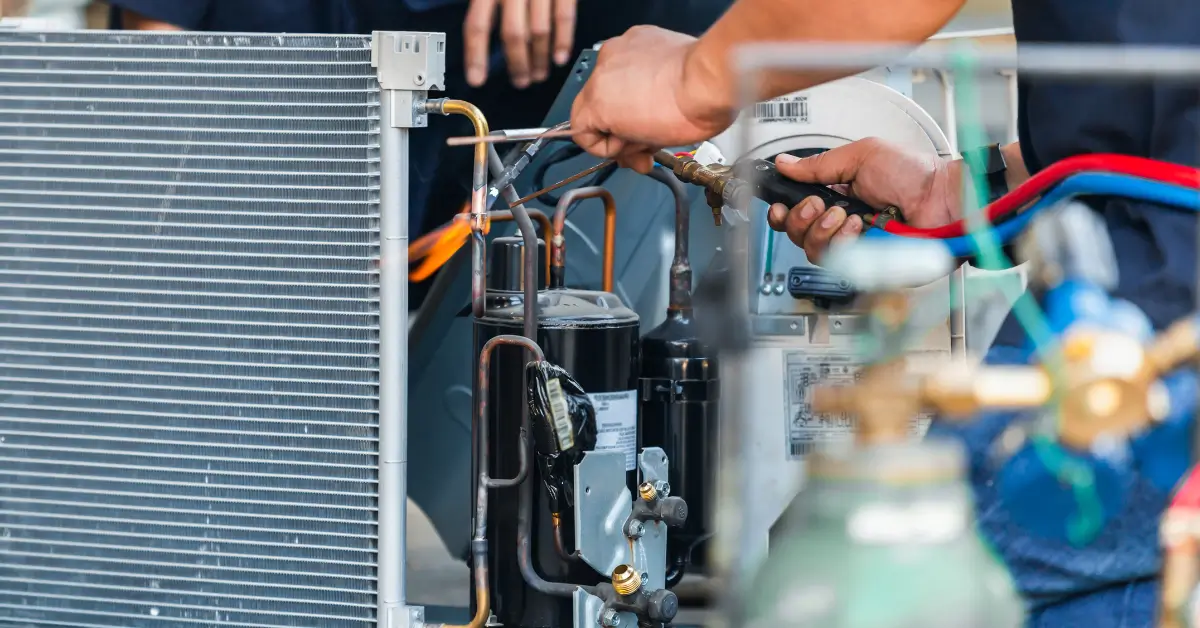
Replacing an HVAC system isn’t an everyday decision, but when the time comes, it’s one of the most impactful upgrades you can make for your home. Whether you’re tired of rising energy bills, constant repairs, or just want a more comfortable living space, we’re here to help. On this page, you’ll learn how to recognize when it’s time for an upgrade, explore your options, and discover what to expect during the process. Additionally, understanding HVAC installation costs can help you budget effectively for this significant home upgrade. Let’s dive in and get you on the path to a more efficient and reliable HVAC system.
Understanding Your HVAC System
What is an HVAC System?
An HVAC unit isn’t just a box that heats or cools your home—it’s the backbone of your indoor comfort. It works by maintaining the perfect balance of temperature, humidity, and air quality. Think of it as the respiratory system of your house, bringing in clean air, filtering out pollutants, and ensuring every corner of your home feels just right.
A standard HVAC system includes three key components:
Heating Unit: Often a furnace or a heat pump, this keeps you warm during those chilly winter months.
Cooling Unit: Your air conditioner or heat pump kicks in to keep things cool when temperatures rise.
Ventilation System: Ducts or vents circulate air throughout your home, ensuring consistent comfort.
With options powered by electricity, gas, or oil, HVAC systems are designed to meet the unique needs of every home and climate.
Signs It’s Time to Replace Your HVAC System
Age of the System
Is your HVAC system getting up there in years? Most systems have a lifespan of 10-20 years, depending on the brand and how well they’ve been maintained. If your system is closer to 15-20 years old, even if it’s still running, it’s likely costing you in efficiency and repair bills. Today’s systems are far more advanced, offering better energy savings and performance than older models ever could.
Increased Energy Bills
Have you noticed your energy bills creeping higher even though your usage hasn’t changed? This could be a sign that your HVAC system is working overtime to keep up. As systems age, they lose efficiency, which means higher energy consumption and bigger utility bills. Switching to a modern, energy-efficient system with a high SEER (Seasonal Energy Efficiency Ratio) rating can greatly reduce your energy bills while maintaining a comfortable environment in your home.
Frequent Repairs
It’s frustrating—and expensive—to deal with constant HVAC repairs and breakdowns. If you feel like you’re always calling the repair technician, it’s worth considering the $5,000 rule. Multiply the age of your system by the repair cost. If the result is more than $5,000, it’s usually more cost-effective to replace the unit altogether.
HVAC Replacement Options
Air Conditioner Replacement
If your heating system is still in good shape and performing efficiently, replacing just the air conditioning system might be the most cost-effective and practical solution for your home. By focusing on the cooling component, you can upgrade to a more modern, energy-efficient air conditioner that enhances comfort during the warmer months. Today’s air conditioners are designed with advanced features like smart sensors that adjust cooling based on your preferences and activity levels, ensuring optimal comfort while reducing energy waste.
Additionally, many new models include programmable thermostats, allowing you to set cooling schedules tailored to your lifestyle, such as lowering the temperature during the day when you’re at home and raising it when you’re away. High SEER (Seasonal Energy Efficiency Ratio) ratings are another key benefit, as they indicate superior energy efficiency, which translates to lower electricity bills and a reduced environmental footprint. Some units even come equipped with smart technology for remote control and integration with home automation systems, making it easier than ever to manage your home’s cooling.
By choosing a replacement air conditioner with these features, you not only improve your home’s comfort and energy efficiency but also potentially increase its resale value. It’s important to work with a trusted HVAC professional to assess your current heating system’s condition and ensure compatibility with the new air conditioning unit, guaranteeing a seamless and effective upgrade.
Heat Pump Replacement
Heat pumps are a highly versatile and efficient option for managing your home’s temperature year-round, offering both heating and cooling in one convenient system. They work by transferring heat rather than generating it, making them more energy-efficient than traditional furnaces and air conditioners. This makes them an excellent choice for homes in milder climates, where temperatures rarely reach extremes, although modern advancements have improved their effectiveness in colder climates as well. By using a single system for both heating and cooling, heat pumps simplify maintenance and reduce the need for separate equipment.
Modern heat pumps with inverter technology provide even greater efficiency and comfort. This advanced feature allows the system to adjust its output continuously based on your home’s specific needs, resulting in quieter operation, less energy consumption, and more consistent indoor temperatures. Unlike systems that constantly turn on and off, inverter-driven heat pumps maintain a steady performance, extending the life of the unit while keeping your utility bills lower.
Many new heat pump models also include smart technology, such as Wi-Fi connectivity and programmable settings, giving you greater control over your system. These features let you optimize energy use and adjust your home’s comfort levels remotely. Choosing an energy-efficient model can also qualify you for rebates or tax credits, making a heat pump a cost-effective and eco-friendly investment. For the best results, consult with an experienced HVAC professional to ensure you select a model suited to your home’s size, local climate, and specific needs.
Ductless Split AC Replacement
Ductless split AC systems are a fantastic option for homes without existing ductwork or for those looking to cool specific rooms or areas independently. If your current ductless split AC system is aging, inefficient, or no longer meeting your cooling needs, it might be time to consider a replacement.
When evaluating whether to replace your ductless split AC system, consider its age, efficiency, and the energy costs associated with running it. Modern ductless systems are designed to be more energy-efficient, which can lead to significant savings on your cooling costs. Additionally, newer models often come with advanced features like smart sensors and remote controls, enhancing both comfort and convenience.
The cost of replacing a ductless split AC system can vary widely based on the size, brand, and features of the new system. On average, you can expect to spend between $1,000 to $3,000, including installation. However, this cost can fluctuate depending on your specific requirements and the complexity of the installation.
When selecting a new ductless split AC system, prioritize energy efficiency and cooling capacity. Look for models with high SEER ratings and features that align with your lifestyle, such as programmable settings and smart home compatibility. It’s also crucial to choose a reputable HVAC company to ensure proper installation and maintenance, which will help maximize the lifespan and performance of your new system.
Factors Affecting HVAC System Cost
Local Climate Conditions
Your local climate plays a big role in choosing the right HVAC system. In hot, humid areas, you’ll need a cooling system with a high SEER rating to handle the heat. If you live in a colder climate, look for heating systems with a high AFUE (Annual Fuel Utilization Efficiency) rating to maximize efficiency during the winter months.
Home Age and Construction
Your local climate plays a big role in choosing the right HVAC system. In hot, humid areas, you’ll need a cooling system with a high SEER rating to handle the heat. If you live in a colder climate, look for heating systems with a high AFUE (Annual Fuel Utilization Efficiency) rating to maximize efficiency during the winter months.
Additional Installation Considerations
Ductwork Replacement: When considering HVAC installation, if your ducts are leaky, damaged, or inefficient, replacing them can make a huge difference in your system’s performance.
Smart Thermostats: A smart thermostat is a small investment with big returns, giving you more control over your system and helping you save energy.
Smart Thermostats and Accessories
Upgrading to smart thermostats and accessories can significantly enhance the performance and efficiency of your HVAC system. These intelligent devices learn your temperature preferences, adjust settings automatically, and provide real-time energy usage data, helping you save on heating and cooling costs.
When considering smart thermostats and accessories, it’s essential to evaluate their compatibility with your existing HVAC system, as well as the features and energy efficiency they offer. Modern smart thermostats come with a range of functionalities, including geofencing, smart scheduling, and remote control via smartphone apps. These features allow you to optimize your home’s comfort while minimizing energy consumption.
The cost of smart thermostats can vary, typically ranging from $100 to $300, depending on the brand and features. Additional accessories, such as sensors and remote controls, can cost between $50 to $200. While these devices represent an upfront investment, the long-term savings on your energy bills can make them well worth the cost.
When selecting smart thermostats and accessories, consider models that offer the best integration with your HVAC system and provide the features that matter most to you. It’s also important to work with a reputable HVAC company to ensure proper installation and integration of these devices. A professional installation can help you get the most out of your new smart technology, ensuring it works seamlessly with your existing system.
By incorporating these advanced technologies, you can take greater control of your home’s heating and cooling, leading to a more comfortable and energy-efficient living environment.
Repair or Replace? Let’s Crunch the Numbers
The $5,000 Rule
Not sure whether to repair or replace your HVAC system? The $5,000 rule is a handy guideline. Multiply your system’s age by the cost of the repair. If the number is under $5,000, repair might be worth it. If it’s over, replacement is likely your better option. This simple formula takes the guesswork out of your decision.
Finding a Professional
How to Find a Reliable HVAC Contractor
Choosing the right contractor is critical for a successful installation. Look for NATE-certified professionals with strong online reviews and proper licensing. Don’t be afraid to ask for multiple quotes—this helps you compare prices and ensures you’re getting the best value for your investment. Understanding HVAC replacement cost is crucial when comparing quotes from different contractors.
HVAC Systems Financing Options
Replacing an HVAC system is a significant expense, but there are ways to make it more affordable. Many HVAC companies offer financing plans to spread out the cost, and you may qualify for rebates or tax credits for energy-efficient upgrades. It’s always worth checking with your utility company or state energy program for additional incentives.
Final Considerations
Energy Efficiency and Savings
Replacing your HVAC system is an investment, but it pays off in the long run. Modern systems are designed to use less energy, saving you money month after month. Features like programmable thermostats, variable-speed motors, and smart technology give you more control over your home’s comfort and energy use.
An electric furnace can be a cost-effective and energy-efficient heating solution for homes without access to natural gas.
Warranties and Maintenance
When shopping for a new HVAC system, prioritize models that come with solid warranties. A good warranty can save you money and stress down the road. Additionally, consider signing up for a maintenance plan with your HVAC contractor. Regular tune-ups keep your system running smoothly and help prevent costly breakdowns. For instance, a gas furnace often comes with specific warranty terms that can save you money and stress down the road.
If you’re considering replacing your HVAC system, contact us at Extreme Heating & Air Conditioning and Electrical Services and Electrical Services. Our experts are here to guide you through the process and help you make the best decision for your home.