With winter just beginning, many homeowners are turning on their heating systems and hoping they’re up to the task of keeping the cold at bay. A well-maintained heating system can save energy, avoid unexpected breakdowns, and spare you costly repairs. In this article, we’ll share essential tips to ensure your system is ready for the season, such as scheduling a professional inspection and replacing or cleaning filters. By taking these steps, you can keep your home warm and cozy throughout the winter.
Schedule a Professional Heating System Inspection
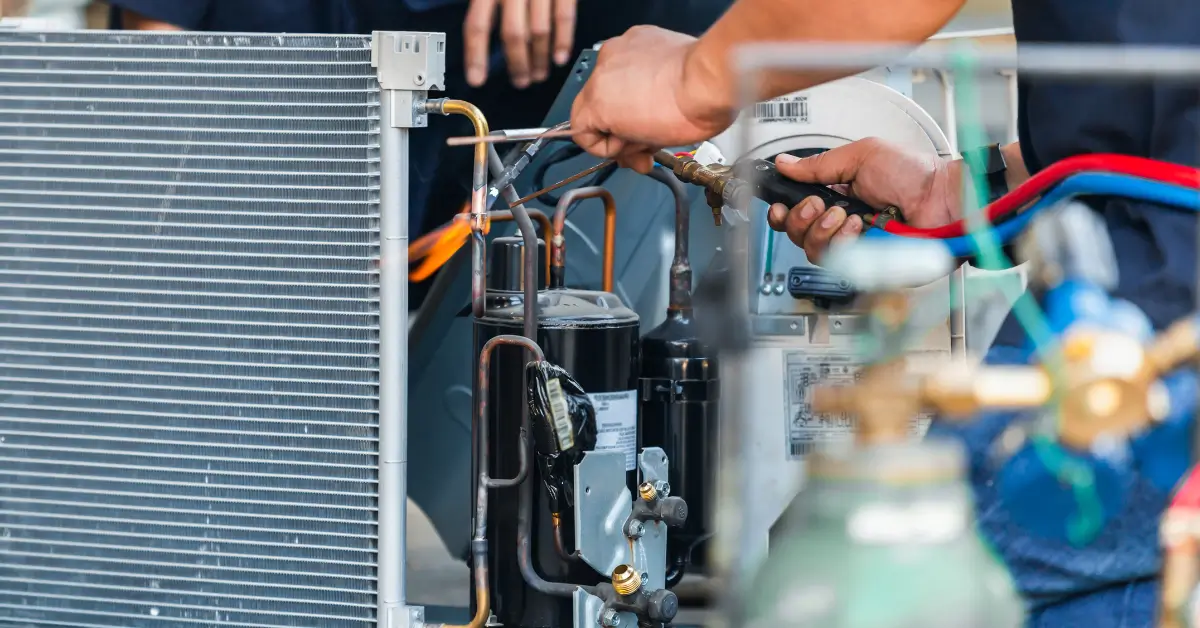
To ensure your heating system is ready for winter, schedule a professional inspection with a certified HVAC technician offering heating services. This visit will help identify any issues with your boiler or furnace, allowing you to address them promptly. Regular maintenance, including vacuuming and checking for combustion risks, is essential for safe and efficient operation. contact us.
Arrange a Visit From a Certified HVAC Technician
Arranging a visit from a certified HVAC technician is a crucial step in preparing your heating system for winter. During this inspection, the technician will conduct thorough troubleshooting to identify any potential issues, such as problems with the boiler or furnace. They will also check for carbon monoxide leaks, ensuring your home remains safe and compliant with warranty requirements, while also inspecting the condenser and other components for optimal performance.
Address Any Identified Issues Promptly
When your HVAC technician identifies issues during the inspection, addressing them promptly is essential to prevent further complications. Delaying necessary heating repairs can lead to increased wear and tear on your system, potentially resulting in costly water damage or even dangerous carbon monoxide leaks. By replacing the air filter and fixing any identified problems quickly, you ensure your heating system operates efficiently and safely throughout the winter months.
Replace or Clean Heating System Filters
To maintain optimal heating efficiency, start by determining the appropriate filter type for your system. Regularly replacing or cleaning filters helps reduce soot, mold, and particulates in the air, ensuring a healthier environment. Setting a maintenance schedule aligns with your programmable thermostat, keeping your home at a comfortable room temperature throughout winter.
Determine the Appropriate Filter Type for Your System
To determine the appropriate filter type for your heating system, you should first check the specifications of your unit. Look for filters that effectively capture carbon particles and other contaminants, as this will help maintain air quality and system efficiency. Additionally, ensure that the filter fits properly to prevent leaks, which can compromise the heat exchanger and lead to drainage issues or chimney blockages, ultimately affecting your heating performance during the winter months.
Set a Regular Schedule for Filter Maintenance
Setting a regular schedule for filter maintenance is essential to prevent wear on your heating system and ensure optimal performance. By checking and replacing or cleaning your filters regularly—typically every one to three months, depending on usage and household conditions—you can improve air quality and ensure your heating system runs efficiently. Homes with pets or allergies may require more frequent filter changes. This proactive approach not only enhances efficiency but also helps maintain a comfortable environment in your attic and throughout your living spaces during the winter months.
Test Your Thermostat for Proper Functionality
Start by checking your thermostat settings and responsiveness to ensure your heating system operates efficiently. If you have a heat pump or radiator system, confirm that the thermostat accurately reflects the desired temperature. Consider upgrading to a programmable thermostat for enhanced efficiency, which can help reduce dander and improve overall HVAC maintenance.
Check Thermostat Settings and Responsiveness
To ensure your heating system operates at peak efficiency, start by checking your thermostat settings and responsiveness. Make sure the thermostat accurately reflects your desired temperature and responds promptly to adjustments. If you notice any dirt buildup or malfunction, consider consulting an HVAC specialist for a thorough inspection, as they can help you with heater maintenance and recommend solutions, such as caulking around windows and doors to prevent heat loss.
Upgrade to a Programmable Thermostat for Efficiency
Upgrading to a programmable thermostat can significantly enhance the efficiency of your central heating system. This device allows you to set specific heating schedules, ensuring that your home remains warm when you need it while saving energy when you’re away. By reducing dust and allergens in the air, a programmable thermostat not only helps maintain a comfortable environment but also minimizes the workload on your HVAC system, allowing your HVAC technician to focus on other essential maintenance tasks, such as checking the flame and overall system performance.
Inspect and Seal Air Ducts for Efficiency
Start by looking for visible leaks or damaged ductwork that can hinder airflow in your heating system. Sealing these gaps with appropriate duct sealing materials is essential for effective heating system maintenance. This process not only improves efficiency but also helps protect your home warranty by reducing the need for furnace repair due to system strain.
Look for Visible Leaks or Damaged Ductwork
During your inspection, pay close attention to visible leaks or damaged ductwork, as these issues can significantly impact your heating system’s efficiency. Check areas like the crawl space and around the flue for any signs of wear or gaps that could hinder proper ventilation. Addressing these leaks not only improves your heating performance but also supports overall water heater maintenance by ensuring that your system operates smoothly and effectively throughout the winter months.
Seal Gaps With Appropriate Duct Sealing Materials
Sealing gaps in your ductwork is a vital step in effective heating system maintenance. Using appropriate duct sealing materials, such as mastic sealant or metal tape, can significantly improve your furnace’s efficiency by preventing heated air from escaping. This not only enhances your comfort but also reduces the need for frequent HVAC repair, ensuring your thermostat maintains the desired temperature without overworking your system.
Clean and Clear Vents and Registers
To maintain optimal indoor air quality and ensure your heating system operates efficiently, pay attention to cleaning and clearing your vents and registers. Start by removing dust and debris from all vents, as this can significantly impact airflow. Additionally, ensure that furniture isn’t blocking airflow, which can strain your system and affect its performance. These simple steps are essential for effective HVAC preventative maintenance.
Remove Dust and Debris From All Vents
To ensure your heating system operates efficiently this winter, it’s essential to remove dust and debris from all vents. Blocked ducts can restrict airflow, causing your pump to work harder and potentially leading to increased energy costs. Regularly cleaning your vents not only improves air circulation but also helps maintain a steady pilot light, ensuring your heating system runs smoothly and effectively throughout the colder months.
Ensure Furniture Isn’t Blocking Airflow
To ensure your heating system operates efficiently, check that furniture isn’t blocking any vents or registers. When furniture obstructs airflow, it can cause your heating system to work harder, leading to increased energy costs and uneven heating throughout your home. By rearranging furniture or using vent covers, you can promote better airflow, helping your system maintain a comfortable temperature during the winter months.
Prepare Backup Heating Options for Emergencies
Explore alternative heating sources to ensure your home stays warm during unexpected outages. Keeping emergency supplies accessible and ready, such as blankets and portable heaters, can make a significant difference. These preparations will help you maintain comfort and safety, even when your primary heating system faces challenges.
Explore Alternative Heating Sources Available
When preparing for winter, consider exploring alternative heating sources to ensure your home remains warm during unexpected outages. Options such as portable electric heaters or propane heaters can provide immediate warmth and comfort. Additionally, having extra blankets and warm clothing on hand can help you stay cozy while you wait for your primary heating system to be restored, ensuring you are ready for any heating emergencies that may arise.
Keep Emergency Supplies Accessible and Ready
To ensure your home remains warm during unexpected outages, keep emergency supplies accessible and ready. Stock up on essentials like blankets, flashlights, and portable heaters, so you can quickly respond to heating emergencies. By preparing these items in advance, you can maintain comfort and safety, even if your primary heating system encounters issues this winter.
Conclusion
Preparing your heating system for winter is essential to ensure safety, efficiency, and comfort in your home. Regular inspections by certified HVAC technicians can identify and address potential issues before they escalate. Maintaining clean filters and sealing air ducts enhances airflow and reduces energy costs. By taking these proactive steps, you can enjoy a warm and worry-free winter season.