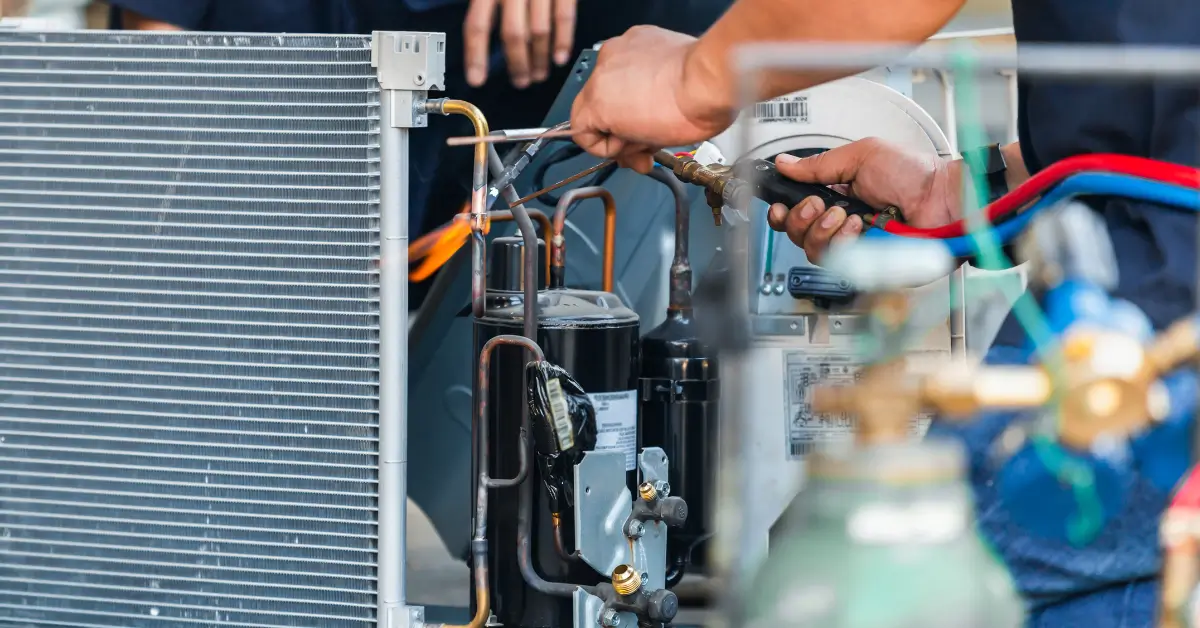
Are you unsure about the best residential heating and cooling systems for your home? With so many options available, it can be challenging to choose the right one. This article will explore traditional heating options like furnaces and boilers, evaluate renewable heating solutions such as ground source heat pumps, and discuss the importance of maintaining your heating system with tips and cost considerations. By understanding these options, you can make informed decisions that enhance comfort and efficiency while addressing common issues like high energy bills and inadequate heating.
Exploring Traditional Heating Options Including Furnaces and Boilers
Furnaces and boilers are two traditional heating options that play a crucial role in keeping your home warm. Understanding how furnaces provide warmth in rooms can help you appreciate their efficiency. Additionally, discovering the heating benefits of boiler systems will highlight their effectiveness in maintaining comfort. Both options are essential for Heating Services, home repair and utility management, ensuring a cozy environment during colder months.
Understanding How Furnaces Provide Warmth in Homes
Furnaces are a popular choice for home Heating Services, providing warmth through a process that involves heating air and distributing it throughout your living space. With a focus on annual fuel utilization efficiency (AFUE), you can ensure that your furnace operates effectively, maximizing energy use while minimizing costs. As an owner, understanding how your furnace works can help you address common issues, such as allergens in the air, by ensuring that your system is well-maintained and equipped with proper filters to improve indoor air quality. Contact Us
Discovering Heating Benefits of Boiler Systems
Boiler systems offer several heating benefits that can enhance your home’s comfort and efficiency. These systems utilize water to distribute heat through radiators, providing a consistent and gentle warmth that can be more comfortable than forced air systems. With a focus on the heating seasonal performance factor (HSPF), you can evaluate the efficiency of your boiler, ensuring it meets your heating needs while minimizing energy costs. Additionally, if you are considering an electric heating system for your house, a boiler can be a reliable option, especially when paired with a condenser for improved performance and energy savings.
Choosing Energy-Efficient Heating Solutions for Your Home
Identifying high-efficiency heating systems is essential for maximizing energy savings in your home. You will learn how to compare Energy Star ratings to make optimal heating choices that reduce greenhouse gas emissions. Additionally, exploring options like propane, duct systems, and geothermal energy will provide insights into effective water heating solutions that enhance comfort while being environmentally friendly.
Identifying High-Efficiency Heating Systems for Energy Savings
When identifying high-efficiency heating systems for energy savings, consider options that minimize pollution and enhance comfort. Systems that utilize liquid refrigerants and advanced compressors can significantly reduce energy consumption while maintaining optimal humidity levels in your home. By choosing environmentally friendly solutions, you not only lower your utility bills but also contribute to a healthier planet, making your home a more sustainable place to live.
Comparing Energy Star Ratings for Optimal Heating Choices
When comparing Energy Star ratings, you can identify the best electric heating systems for homes that not only provide comfort but also reduce greenhouse gas emissions. For instance, an air source heat pump can be an excellent choice, as it efficiently transfers heat and can work well with solar power systems to enhance energy savings. By focusing on ventilation and the overall efficiency of your heating system, you can make informed decisions that align with your environmental goals while ensuring a cozy living space.
Evaluating Renewable Heating Options Such as Solar and Geothermal
Exploring solar heating systems offers an eco-friendly approach to warmth, utilizing renewable energy to reduce reliance on natural gas. Understanding geothermal heating reveals its environmental benefits, making it a sustainable choice among house heating types. Both options provide practical insights into efficient heating solutions, including the best electric heated floor systems and heat pumps, enhancing your home’s comfort and sustainability.
Exploring Solar Heating Systems for Eco-Friendly Warmth
Exploring solar heating systems can significantly enhance your home’s energy efficiency while utilizing renewable solar energy. These systems capture sunlight to provide warmth, reducing your reliance on traditional heating methods like furnaces or kerosene heaters. By investing in solar heating, you can minimize the risk of leaks associated with conventional systems and lower your overall heating costs, making it a practical choice for eco-conscious homeowners.
Understanding Geothermal Heating and Its Environmental Benefits
Understanding geothermal heating can significantly impact your home’s energy efficiency and reduce your carbon footprint. This system utilizes the stable temperature of the earth to provide consistent warmth, making it a reliable alternative to traditional electric heating systems for homes. By harnessing this renewable energy source, you not only lower your heating costs but also contribute to a decrease in carbon emissions, promoting a healthier environment for future generations.
Selecting the Right Heating Fuel Among Gas, Oil, or Electricity
When selecting the right heating fuel for your home, it’s essential to compare heating fuel costs for gas, oil, and electricity. You will also assess fuel availability and convenience to ensure your system meets your needs. Understanding these factors will help you make informed decisions about your heating options, including the use of refrigerants, wood, and ceiling systems to prevent freezing temperatures.
Comparing Heating Fuel Costs for Gas, Oil, and Electricity
When comparing heating fuel costs for gas, oil, and electricity, it’s essential to consider not only the price per unit but also the overall consumption of your heating system. For instance, a boiler heating system for your house may have different operational costs depending on the fuel type you choose. Understanding the efficiency of your electrical wiring and how it impacts energy use can help you make informed decisions that align with your budget and comfort needs.
Assessing Fuel Availability and Convenience for Your Home
When assessing fuel availability and convenience for your home, consider the accessibility of gas, oil, and electricity in your area. Each fuel type has its own advantages; for instance, natural gas often provides a reliable heating element with efficient combustion, while electricity can be easily controlled through a thermostat for precise temperature management. Regular HVAC inspections can help you determine which option best suits your needs, ensuring that your heating system operates effectively and efficiently throughout the colder months.
Comparing Centralized and Localized Heating Systems in Homes
Centralized heating systems offer significant benefits for households, including efficient heat distribution and improved building insulation. In contrast, localized heating options, such as baseboard heaters and heat exchangers, provide targeted warmth and flexibility. Understanding these advantages will help you make informed decisions about heating oil usage and adapt to climate change challenges effectively.
Examining Benefits of Central Heating Systems for Households
Central heating systems provide a reliable and efficient way to heat your home, ensuring consistent warmth throughout all rooms. By utilizing a network of pipes to distribute heated air or water, these systems minimize the risk of hazards associated with localized heating options, such as space heaters, which can pose fire risks if not monitored. With central heating, you can enjoy the convenience of electric heating that maintains a comfortable environment while reducing energy costs and improving overall safety in your household.
Understanding Advantages of Localized Heating Options
Localized heating options, such as electric boilers for home heating, provide targeted warmth that can be more efficient for specific areas of your home. This flexibility allows you to heat only the rooms you use, reducing energy waste and lowering your utility bills. Additionally, systems like the best split unit AC and heat can serve dual purposes, offering both cooling and heating solutions, making them a practical choice for year-round comfort while ensuring your heating system operates effectively when needed.
Maintaining Your Heating System With Tips and Cost Considerations
Implementing regular maintenance for your heating system is essential for maximizing efficiency and minimizing waste. This includes checking your oil and coal systems, ensuring your chimney is clear, and maintaining indoor air quality. Additionally, estimating the operating costs of different heating systems will help you make informed decisions about your home’s heating options. These insights will guide you in maintaining a comfortable and cost-effective environment.
Implementing Regular Maintenance for Heating Efficiency
Implementing regular maintenance for your heating system is essential to ensure optimal performance and efficiency. By routinely checking filters and cleaning dust from vents, you can significantly reduce the risk of allergens and improve indoor air quality. Additionally, monitoring the seasonal energy efficiency ratio (SEER) of your system will help you maintain effective temperature control, ensuring that every room, including your bathroom, remains comfortable throughout the colder months.
Estimating Operating Costs of Different Heating Systems
Estimating the operating costs of different heating systems is essential for managing your home’s budget effectively. For instance, if you rely on a stove for heating your basement, you should consider the fuel type and efficiency, as these factors can significantly impact your monthly expenses. Additionally, understanding the wear and tear on various house heating system types can help you anticipate maintenance costs, ensuring that your investment remains efficient and cost-effective over time.
Conclusion
Understanding home heating options is essential for creating a comfortable and energy-efficient living environment. By exploring traditional systems like furnaces and boilers, as well as renewable solutions such as solar and geothermal, you can make informed decisions that align with your needs and budget. Evaluating fuel types and maintenance practices further enhances your ability to optimize heating efficiency and reduce costs. Prioritizing these insights empowers you to maintain a cozy home while contributing to a more sustainable future.