Introduction
It’s a humid July evening in Ashland. You’ve just put the kids to bed when you realize the house is getting warmer—fast. Your air conditioner has stopped blowing cold air. Or perhaps it’s a frigid January morning and the furnace is suddenly blowing cold air or not turning on at all. HVAC emergencies happen at the worst times and can cause panic, discomfort and even safety hazards.
In these moments, knowing what to do and who to call makes all the difference. This guide explains what qualifies as an HVAC emergency, what steps to take before you call for help and what to expect from emergency service. Extreme Heating & Air Conditioning and Electrical Services provides 24/7 emergency repairs in Ashland, Kentucky and the surrounding tri‑state area, so you’re never left without comfort.
What Constitutes an HVAC Emergency?
An HVAC emergency is any situation where the failure of your heating or cooling system poses an immediate threat to your health, safety or property. Examples include:
- Complete loss of heating during freezing weather – Without heat, pipes can freeze and burst, and occupants can face hypothermia.
- Air conditioner failure during extreme heat – High temperatures combined with humidity can lead to heat exhaustion or exacerbate medical conditions, particularly for young children and the elderly.
- Electrical burning smells or smoke – This could indicate an electrical short, overheating motor or failing component. Turn off the system and call a professional immediately.
- Gas odors or suspected carbon monoxide leaks – If you smell gas (rotten egg odor) or your carbon monoxide detector goes off, leave the house immediately and call emergency services and your gas company.
- Water leaks or frozen coils that threaten property damage – Leaking condensate can damage flooring and ceilings, while ice buildup can crack coils and refrigerant lines.
Less urgent issues—such as uneven temperatures or mild noises—can usually wait for a regular service appointment. However, if you’re uncertain whether your problem is an emergency, it’s better to call and get professional advice than to risk damage or discomfort.
Steps to Take Before Calling
Before picking up the phone, take a moment to perform a few checks. These steps might resolve minor issues or prevent further damage:
- Check the thermostat – Ensure it’s set to “cool” or “heat” and that batteries (if used) are fresh. Confirm that the temperature setting is below (for cooling) or above (for heating) the current room temperature.
- Inspect the circuit breakers – A tripped breaker can cut power to the furnace or AC. Reset the breaker if it has tripped. If it trips again immediately, leave it off and call a professional.
- Change or clean the filter – A severely clogged filter can cause the system to shut down as a safety measure. Replace the filter and see if the system resumes normal operation.
- Check for blocked vents – Ensure supply and return vents are open and unobstructed by furniture or curtains.
- Look for ice on the outdoor unit – If the outdoor unit is encased in ice, turn the system off and switch the fan to “on” to help thaw the coil. Wait for the ice to melt before restarting.
- Listen for unusual noises – Popping, hissing or grinding noises can provide clues for your technician.
If these steps don’t resolve the issue or if you detect signs of a serious problem (e.g., burning smell, gas odor), call for emergency service right away.
What to Expect When You Call
When you call Extreme Heating & Air Conditioning and Electrical Services’ emergency service line, you’ll speak with a live dispatcher trained to handle urgent situations. They’ll ask questions to understand the problem, such as:
- What type of system do you have (furnace, air conditioner, heat pump, ductless unit)?
- What symptoms are you experiencing (e.g., no heat, no cooling, unusual sounds, leaks)?
- Have you checked the thermostat and breakers?
- Are there any smells of gas or burning?
- Do you have young children, elderly occupants or medical conditions that make immediate comfort critical?
Based on your responses, the dispatcher will determine the urgency and dispatch the closest available technician. You’ll be given an estimated arrival window. In many cases, our technicians can arrive within hours, even at night or on weekends. We understand that comfort and safety can’t wait.
On‑Site Diagnosis and Repair

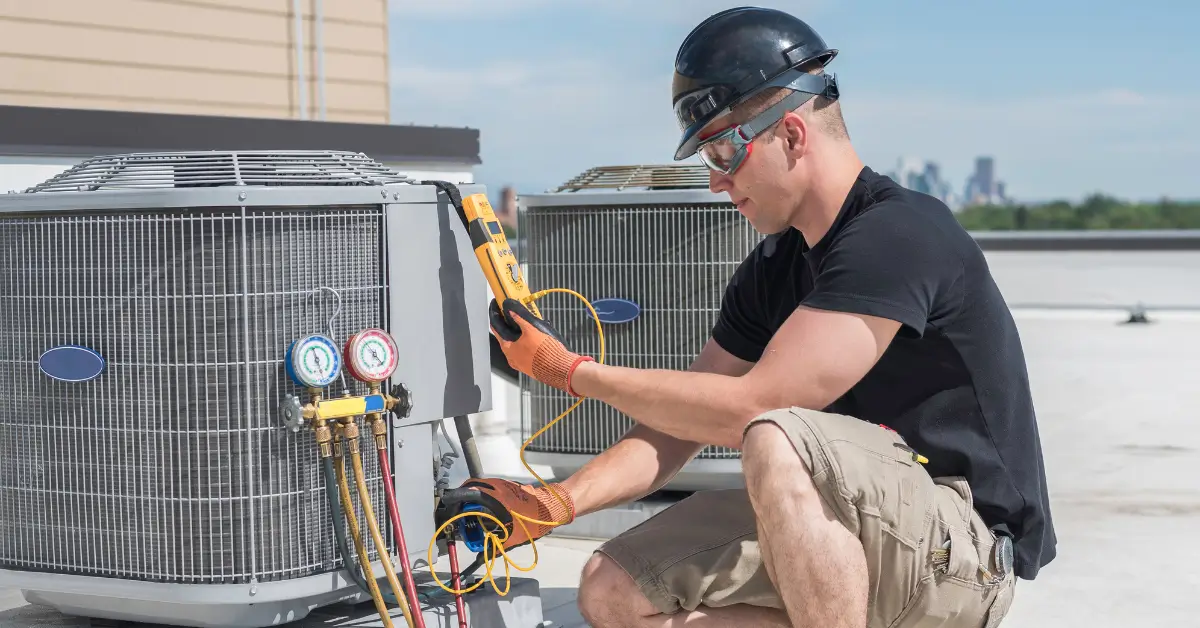
When the technician arrives, they’ll introduce themselves, review the issue and begin diagnosis. This may involve:
- Checking electrical connections and measuring voltage/current.
- Testing thermostat functionality and communication with the control board.
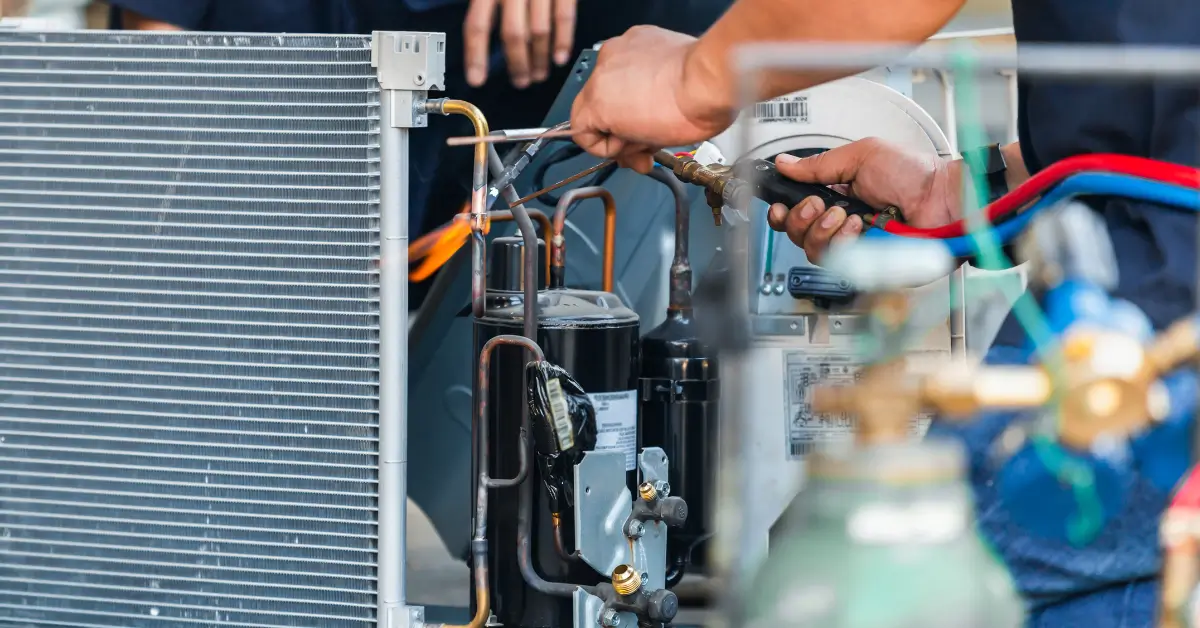
- Inspecting refrigerant levels and looking for leaks.
- Examining motors, capacitors, contactors and other components for failure.
- Assessing airflow, filters and ductwork.
Once the problem is identified, the technician will explain your options. Sometimes a quick fix—such as replacing a capacitor, cleaning a flame sensor or topping up refrigerant—can get your system running again immediately. In other cases, a major part like a compressor or blower motor may need replacement. If the part isn’t readily available, the technician might perform a temporary repair or provide portable cooling/heating solutions while ordering the necessary component.
You’ll receive a written estimate before any work begins. Our goal is transparency: you’ll know what’s wrong, what it will cost and how long it will take to repair.
Costs and After‑Hours Fees
Emergency HVAC services typically cost more than regular service calls. After‑hours rates reflect the premium placed on technician availability, travel and parts acquisition outside normal business hours. However, these charges are often small compared with the cost of potential damage (such as burst pipes) or the health risks of extreme temperatures.
Extreme Heating & Air Conditioning and Electrical Services strives to keep emergency rates reasonable and transparent. We offer flat‑rate pricing so you aren’t surprised by time‑based charges. Membership plans can include discounted emergency fees and priority scheduling.
Preventing Future Emergencies
While emergencies can’t always be avoided, regular maintenance reduces their likelihood. The EPA notes that preventive HVAC maintenance improves indoor air quality and can save 5%–15% of total building energy costs. By scheduling twice‑a‑year tune‑ups, you ensure components are cleaned, lubricated and inspected. Technicians can catch worn parts, refrigerant leaks and electrical issues before they cause a breakdown.
Additional preventive measures include:
- Replacing filters regularlyenergy.gov.
- Keeping outdoor units clear of debris and vegetation.
- Ensuring proper thermostat programming to avoid excessive cycling.
- Addressing minor issues promptly instead of waiting for them to worsen.
Conclusion
HVAC emergencies are stressful, but knowing what to expect can provide peace of mind. If your heating or cooling system fails unexpectedly, first perform a few basic checks: verify thermostat settings, reset the breaker, change the filter and look for obvious issues. For serious problems—no heat in winter, no cooling in summer, electrical smells or gas odors—call Extreme Heating & Air Conditioning and Electrical Services immediately. Our 24/7 emergency service ensures that a trained technician will arrive quickly, diagnose the issue and provide a clear repair plan.
Save our number in your phone so you’re prepared for the unexpected. And remember: the best way to avoid emergencies is regular preventive maintenance. Contact Extreme Heating & Air Conditioning and Electrical Services today to schedule a tune‑up, learn about our service memberships and enjoy peace of mind all year long.