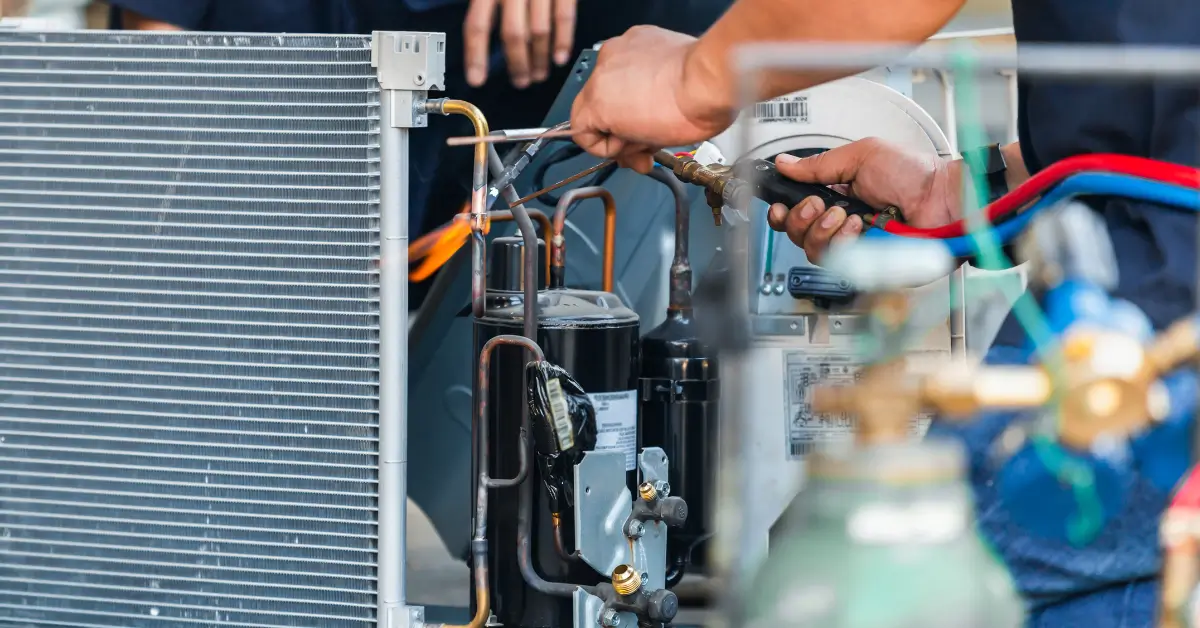
Maximizing Air Conditioner Efficiency Through Energy Audits

Are you tired of high energy bills and wondering how to improve your air conditioner’s efficiency? Many homeowners don’t realize that an energy audit can reveal hidden issues affecting your system’s performance. In this article, you’ll learn about the importance of air conditioner efficiency, how energy audits improve performance, and practical steps to conduct your own audit. By reading this, you’ll gain actionable insights to solve common problems like poor indoor air quality and increased operational costs, ultimately maximizing your air conditioner’s efficiency while potentially qualifying for tax credits.

Understanding the Importance of Air Conditioner Efficiency
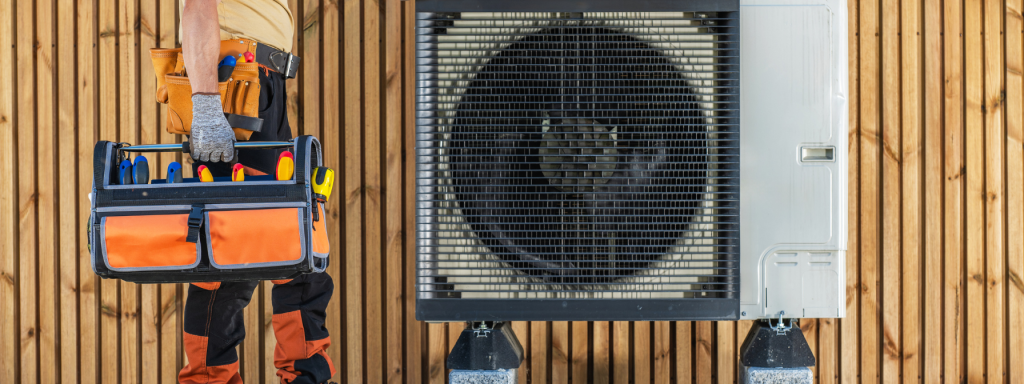
HVAC technician standing beside an outdoor air conditioning unit, holding a tool bag with essential repair tools. The image emphasizes professional HVAC maintenance, air conditioning repair services, and the importance of regular equipment servicing for optimal performance.

Air conditioner efficiency is crucial for effective home improvement and managing energy costs. Factors that influence your system’s performance include proper insulation with foam and caulk, which help minimize air leaks. Additionally, you’ll learn to recognize signs of inefficiency that may increase your risk of higher energy bills. Duct Cleaning Services Understanding these aspects can lead to smarter decisions about your cooling system.

Factors That Influence Air Conditioner Performance

As a property owner, understanding how various factors affect your air conditioner’s performance is essential for energy efficiency. For instance, leaks in your home’s insulation, particularly in the basement areas, can lead to significant energy loss, causing your system to work harder and consume more watts. By addressing these leaks and considering renewable energy solutions, you can enhance your system’s efficiency, ultimately lowering energy costs and reducing environmental impact.

Signs Your Air Conditioner May Be Inefficient

If your air conditioner is working harder than usual but providing less comfort, this is a sign of inefficiency. High energy consumption often leads to increased costs, especially if you’re using propane or electric backup systems for water heating. Additionally, if you notice a significant rise in your energy bills, it may be time for an energy audit to assess your system’s performance and identify issues that might be affecting efficiency, such as problems with your ceiling insulation or ductwork.

Impact of Inefficient Air Conditioners on Energy Bills

Inefficient air conditioners can significantly inflate your energy bills, compromising both your comfort and budget. When you rely on an air conditioner with a low Seasonal Energy Efficiency Ratio (SEER), you may find yourself spending more on cooling while receiving less effective temperature control. Incorporating energy conservation measures, such as upgrading to an Energy Star-rated system, can enhance efficiency and reduce long-term costs, allowing for better financial management in addition to improved comfort levels during hot seasons.

Introducing Energy Audits for Air Conditioners

Technician in a hard hat inspecting industrial pipes and valves in a mechanical room, recording notes on a clipboard. The image highlights professional maintenance, plumbing inspection, and HVAC system management in industrial or commercial facilities.

An energy audit evaluates your HVAC system’s efficiency, identifying areas for improvement that can lead to lower energy costs and enhanced comfort. Various types of energy audits, including infrared assessments, target insulation and system performance. Conducting an energy audit not only supports effective energy use but also aligns with green building practices, giving you practical solutions to optimize your air conditioner.

What Is an Energy Audit?

An energy audit is a comprehensive evaluation of your HVAC system that identifies inefficiencies and potential improvements. During this process, a professional often assesses areas like your door seals, thermostat settings, and insulation for leaks. This thorough examination can help you make informed decisions that ultimately lower your utility bills and even affect your tax return positively by taking advantage of energy efficiency incentives.

Types of Energy Audits Relevant to HVAC Systems

There are several types of energy audits relevant to HVAC systems that can help you identify inefficiencies and manage your expenses effectively. For example, a comprehensive audit may include building information modeling to visualize your home’s energy flow, enabling you to spot weaknesses in ventilation and insulation. Additionally, integrating renewable solutions, such as solar power, can further enhance energy efficiency, especially if your system includes a stove or other appliances that require substantial energy input.

Benefits of Conducting an Energy Audit for Your Air Conditioner

Conducting an energy audit for your air conditioner provides numerous benefits that can enhance efficiency and comfort in your home. By identifying issues such as improper pressure in your HVAC system or inefficiencies related to your boiler or fireplace, you can make targeted improvements that lower energy costs. Moreover, integrating renewable solutions like geothermal power into your system can further boost overall system performance, ensuring you get the most from your air conditioning investment.

How Energy Audits Improve Air Conditioner Efficiency
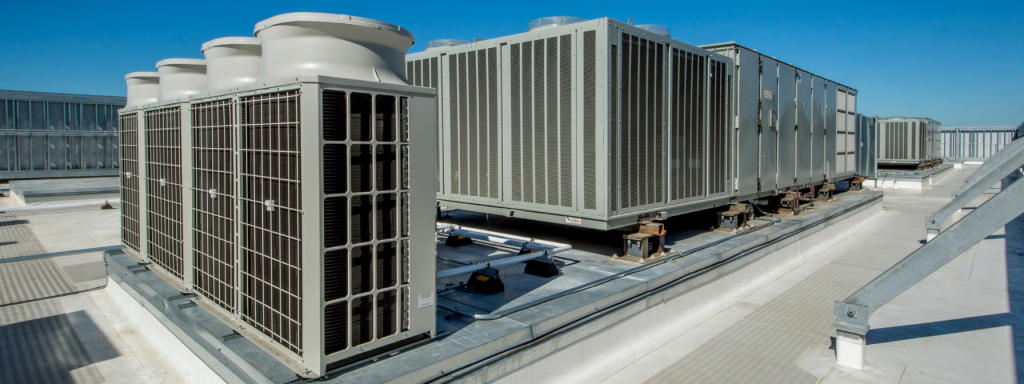
Commercial rooftop HVAC units installed on a building, showcasing large-scale industrial air conditioning systems. The image highlights energy-efficient climate control solutions and professional HVAC infrastructure for commercial properties.

Energy audits play a pivotal role in improving air conditioner efficiency. They help in identifying air leaks and ductwork issues, assess insulation effectiveness on cooling, evaluate thermostat performance and settings, and detect maintenance needs or potential system upgrades. Each of these areas contributes significantly to optimizing your HVAC system, ensuring proper function and reducing energy costs, as supported by the United States Department of Energy.

Identifying Air Leaks and Ductwork Issues

Identifying air leaks and ductwork issues is essential for maximizing your air conditioner’s efficiency. During an energy audit, a professional can pinpoint areas where air infiltration occurs, such as near your chimney or roof, which can compromise your system’s cooling capabilities. By addressing these leaks and ensuring proper refrigerant levels, you not only improve comfort but may also qualify for energy rebates based on enhanced performance and reduced energy consumption.

Assessing Insulation and Its Effect on Cooling

Assessing insulation is vital for improving your air conditioner’s efficiency and addressing your cooling needs. Proper insulation helps maintain a stable indoor temperature by preventing drafts from wind and ensuring optimal airflow throughout your home. An energy audit can reveal gaps or weaknesses in insulation that may necessitate repairs or upgrades, ultimately influencing the construction quality and price associated with your HVAC system’s overall performance.

Evaluating Thermostat Performance and Settings

Evaluating your thermostat’s performance and settings is crucial for maximizing air conditioner efficiency. A properly calibrated thermostat can significantly impact energy consumption, especially when using natural gas for heating or a gas stove for cooking. In an energy audit, professionals assess whether your thermostat correctly manages your furnace and air conditioning system, ensuring that it operates within its ideal range, minimizing unnecessary combustion and optimizing overall performance.

Detecting Maintenance Needs and System Upgrades

Detecting maintenance needs and system upgrades during an energy audit is essential to maximize your air conditioner’s efficiency. By thoroughly measuring the condition of components within the building envelope, you can identify areas requiring immediate attention, such as deteriorating insulation or outdated oil systems. Utilizing materials like spray foam can seal gaps effectively, leading to better energy conservation and compliance with Internal Revenue Service energy efficiency programs, ultimately saving you money on utility bills.

Steps to Conduct an Energy Audit on Your Air Conditioning System
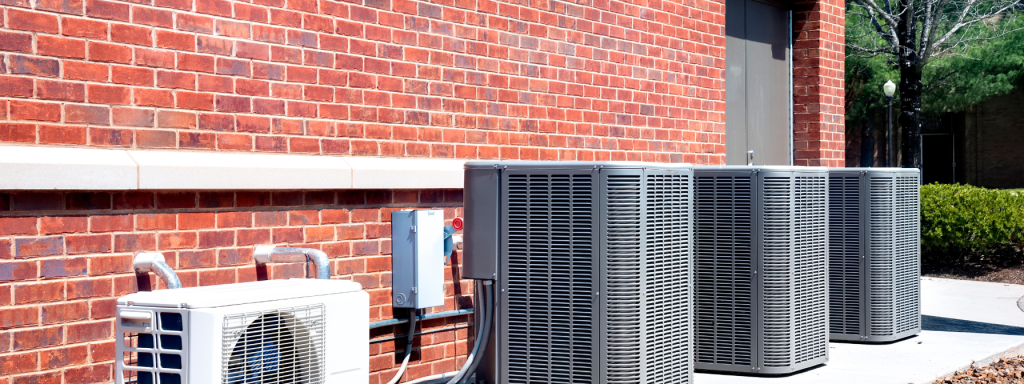
Outdoor air conditioning units installed along a red brick wall of a commercial building, illustrating HVAC solutions for efficient cooling in industrial or office settings. The image highlights energy efficiency and modern climate control systems.

Preparing for a professional energy audit is the first step to maximizing air conditioner efficiency. Understanding the audit report and recommendations will empower you to take informed actions. By focusing on inspection and considering services like Duct Cleaning and Generator Services, you can enhance your air conditioner’s performance. Contact Us to learn more about how our expertise can assist you.

Preparing for a Professional Energy Audit

Preparing for a professional energy audit is crucial to achieving optimal air conditioner efficiency. Start by gathering your utility bills from the past year to provide insights into your energy consumption patterns. Additionally, ensure that areas around your HVAC system are clear of any obstructions, allowing the auditor to thoroughly assess the equipment and identify potential improvements that could enhance your cooling performance.

Understanding the Audit Report and Recommendations

Understanding the audit report is essential for maximizing the efficiency of your air conditioning system. The report will highlight areas needing improvement, such as insulation gaps or inefficient ductwork, along with specific recommendations to address these issues. By following the guidance provided in the audit, you can implement practical solutions that lower your energy costs and enhance your cooling effectiveness.

Implementing Energy Audit Recommendations

Professional plumber inspecting and repairing pipes in a residential or commercial building, demonstrating skilled maintenance of water and heating systems. The image highlights plumbing services, pipe insulation, and regular system upkeep for optimal functionality.

Implementing energy audit recommendations is vital for maximizing your air conditioner’s efficiency. This includes sealing and insulating ductwork to prevent air loss, upgrading to energy-efficient air conditioning units for enhanced performance, and following regular maintenance practices to sustain efficiency. Additionally, utilizing smart thermostats and controls can optimize your system’s operation, contributing to lower energy costs and improved comfort.

Sealing and Insulating Ductwork

Sealing and insulating ductwork is essential for maximizing your air conditioner’s efficiency. By ensuring that ducts are properly sealed, you prevent conditioned air from escaping, which can lead to significant energy waste and higher utility bills. Proper insulation also helps maintain optimal temperature levels throughout your home, ultimately resulting in a more comfortable environment and reduced energy costs.

Upgrading to Energy-Efficient Air Conditioning Units

Upgrading to energy-efficient air conditioning units is a crucial step in maximizing your system’s performance and lowering energy bills. By choosing models with high Seasonal Energy Efficiency Ratios (SEER), you can achieve greater cooling power while using less energy. This not only enhances your comfort but also provides long-term savings, making it a smart investment for any property owner committed to improving energy efficiency.

Regular Maintenance Practices to Enhance Efficiency

Regular maintenance practices play a crucial role in enhancing your air conditioner’s efficiency. This includes changing filters regularly, checking refrigerant levels, and scheduling routine professional inspections to catch any potential issues early. By staying proactive with maintenance, you can ensure your system operates at optimal performance, ultimately leading to lower energy costs and improved comfort during the hot summer months.

Utilizing Smart Thermostats and Controls

Utilizing smart thermostats and controls can significantly enhance your air conditioner’s efficiency. These devices allow you to program your cooling schedule to match your lifestyle, reducing energy consumption when you are away from home. By monitoring temperature settings and usage patterns, smart thermostats can help ensure your HVAC system operates optimally, ultimately leading to lower energy costs and improved comfort.

Long-Term Benefits of Maximizing Air Conditioner Efficiency

Close-up of industrial HVAC system cooling fans, highlighting air conditioning maintenance, energy efficiency, and temperature regulation in commercial buildings. Image emphasizes the importance of regular HVAC upkeep for optimal performance.

Maximizing air conditioner efficiency through energy audits offers significant long-term benefits. By reducing energy consumption and costs, you enhance indoor comfort levels while extending the lifespan of your air conditioning system. Additionally, these improvements contribute to environmental conservation, making your home more sustainable. Each of these aspects will be explored in detail to highlight their relevance and value.

Reducing Energy Consumption and Costs

Reducing energy consumption and costs through energy audits is a smart strategy for any homeowner. By identifying and addressing inefficiencies in your air conditioning system, you can lower your monthly utility bills significantly. Improvements such as sealing leaks, enhancing insulation, and upgrading to energy-efficient models not only improve your system’s performance but also contribute to substantial savings over time.

Enhancing Indoor Comfort Levels

Enhancing indoor comfort levels is a critical outcome of maximizing your air conditioner’s efficiency. When your system operates effectively, it maintains a consistent and comfortable temperature throughout your home, reducing the discomfort caused by hot spots or drafts. By addressing inefficiencies through practices like energy audits, you ensure that your living spaces remain enjoyable and that your air quality stays at its best, directly impacting your overall well-being.

Extending the Lifespan of Your Air Conditioning System

Extending the lifespan of your air conditioning system is a significant benefit of maximizing efficiency through energy audits. By identifying and addressing issues like air leaks and insufficient insulation, you reduce strain on your HVAC components, allowing them to operate more smoothly. Implementing the recommendations from an energy audit helps you avoid costly repairs and premature replacements, ensuring that your system serves you well for many years.

Contributing to Environmental Conservation

Maximizing air conditioner efficiency through energy audits significantly contributes to environmental conservation. By identifying and addressing inefficiencies in your cooling system, you reduce energy consumption, which lowers greenhouse gas emissions associated with power generation. This not only benefits your utility bills but also supports a healthier planet by conserving natural resources and minimizing your carbon footprint.

Conclusion

Maximizing air conditioner efficiency through energy audits is essential for reducing energy consumption and lowering utility costs. By identifying inefficiencies and implementing targeted improvements, you enhance indoor comfort and extend the lifespan of your HVAC system. These audits promote environmental conservation by decreasing energy use and minimizing carbon footprints. Take action today by scheduling an energy audit to optimize your cooling system and enjoy long-term savings and comfort.